What Happens During a Professional Heating System Tune-Up?
By Techstar Mechanical Services LLC
3 Views
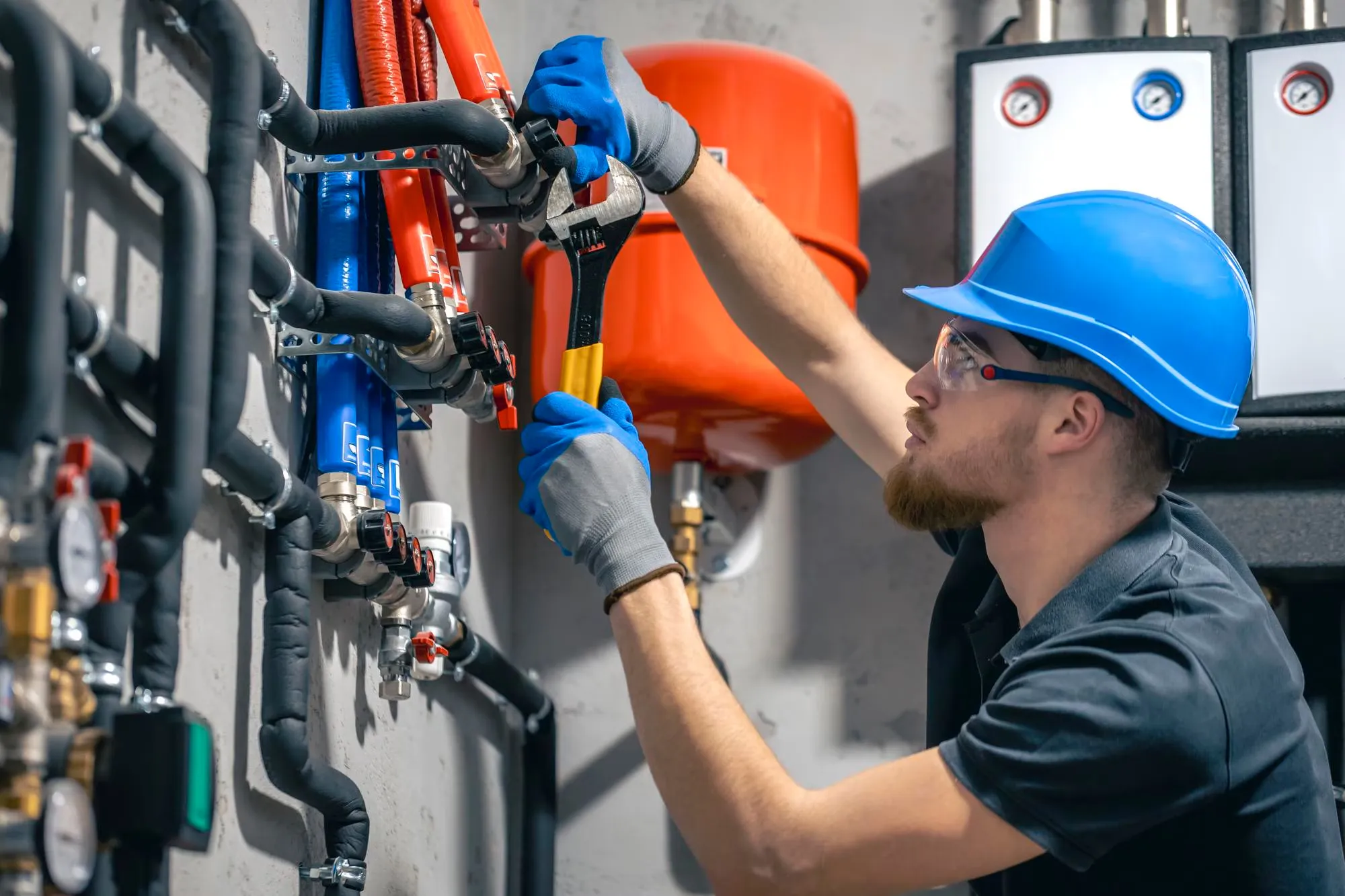
When the weather starts to get colder, you want your heating system to work without issues. Many homeowners wait until something goes wrong before they schedule a service visit. However, regular maintenance gives you the chance to catch small issues before they become expensive repairs. If you are planning a heating system tune-up in Martinsburg, knowing what happens during the visit can help you understand why this service is part of good home maintenance.
A professional heating system tune-up is more than a quick inspection. During the visit, a technician checks key parts, cleans key components, tests safety features, and ensures everything is working as it should. Every heating system is different, but most tune-ups follow the same process. Understanding these steps helps you know what to expect and why each one matters.
How a Professional Heating System Tune-Up Works
A heating system has many parts that work together to keep your home comfortable. If one part is not working properly, the whole system can be affected. During a professional tune-up, the technician follows a step-by-step process to inspect, clean, and test your equipment. Here are the main steps that are usually included.
Start With a Full System Inspection
Every tune-up begins with a complete inspection. Before making any adjustments, the technician inspects the heating system to assess its overall condition.
During this inspection, they look for loose wires, worn parts, rust, leaks, dirt buildup, and anything that could affect normal operation. They also inspect visible duct connections, gas lines if your system uses natural gas, and the area around the equipment.
This first step helps identify small concerns before they become larger problems during the heating season.
Clean the Parts That Affect Performance
Dust and dirt build up over time, even if you change your air filter regularly. Dirt on important components can make the heating system work harder than necessary.
A professional tune-up usually includes cleaning parts such as:
- Burners
- Flame sensor
- Blower assembly
- Ignition components
- Other accessible internal parts
Removing dirt helps air move more freely through the system and allows important parts to operate without unnecessary buildup.
Test Safety Features and System Controls
Safety is one of the most important reasons to schedule regular maintenance.
A technician checks the system's built-in safety controls to make sure they respond correctly if a problem occurs. For fuel-burning systems, they also inspect for signs of carbon monoxide concerns and verify that safety shut-off controls are operating properly.
These inspections help confirm that the system is working within normal operating conditions before heavy winter use begins.
Check Airflow Throughout the System
Good airflow allows warm air to move evenly through your home. If airflow becomes restricted, some rooms may feel colder while the heating system has to work longer.
During the inspection, the technician checks:
- Air filter condition
- Supply and return vents
- Blower operation
- Overall airflow
If the filter is dirty, it may be cleaned or replaced depending on the type of filter you use. Simple maintenance like this can improve airflow and reduce unnecessary strain on the equipment.
Inspect Electrical and Mechanical Components
Modern heating systems rely on electrical and mechanical parts working together. Even one loose connection or worn component can affect system performance.
During this step, the technician may inspect:
- Electrical connections
- Blower motor
- Capacitors
- Belts
- Bearings
- Wiring connections
- Moving parts
Any signs of wear are noted so you understand what may need attention before the issue becomes more serious.
Test the Thermostat
Your thermostat controls when the heating system starts and stops. If it is not reading the indoor temperature correctly, your home may not stay as comfortable as expected.
During a tune-up, the technician checks that the thermostat communicates properly with the heating equipment. They also verify that the heating cycle starts and stops at the correct temperatures.
Sometimes a small adjustment is all that is needed to improve system operation.
Complete a Final Performance Test
The last step is testing the heating system while it runs through a complete heating cycle.
The technician listens for unusual sounds, checks airflow, observes how the equipment starts and shuts down, and confirms that the system responds normally during operation.
If any concerns are found, they explain the issue and recommend the next steps. This gives you a clear understanding of your heating system's condition before colder weather arrives.
Conclusion
A professional heating system tune-up includes much more than a quick inspection. It is a detailed process that checks safety features, cleans important components, tests airflow, inspects electrical parts, verifies thermostat performance, and confirms that the entire system operates as expected.
When you understand what happens during a tune-up, you can make informed decisions about maintaining your heating system year-round. Regular maintenance helps you stay aware of your system's condition and gives you the opportunity to address small issues before they become larger concerns. If you want to learn more about heating system maintenance and seasonal HVAC care, Techstar Mechanical Services LLC offers educational resources that help homeowners better understand how their heating systems work.
Related Reading
Expert Insights: Navigating the Complex World of Home Improvement
Welcome to our in-depth exploration of Home Improvement. In an era defined by ra...
Why Home Improvement is Transforming the Global Industry Landscape
Welcome to our in-depth exploration of Home Improvement. In an era defined by ra...