What Happens During a Child Counselling Session?
27 Views
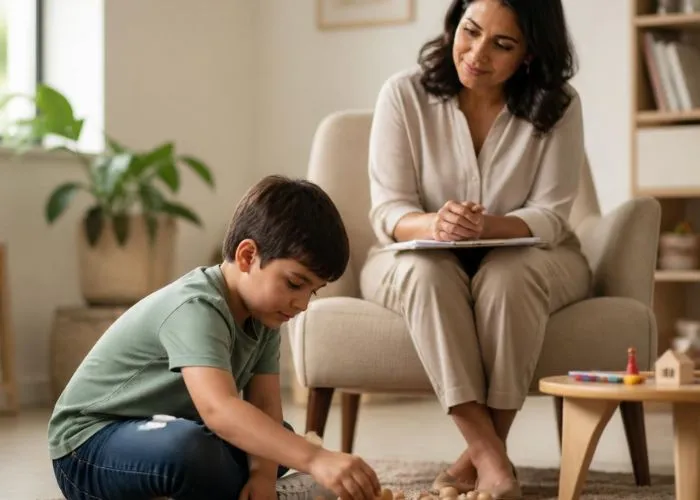
Children can experience many emotions as they grow. They may feel worried about school, struggle with friendships, become upset by changes at home, or find it hard to explain what is bothering them.
Counselling gives children a safe and supportive place to express these feelings. However, parents may wonder what actually happens during a child counselling session. Understanding the process can make the idea of counselling feel more comfortable for both parents and children.
The First Session Is About Getting Comfortable
The first counselling session is usually focused on helping the child feel safe and relaxed. A counsellor understands that meeting a new adult and talking about personal feelings can feel strange at first.
There is normally no pressure for a child to immediately explain everything that is happening. The counsellor may start with a simple conversation about school, hobbies, family, pets or things the child enjoys.
This gives the child time to become familiar with the counsellor and the counselling space.
Parents May Be Involved at the Beginning
Depending on the child's age and needs, a parent or caregiver may be involved in the first part of the process.
The counsellor may ask about:
- Changes in the child's behaviour
- Problems at school or home
- Family circumstances
- Friendships and social situations
- Recent changes or stressful events
- What the parent hopes counselling may help with
This information can help the counsellor better understand the child's situation.
As counselling continues, the level of parent involvement can vary. This will depend on the child's age, individual needs and the approach being used.
Children Do Not Always Have to Sit and Talk
Adults often imagine counselling as sitting in a chair and talking about feelings. Child counselling can look quite different.
Young children, in particular, may find it difficult to explain emotions using words. A counsellor may therefore use age-appropriate activities to help the child communicate.
These might include drawing, playing games, using toys, reading stories or doing simple creative activities.
For example, a child who finds it difficult to say they feel worried may be more comfortable drawing what worries them. Activities can make conversations feel less formal and help children express themselves naturally.
Talking About Feelings in an Easy Way
As the child becomes more comfortable, the counsellor may gently explore their thoughts and feelings.
A session may include conversations about situations that make the child feel sad, worried, angry or confused. The counsellor may also help the child understand how certain situations affect their emotions and behaviour.
When families consider counselling for children in Brisbane, it can be helpful to remember that the process is usually adapted to suit the child's age and ability to communicate.
Children are different, so sessions do not need to follow exactly the same format for everyone.
Learning Ways to Handle Difficult Emotions
Counselling is not only about talking about problems. It can also help children develop practical ways to manage difficult feelings and situations.
Understanding Emotions
Children may experience strong emotions without knowing what those emotions mean. Counselling can help them recognise and name feelings such as anger, sadness, fear, worry or frustration.
Understanding an emotion can be an important first step towards managing it.
Developing Coping Skills
A counsellor may introduce simple coping strategies that a child can use when they feel overwhelmed.
Depending on the child's needs, these may include breathing exercises, calming activities, talking to a trusted adult or finding healthy ways to express emotions.
Building Communication Skills
Some children struggle to explain what they need or how they feel.
Counselling may help them practise expressing themselves more clearly. Over time, this can make it easier for children to communicate with parents, teachers, siblings and friends.
How Long Does a Child Counselling Session Take?
The length of a session can vary depending on the child's age, needs and the type of counselling being provided.
Younger children may find it difficult to stay focused for long periods. Their sessions may therefore be structured differently from sessions for older children or teenagers.
The number of sessions needed can also vary. Some children may need support with a short-term issue, while others may benefit from counselling over a longer period.
There is no single timeline that works for every child.
What Happens After the Session?
After a counselling session, parents may naturally want to know everything that was discussed.
However, privacy can be an important part of helping a child feel comfortable speaking openly. The counsellor can explain how confidentiality works and when information may need to be shared with parents or caregivers.
Parents may still receive general guidance about how they can support their child at home, depending on the situation.
Helping Your Child Feel Comfortable About Counselling
How counselling is explained to a child can make a difference.
Try to use simple and positive language. Rather than making counselling sound like a punishment or something that happens because the child has done something wrong, explain that it is a place where they can talk, play, draw and get support with difficult feelings.
Allow your child to ask questions and give them time to become comfortable with the idea.
Final Thoughts
A child counselling session is designed to provide a supportive space where children can express feelings, understand emotions and develop useful coping skills. Sessions may involve conversation, play, drawing and other activities depending on the child's age and individual needs.
Every child's experience is different, and building trust can take time. For families wanting to explore professional counselling support for their child, Happy Peeps can provide further information about available services and the counselling process.