What Does a Home Inspection in Vancouver, WA Cover?
By Next Chapter Home Inspection
30 Views
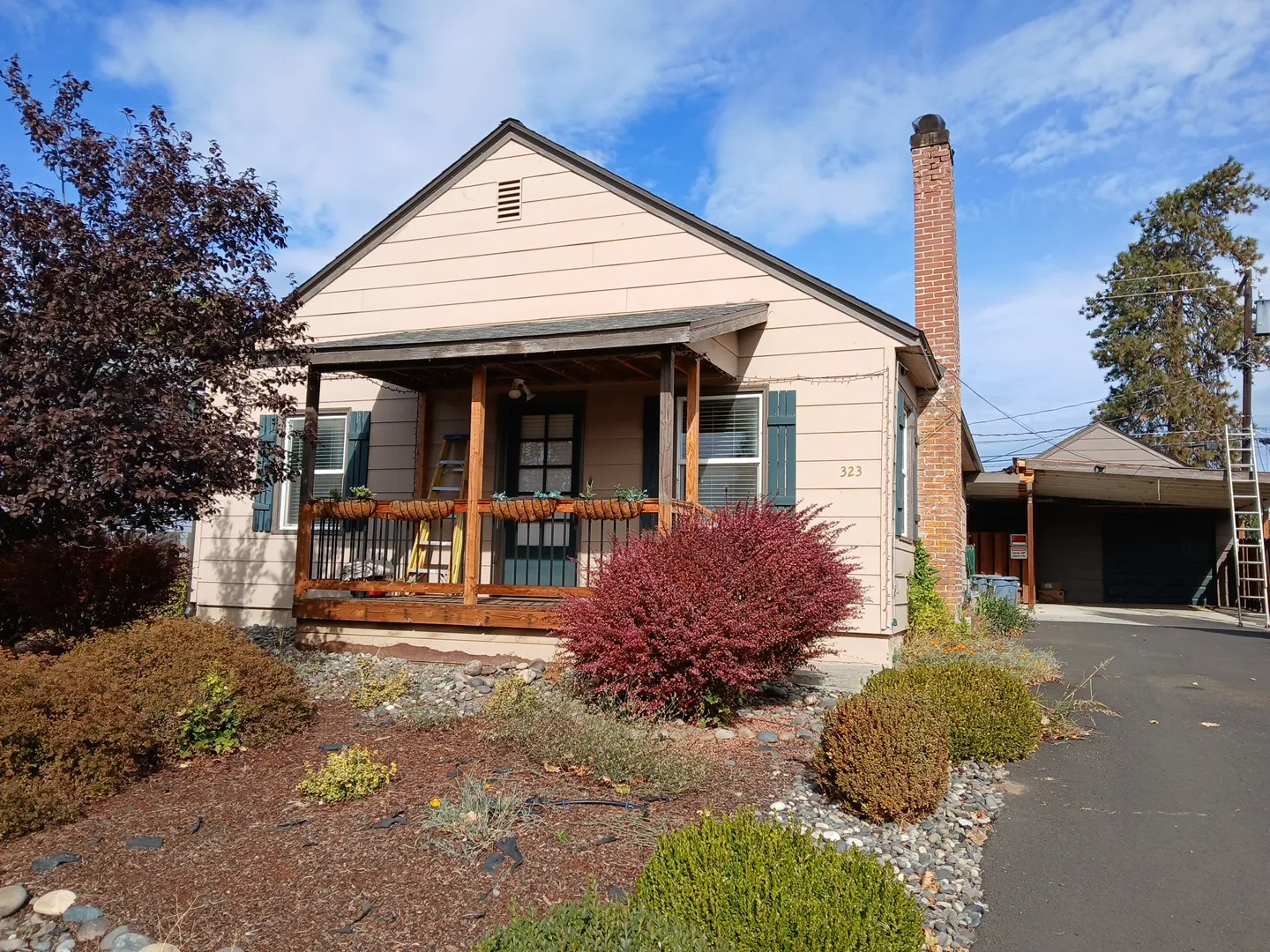
It’s easy to swoon over a house because of a trendy kitchen backsplash or a bright living room, but fancy staging doesn’t really tell what's lurking inside the breaker box or under the floorboards. Aging roof shingles, double-tapped breakers, or slow plumbing leaks can turn a dream move-in into an expensive headache real fast if you don't catch them before closing.
What you need is a professional walkthrough like a home inspection in Vancouver, WA, to have a detailed and transparent report of all major systems, which can prove very handy when negotiating repairs and budgeting for future maintenance.
At a Glance
● Exterior and Roof Checks: How do inspectors evaluate siding, drainage, roof lines, and foundations?
● Mechanical Systems: What gets tested across electrical panels, plumbing lines, and heating units?
● Interior and Moisture Scans: Why can checking crawlspaces, attics, and drywall prevent hidden rot?
What Is Included in a Home Inspection in Vancouver, WA?
A complete property inspection covers everything from the ridge on the roof to the dirt in the crawl space, if accessible. Inspectors review the operating hardware, take a look at the structural skeleton, emphasize potential safety hazards, and provide a clear picture of the health of the building.
Checks Up Shell & Foundation Outside
Exterior checks are a must, as Northwest weather takes the brunt on the outside of a house. Professionals for home inspection in Vancouver, WA, make sure to check out roof shingles, flashing, gutters, chimneys, etc., to see if there are any worn materials or open pathways where water can seep.
At the ground level, experts don’t miss a beat in checking siding, trim, window seals and yard sloping to ensure water drains away from foundation walls. Crawlspaces and accessible basements are all indicators of whether the floor joists, support posts, and concrete footings are still sound and free of rot and pests.
Mechanical and Safety Systems Testing
When it comes to the inside, home inspectors go by some routine operating checks on the main mechanical systems to make sure of their safety and performance:
● Electrical Service: They open the main breaker panel cover and inspect the wire sizes and grounding while checking for any dangerous DIY splices or old wiring.
● Plumbing Procedures: Experts open several taps at the same time to check the water pressure, drainage speed, pipe materials and safety valves of the water heater.
● Heating and Cooling: These inspectors also cycle HVAC equipment through normal heating and cooling modes to test airflow, thermostat response, and duct connections.
A review of these interlinked arrangements helps such experts scope out immediate safety hazards and note aging equipment that may need replacing in the near future.
Interior Spaces and Moisture Assessment
Pacific Northwest rain makes indoor moisture management a huge deal for local homes. Inspectors scan interior walls, windows, and ceilings for telltale water stains, using moisture meters around tubs and sinks to catch hidden plumbing leaks behind drywall.
They also climb up into the attic to make sure there’s enough insulation and proper ventilation, which stops moisture from building up on roof framing. Catching these hidden issues relies on hiring a professional for a thorough home inspection in Vancouver, WA.
Conclusion
You get an unbiased report on the actual condition of a property, and that takes guesswork out of real estate buying. Having detailed inspection findings helps one make their next move with complete confidence, whether they uncover routine maintenance items or major structural issues.
Furthermore, if you are building a custom home or buying a new build in the neighborhood, having professional home construction inspections in Goldendale is precisely what helps ensure that every step of the construction is up to par with safety and structural requirements.
Related Reading
Expert Insights: Navigating the Complex World of Home Improvement
Welcome to our in-depth exploration of Home Improvement. In an era defined by ra...
Why Home Improvement is Transforming the Global Industry Landscape
Welcome to our in-depth exploration of Home Improvement. In an era defined by ra...