What Chicago Exhibitors Should Know About Advance Warehouse and Direct-to-Show Shipping
9 Views
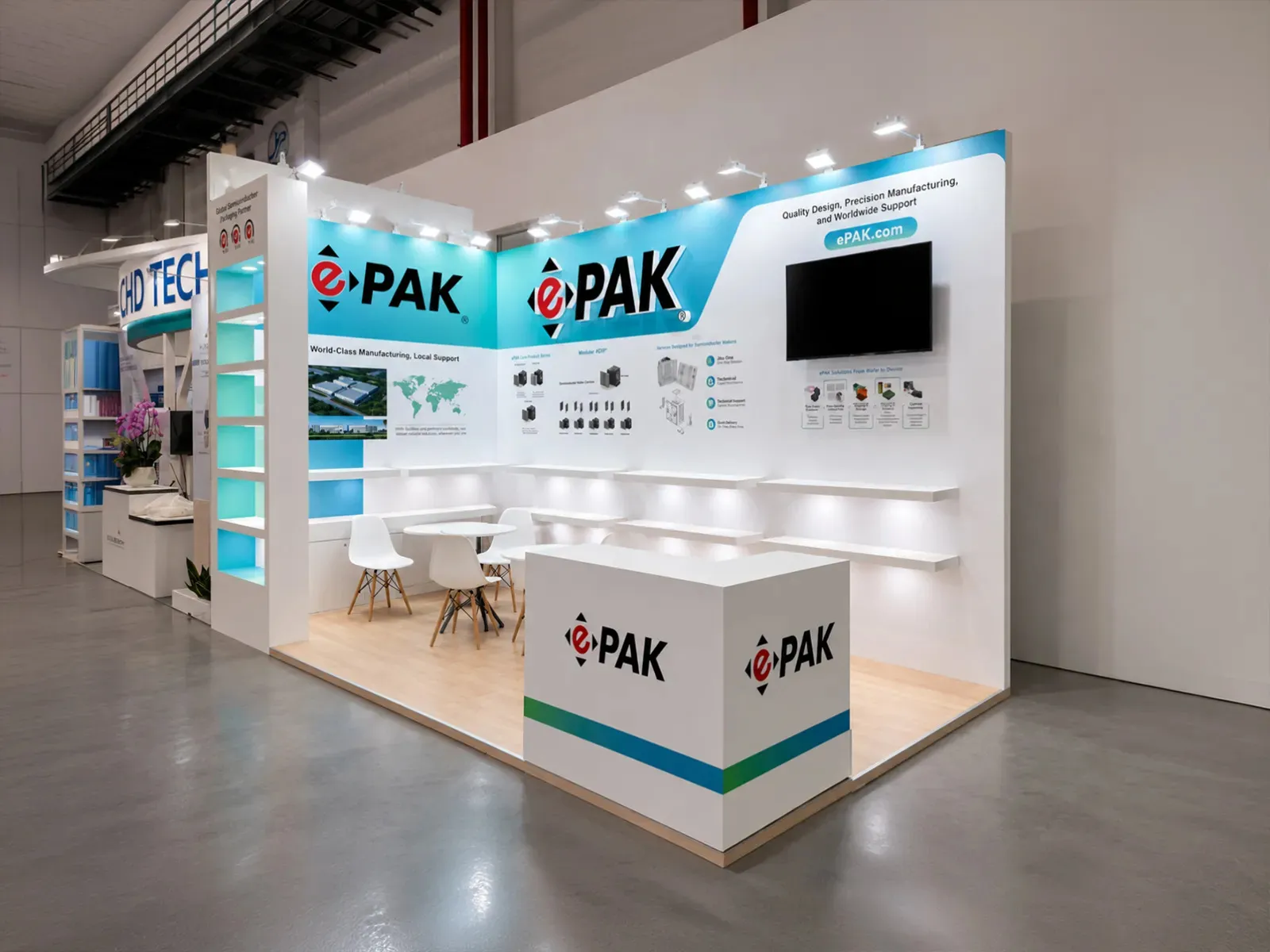
Getting your booth to the show floor is one of those jobs nobody notices when it goes well and everybody remembers when it doesn't. In Chicago, the stakes run a little higher, because many of the biggest events land at McCormick Place, the largest convention center in North America. Thousands of exhibitors and millions of attendees pass through every year, and the freight schedule leaves very little room for error.
Maybe you are working with a trade show booth design company in Chicago on a custom build. Maybe you are renting a turnkey display through trade show exhibit rentals in Chicago and simply need it to arrive on time. Either way, how you ship matters. This trade show marketing guide covers the two main shipping options, the costs people tend to overlook, and a timeline you can follow. It also works as a practical trade show exhibitor checklist for your team.
Every Show Plays by Its Own Rules
Open the Chicago convention center calendar and you will see how crowded the venue stays. Large B2B expos and consumer shows run back to back and share the same loading docks, so each event sets up its own freight program. That means neither advance warehouse nor direct-to-show shipping has a universal address, deadline, rate, or marshaling procedure. Everything comes from the exhibitor manual and the general service contractor (GSC) assigned to that show. Freeman, GES, and Fern are the names you will run into most often.
C2E2 2025 is a good example. Freeman was the exclusive material-handling provider, with specific warehouse windows, a marshaling yard process, and certified weight ticket requirements. If you reuse last year's address or assume one show works like another, you can end up with rejected freight, penalties, or a late installation. Always start with the current-year manual.
Advance Warehouse Shipping
With advance warehouse shipping, you send your freight to the show's designated off-site warehouse during a published receiving window, often several weeks before move-in. The GSC receives it, stores it, and delivers it to your booth space so it is already waiting when direct shipments begin unloading.
This option works well for long-distance lanes, international shipments, complex custom booths, and high-value graphics that cannot afford a transit delay. The biggest benefit is the scheduling buffer. A late truck or a bad weather day will not wreck your install, because your freight is already close by. The tradeoffs are real, though. Your production has to wrap up earlier, there is an extra handling step that adds a small amount of risk, and you may pay storage charges.
Direct-to-Show Shipping
Direct-to-show skips the warehouse entirely. Your carrier delivers straight to McCormick Place during the target move-in window assigned to your booth, checks in at the truck marshaling yard, and heads to the docks once called.
This approach suits local and short regional lanes, oversized items that exceed warehouse limits, and exhibitors whose production finishes right before the show. You avoid advance storage fees and one round of handling. The catch is that you have far less wiggle room. If your truck misses its window because of traffic or weather, you can face long queues, overtime handling fees, financial penalties, or a delayed installation.
How to Choose Between the Two
Think about distance, value, and how close your production schedule runs to move-in. A far-flung shipment with expensive graphics usually belongs in the advance warehouse. A short regional haul with bulky crates can make direct-to-show the cheaper and simpler choice. If you are not sure, ask your trade show booth builder Chicago exhibitors trust for a recommendation. Builders who work McCormick Place every month know which shows run smoothly and which ones bottleneck at the docks.
The same applies if you work with a trade show booth design company Chicago teams rely on for custom exhibits. Their install schedule is the anchor. Work backward from the date their crew expects to start, and pick the shipping method that gets your freight there with a cushion rather than at the last minute.
Drayage and Material Handling Explained
First-time exhibitors often confuse two separate costs. Freight transportation is what your trucking carrier charges to move crates from your facility to the GSC warehouse or the McCormick Place docks. Material handling, usually called drayage, is a different service provided only by the show's GSC. It covers moving your freight from the carrier's truck to your booth space, returning empty crates during the show, and bringing them back out at dismantle.
Material handling is typically priced per hundredweight, based on certified weight tickets. Several things drive the final number: whether you ship to the warehouse or the show site, whether you hit your delivery window, the type of carrier, freight classification, special handling needs, and overtime labor. A missing weight ticket or a late arrival can raise the bill quickly, so check the rate sheet in your manual before you book a carrier.
Experienced trade show booth builders in USA will tell you this is where budgets get blown. Exhibitors plan carefully for the booth itself, then get surprised by handling charges that were published months earlier. Read the rate sheet early, and ask the GSC to explain anything that is unclear.
Venue Rules You Need to Respect
McCormick Place has operating rules that every exhibitor has to follow, and they are not flexible. The venue does not accept advance freight at the site before your contracted move-in date. It does not accept Cash on Delivery shipments. Freight has to enter and leave through the designated loading dock areas.
Labor rules are just as firm. Teamsters handle unloading and moving freight from the docks to the booth space, while carpenters, electricians, and decorators handle installation and electrical connections. Small hand-carried items may be allowed under specific guidelines, but four-wheel dollies and larger material carts are tightly regulated. Planning around these rules from the start is much easier than trying to fix a problem on move-in morning.
A Practical Shipping Timeline
Good timing turns a stressful move-in into a manageable one. Here is how to pace the process.
About eight to twelve weeks out, get the official exhibitor manual for the current year. Write down your GSC, the warehouse address, the receiving window, the show-site target dates, the drayage rates, and the marshaling yard requirements. Put them all in one document so nobody on your team is working from outdated information.
Between six and eight weeks out, confirm your booth handover dates and your installation labor schedule. Sort your freight into time-sensitive pieces and replaceable pieces, so you know what must arrive early and what can travel later. Then work backward from your builder's installation schedule.
Four to six weeks out, compare transit times, production completion dates, and rates, and make your final call between advance warehouse and direct-to-show. Do not leave this decision to the last week, because carriers book up and prices climb as shows approach.
Before dispatch, label every piece with the event name, your company name, the booth number, the piece count, and the exact destination. Prepare your bills of lading and get certified weight tickets for each shipment. Sloppy labeling is one of the most common reasons freight gets delayed or misrouted.
While your freight is in transit, track it closely and stay in touch with both your carrier and your on-site booth supervisor. If something goes wrong, you want to hear about it while there is still time to fix it.
On move-in day, your on-site lead should coordinate freight arrival with your installation labor so crews are not standing around waiting for crates. Once a crate is empty, put the official empty sticker on it right away. Never store merchandise inside an empty container, because the crew may remove it with the rest.
During dismantle, have your outbound bills of lading ready before you start taking the booth apart. Confirm carrier pickup details in advance so your freight leaves on schedule. If it doesn't, the GSC may ship it on its own terms, which can mean forced-freight charges and warehousing fees.
Where Rentals Fit In
Not every exhibitor ships a booth from across the country. Many prefer to rent, and Chicago has plenty of options. Chicago exhibit rentals can save you freight costs entirely when the rental provider stores the display locally and installs it for you. Because the exhibit is already in town, your shipping risk drops to almost nothing, and you only need to coordinate branding, graphics, and install timing.
If you are weighing Chicago trade show booth rentals against buying a custom exhibit, consider how often you exhibit and how much your booth needs to change from show to show. Companies attending several events a year often find that a trade show booth rental in USA gives them flexibility without the storage and shipping headaches of owning a large display. Others prefer a permanent custom build and work with a trade show booth design company in Chicago to create something that fits their brand exactly.
Whichever route you take, ask your provider how they handle freight, who handles the GSC paperwork, and who is responsible if something arrives late. Clear answers up front will save you a lot of stress later.
Final Thoughts
Shipping to McCormick Place takes patience, accurate paperwork, and a firm grip on deadlines. Advance warehouse shipping gives you a cushion, while direct-to-show gives you simplicity and lower storage costs at the price of tighter timing. Neither is automatically better. The right choice depends on your distance, your production schedule, and how much risk your team is comfortable with.
Build your plan around the GSC's current manual, work backward from your install date, and bring in an experienced partner early. Whether that is a trade show booth builder Chicago exhibitors trust, a rental provider, or a full-service design team, the right help will keep your freight moving and your booth ready when the doors open.
Related Reading
Top 10 Hidden Secrets About Business & Finance You Need to Know
Welcome to our in-depth exploration of Business & Finance. In an era defined...
Why Business & Finance is Transforming the Global Industry Landscape
Welcome to our in-depth exploration of Business & Finance. In an era defined...