What Causes People to Seek Ear Reshaping Surgery?
By analpha girl
23 Views
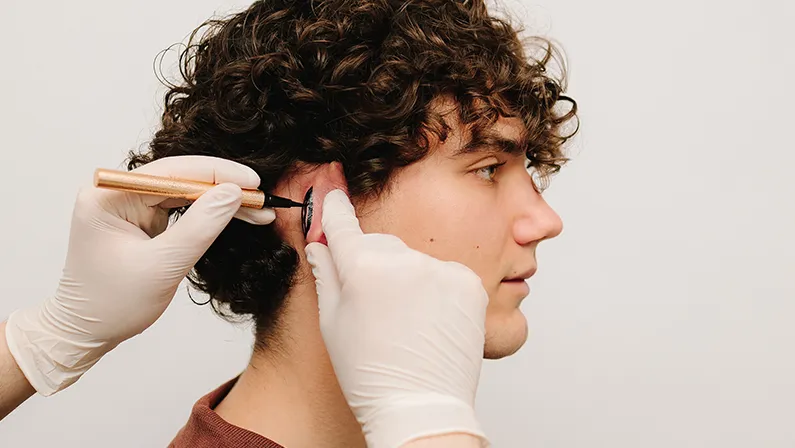
Ear appearance can influence how balanced and proportionate the face looks, which is why some people consider Ear Reshaping Surgery in Dubai.The decision is often connected to the shape, position, size, or structure of the ears rather than a single concern. For some individuals, the ears may naturally project outward, while others may feel that their ears appear unusually large, uneven, folded, or disproportionate. Understanding these motivations can help explain why ear reshaping has become a consideration for people seeking a more harmonious facial appearance.
Natural Ear Shape and Structure
The shape of the ears is largely influenced by genetics and development. Ear cartilage forms distinctive curves, folds, ridges, and contours as a person grows. When these features develop differently from the surrounding facial proportions, an individual may become more conscious of the appearance of the ears.
Common structural concerns include:
- Ears that extend noticeably away from the head
- Differences in ear size or shape
- Less-defined natural folds
- Uneven positioning between the ears
- Cartilage that creates an unusual contour
- Ear proportions that appear inconsistent with facial features
- These characteristics are generally unique to each individual and can become more noticeable as facial features mature.
Protruding Ears as a Common Reason
Protruding ears are among the most recognizable reasons people explore corrective ear surgery. In this situation, the ears may sit farther away from the sides of the head than the individual prefers.
The appearance can result from several structural characteristics, including an underdeveloped antihelical fold or a deeper conchal area. Sometimes, both features contribute to outward projection.
The concern is usually aesthetic rather than functional. However, the visibility of the ears can make some individuals feel uncomfortable with photographs, hairstyles, or social situations.
Uneven Ear Position and Asymmetry
Perfect facial symmetry is uncommon, and the ears can naturally differ slightly in position, angle, or contour. When the difference becomes more noticeable, an individual may seek reshaping to create a more balanced appearance.
Ear asymmetry may involve:
- One ear sitting higher than the other
- Different degrees of outward projection
- Variations in ear size
- Unequal definition of cartilage folds
- Differences in the angle between the ear and head
- A carefully planned procedure can focus on improving visual balance while maintaining a natural-looking ear structure.

Concerns About Ear Size
Some people feel that their ears appear too large in relation to their facial proportions. This perception can involve the overall height, width, or prominence of the ear.
The concern may become particularly noticeable when the ears contrast strongly with other facial features. Reshaping techniques can address selected structural areas when appropriate, helping create proportions that appear more harmonious.
The goal is generally not to make every ear look identical. Instead, the focus is on creating a shape that suits the individual's existing facial structure.
Changes in Ear Shape During Development
The ears continue to develop throughout childhood and adolescence. During this period, cartilage gradually becomes more defined, and differences in shape can become increasingly visible.
Children and teenagers may become particularly aware of prominent or unusual ear shapes because appearance can influence confidence and social experiences. In suitable cases, corrective surgery may be considered once the ears have developed sufficiently.
For adults, concerns may have remained for many years and become a personal reason for exploring surgical correction later in life.
Genetic Influences on Ear Appearance
Genetics plays an important role in determining ear anatomy. Family members may share similar ear characteristics, including projection, size, curvature, and cartilage structure.
Because inherited anatomy cannot be changed through ordinary lifestyle measures, some individuals consider surgical reshaping when they want a lasting structural adjustment.
A consultation typically examines the existing cartilage, skin, ear position, facial proportions, and the individual's aesthetic objectives before determining whether surgery is appropriate.
Emotional and Social Motivation
The reasons behind ear reshaping are not always purely physical. Some individuals may have experienced unwanted attention or teasing because of prominent ears during childhood. Those experiences can influence how a person perceives the ears later in life.
Others may simply prefer a different appearance and feel that changing the ear contour would improve overall facial confidence.
A healthy decision is generally based on realistic expectations and a personal desire for change rather than pressure from other people.
How Ear Reshaping Can Change Appearance
Ear reshaping surgery can modify selected parts of the ear structure to create a more balanced relationship between the ears and the head.
Depending on the individual's anatomy, the procedure may involve:
- Creating or refining the natural cartilage fold
- Reducing excessive cartilage prominence
- Adjusting the position of the ear closer to the head
- Modifying selected areas of ear cartilage
- Improving visible symmetry
- The exact approach depends on the structural concern being addressed. Not every person requires the same technique, and treatment planning is individualized.
Two Main Treatment Approaches
Ear reshaping can involve different surgical techniques depending on whether the primary concern involves ear projection or another structural feature.
Cartilage Reshaping
Cartilage reshaping focuses on modifying the framework responsible for the ear's contours. The cartilage can be carefully adjusted, folded, or repositioned to create a more defined and proportionate shape.
This approach is often considered when the ear lacks a natural fold or has a contour that creates excessive prominence.
Ear Position Correction
Position correction focuses more specifically on how far the ear extends from the head. The ear can be repositioned to reduce excessive projection while preserving an appropriate natural angle.
This approach may be particularly relevant for individuals whose primary concern is the visibility of the ears from the front or side.
What Happens During the Treatment Process?
The process begins with an assessment of the ear's anatomy and the individual's aesthetic concerns. Measurements and visual examination help determine which structural features contribute to the unwanted appearance.
The surgical plan may then identify the areas requiring reshaping or repositioning. Depending on the individual's circumstances, anesthesia is selected to support comfort during the procedure.
During surgery, carefully planned incisions provide access to the cartilage. The cartilage is then reshaped, repositioned, or adjusted according to the treatment plan. The tissues are closed in a manner intended to support the newly created contour.
The process is designed around anatomical precision rather than creating an artificial-looking result.
Benefits of Addressing Ear Shape Concerns
People who undergo corrective ear surgery may seek several appearance-related benefits. These can include:
- Improved ear-to-face proportions
- Reduced prominence of outward-projecting ears
- Greater visual symmetry
- More defined cartilage contours
- A balanced appearance from different viewing angles
- Increased confidence in personal appearance
- The most appropriate benefit depends on the individual's original concern and the treatment approach selected.
Who May Consider Ear Reshaping?
Suitable candidates are generally individuals who are physically healthy, have realistic expectations, and feel personally motivated to change a structural feature of the ears.
A person may consider the procedure when:
- Ear projection creates persistent aesthetic concern
- Ear asymmetry is noticeably distracting
- Ear proportions appear unbalanced
- Natural cartilage folds are less defined
- The individual wants a more harmonious facial appearance
- For younger individuals, physical development and emotional readiness are important considerations.
Why Personal Expectations Matter
Ear reshaping is a structural procedure, so expectations play an important role in treatment planning. The objective is usually refinement rather than creating mathematically perfect symmetry.
A realistic goal may involve making the ears less prominent, improving contour definition, or creating better proportional balance. Individual anatomy ultimately determines what can be achieved.
Frequently Asked Questions
What is the main reason people seek ear reshaping?
Prominent ears, uneven positioning, unusual cartilage contours, and concerns about ear proportions are common motivations. Some individuals also seek correction because the appearance has affected their confidence.
Can ear reshaping correct protruding ears?
Yes. Appropriate surgical techniques can reposition the ears closer to the head and modify cartilage structures that contribute to excessive projection.
Can both ears be treated during one procedure?
When both ears have aesthetic concerns, they can often be addressed during the same surgical session. Treatment planning depends on the specific anatomy of each ear.
Does the procedure change the entire ear?
Not necessarily. Treatment can focus on selected structural areas. The extent of reshaping depends on the individual's anatomy and desired outcome.
When can people consider ear reshaping?
The procedure may be considered after the ears have developed sufficiently, while adults can also seek correction at later stages of life.
Conclusion
People seek ear reshaping for many personal and anatomical reasons, ranging from protruding ears and asymmetry to concerns about cartilage contours and facial proportions. Ear Reshaping Surgery in Dubai can involve cartilage reshaping, ear repositioning, or a combination of techniques designed around individual anatomy. When expectations are realistic and the treatment plan is carefully tailored, structural refinement can help create a more balanced and natural-looking relationship between the ears and the face.