What Are the Warning Signs of a Brain Blood Clot?
By Isabella
3 Views
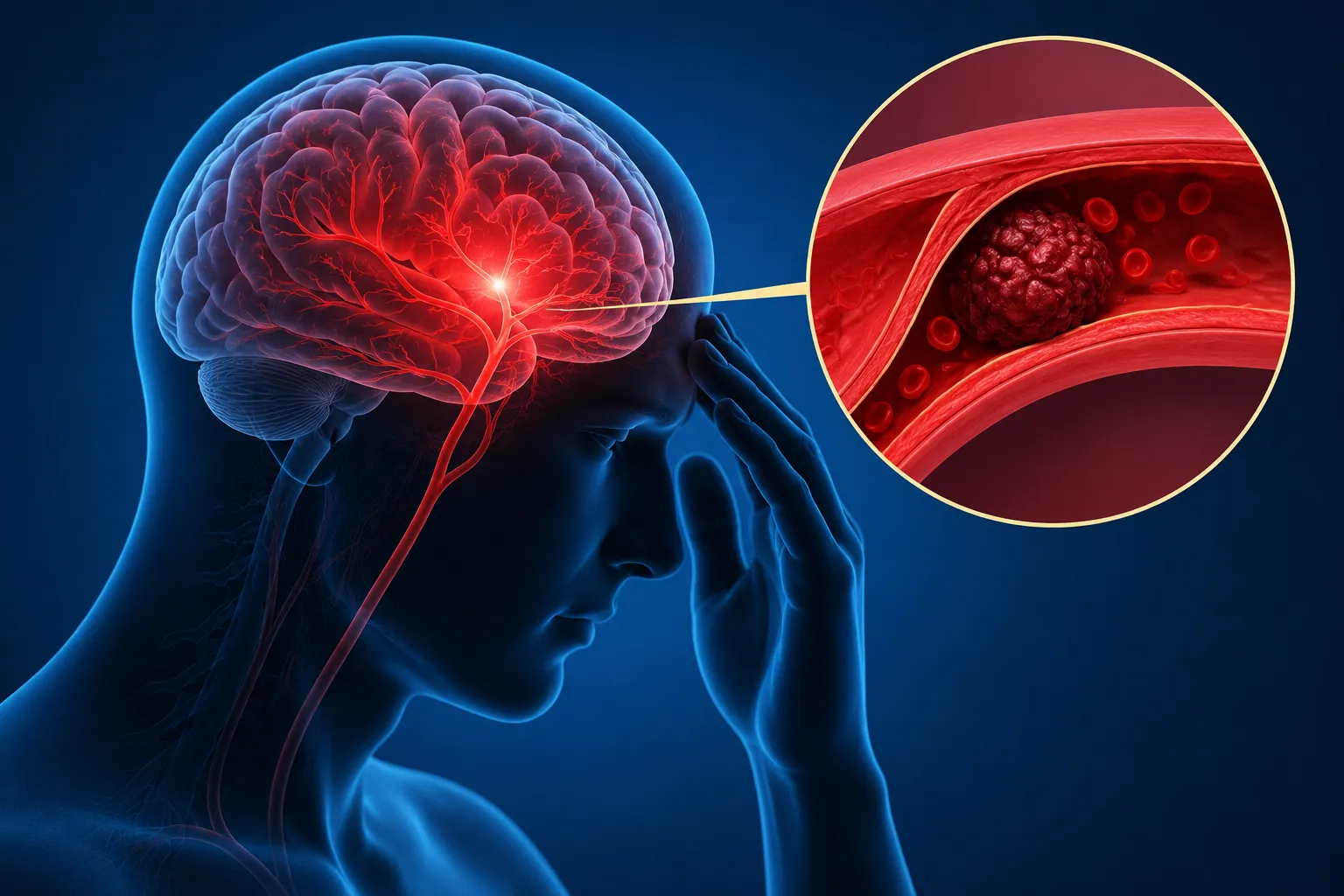
A brain blood clot is a medical emergency that requires immediate attention. When a clot blocks blood flow to part of the brain, brain cells begin to lose oxygen and nutrients within minutes. Quick recognition of the warning signs can make a significant difference in treatment and recovery.
Many people mistake the early symptoms for fatigue, stress, or a migraine. Knowing what to watch for can help you act quickly if you or someone around you experiences these symptoms.
What Is a Brain Blood Clot?
A brain blood clot occurs when a clot blocks an artery that supplies blood to the brain. This interruption in blood flow can lead to an ischemic stroke, the most common type of stroke.
Blood clots may develop in the brain itself or travel from another part of the body, such as the heart or neck arteries.
To better understand how strokes occur, you can learn more about ischemic stroke and its causes.
Common Warning Signs
Symptoms often appear suddenly and should never be ignored.
Watch for:
- Sudden weakness or numbness in the face, arm, or leg, especially on one side of the body
- Difficulty speaking or understanding speech
- Sudden confusion
- Blurred or double vision
- Loss of balance or coordination
- Trouble walking
- A severe headache with no obvious cause
Even if symptoms improve after a few minutes, emergency medical care is still necessary.
Remember the FAST Method
A simple way to recognize stroke symptoms is the FAST test.
LetterWhat It MeansFFace droopingAArm weaknessSSpeech difficultyTTime to call emergency services immediately
Acting quickly can improve the chances of receiving time sensitive treatments that may reduce brain damage.
Who Is at Higher Risk?
Several factors can increase the likelihood of developing a brain blood clot.
These include:
- High blood pressure
- Diabetes
- High cholesterol
- Smoking
- Heart disease
- Atrial fibrillation
- Obesity
- Physical inactivity
- Family history of stroke
Managing these risk factors may help lower your risk.
How Is a Brain Blood Clot Diagnosed?
Doctors begin with a neurological examination and review of your symptoms.
Depending on the situation, tests may include:
- CT scan
- MRI
- CT angiography
- Blood tests
- Heart rhythm evaluation
These tests help determine whether a blood clot is present and guide treatment decisions.
Why Early Treatment Matters
Every minute counts during a stroke. Restoring blood flow as quickly as possible can reduce brain damage and improve recovery.
Some patients may receive clot dissolving medication, while others may benefit from advanced procedures such as endovascular thrombectomy, which removes the clot from a blocked blood vessel in carefully selected cases.
The appropriate treatment depends on the type of stroke, the location of the clot, and how quickly medical care begins.
Key Takeaways
A brain blood clot is a medical emergency that should never be ignored. Sudden weakness, speech difficulty, vision changes, loss of balance, or a severe unexplained headache all require immediate medical attention.
Prompt diagnosis and treatment can improve outcomes and reduce the risk of long term disability. If you suspect someone is having a stroke, call emergency services immediately rather than waiting for symptoms to improve.
Frequently Asked Questions
Can a brain blood clot cause a headache?
Yes. Some people experience a sudden, severe headache, although many ischemic strokes occur without significant head pain.
Is every stroke caused by a blood clot?
No. Most strokes are caused by blood clots, but some occur because a blood vessel in the brain ruptures, causing bleeding.
Can symptoms disappear on their own?
Some symptoms may improve temporarily, but this does not mean the problem has resolved. Immediate medical evaluation is still essential.
What is the first sign of a brain blood clot?
Common early signs include sudden weakness on one side of the body, trouble speaking, facial drooping, vision changes, or difficulty walking. Any of these symptoms should be treated as a medical emergency.