What Are the Real Risks of Morpheus8 for Darker Skin?
8 Views
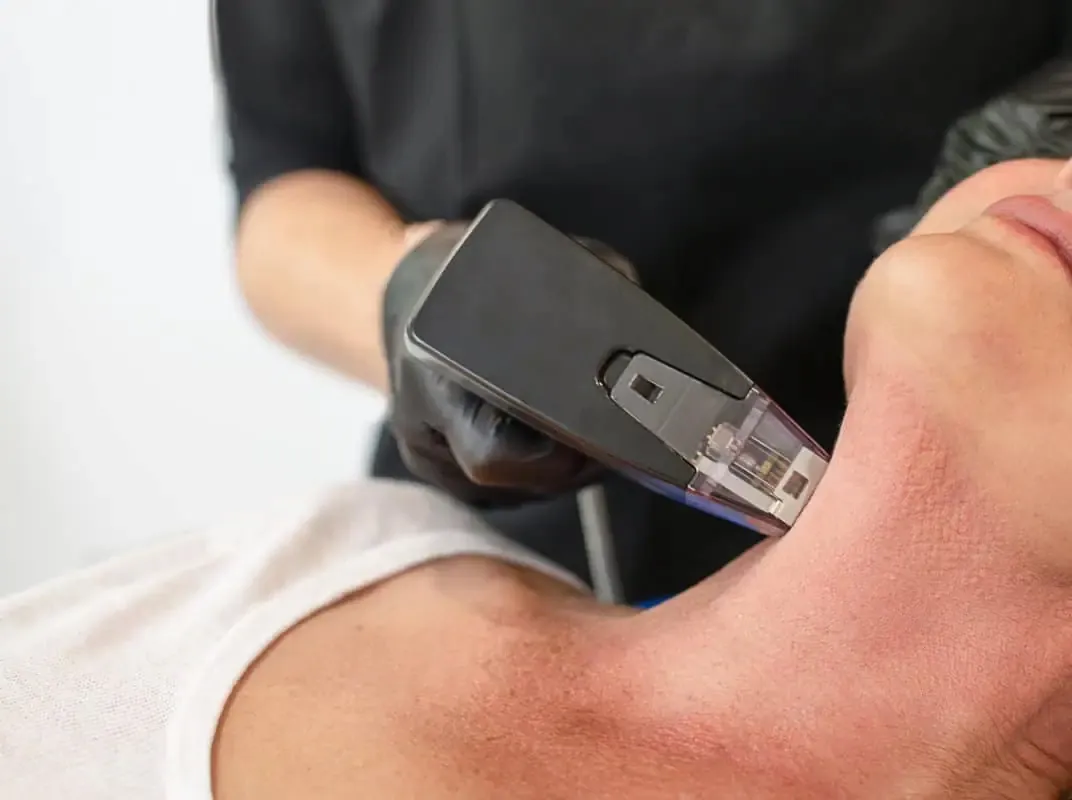
Morpheus8 has become a popular option for people who want firmer, smoother, and more youthful-looking skin without traditional surgery. However, for people with medium to deep skin tones, it is natural to ask whether the procedure carries additional risks. Morpheus8 Dubai is often sought for concerns such as wrinkles, acne scars, enlarged pores, and skin laxity, but darker skin requires careful assessment and appropriate treatment settings to reduce the chance of unwanted side effects.
The good news is that darker skin can often be treated successfully with radiofrequency microneedling. At the same time, the real risks should not be ignored. Understanding how Morpheus8 works, why pigmentation can occur, and what factors influence safety can help you make a more informed decision before treatment.
Why Darker Skin Requires Extra Consideration During Morpheus8
Darker skin contains more active melanin, the natural pigment responsible for skin color. Melanin also plays an important role in how the skin responds to inflammation, injury, and heat.
Morpheus8 combines microneedling with radiofrequency energy. Tiny needles create controlled micro-injuries while radiofrequency energy delivers heat into deeper layers of the skin. This process is designed to stimulate collagen remodeling and improve skin texture and firmness.
Although controlled injury is part of the treatment process, inflammation can sometimes trigger increased pigment production in darker skin. This is why proper technique and conservative treatment planning are particularly important.
The safety of a Morpheus8 in Dubai procedure for darker skin depends on factors such as skin tone, treatment depth, energy settings, skin sensitivity, and the condition being treated.
The Risk of Post-Inflammatory Hyperpigmentation
One of the most important concerns for darker skin is post-inflammatory hyperpigmentation, commonly known as PIH. This happens when the skin produces excess pigment after inflammation or injury.
Following Morpheus8, temporary redness and inflammation are expected. However, if the skin reacts strongly or becomes excessively irritated, some individuals may notice darker patches developing in the treated area.
The risk can be influenced by:
- Aggressive treatment settings
- Excessive heat exposure
- Treating already irritated skin
- Improper aftercare
- Sun exposure after the procedure
- A personal history of pigmentation changes
- Treating active inflammatory skin conditions
Post-inflammatory hyperpigmentation does not occur in every person with darker skin. Nevertheless, it is one of the main reasons why treatment parameters should be selected carefully rather than using the same approach for every skin type.
Radiofrequency microneedling for dark skin should always consider the individual's tendency toward pigmentation and inflammation.
Can Morpheus8 Cause Burns or Heat-Related Skin Damage?
Because Morpheus8 uses radiofrequency energy, heat is an important part of the treatment. When energy is delivered appropriately, the controlled heating process supports collagen stimulation.
However, excessive heat or inappropriate energy settings may increase the risk of thermal injury. This could lead to prolonged redness, crusting, blistering, or, in more serious situations, changes in skin color.
Darker skin does not automatically mean that burns will occur. The concern is that inflammation or thermal injury may be more likely to leave visible pigment changes afterward.
Potential signs of excessive skin irritation may include:
- Severe or worsening pain
- Persistent swelling
- Blistering
- Unusual crusting
- Dark or light patches that continue to develop
- Redness that lasts significantly longer than expected
Careful adjustment of treatment depth and radiofrequency intensity is essential. The goal is to create an effective collagen-stimulating response without causing unnecessary trauma to the skin.
Hypopigmentation: Can the Skin Become Lighter?
Hyperpigmentation receives more attention, but hypopigmentation can also be a concern. Hypopigmentation refers to areas of skin becoming lighter than the surrounding skin.
This can happen when pigment-producing cells are affected by significant inflammation or injury. Although this is generally considered less common, uneven lightening can be particularly noticeable on deeper skin tones.
The possibility of hypopigmentation is another reason to avoid overly aggressive treatment. Higher energy does not always mean better results.
A properly planned Morpheus8 Dubai treatment should focus on balancing treatment effectiveness with skin safety. Gradual improvement over multiple appropriately planned sessions may sometimes be preferable to attempting excessive correction in a single aggressive procedure.
Acne Scarring, Skin Texture, and the Risk of Worsening Inflammation
Many people consider Morpheus8 because of acne scars and uneven skin texture. Acne scar treatment for darker skin can be challenging because inflammation from acne itself may already trigger pigmentation.
Morpheus8 may be used as part of a broader approach to improving certain types of acne scars. However, treating skin with active inflammation requires careful consideration.
If the skin barrier is already compromised or active acne is causing significant irritation, additional controlled trauma may increase inflammation. This could potentially increase the likelihood of temporary pigmentation changes.
For this reason, skin preparation can be just as important as the procedure itself. The skin should be assessed for:
- Active inflammatory acne
- Existing dark marks
- Sensitivity or irritation
- Recent use of strong exfoliating products
- Previous pigmentation reactions
- Recent sun exposure
The condition of the skin before treatment can influence how it responds afterward. A treatment plan that works well for one person may not necessarily be appropriate for another person with a similar skin tone.
What Factors Can Increase Morpheus8 Risks for Darker Skin?
Skin tone is only one part of the safety equation. Several other factors can affect how the skin responds to radiofrequency microneedling.
Previous History of Pigmentation
People who frequently develop dark marks after acne, insect bites, cuts, or cosmetic procedures may be more prone to post-inflammatory pigmentation.
This does not necessarily mean that Morpheus8 is unsuitable. However, a history of pigmentation changes should be discussed during the consultation.
Treatment Settings and Depth
Needle depth and radiofrequency energy should be selected according to the treatment area and the individual's skin characteristics.
Different areas of the face and body have different skin thicknesses. Using a one-size-fits-all approach may increase unnecessary irritation.
Existing Skin Conditions
Active inflammation, infections, open wounds, or certain skin conditions may increase the chance of complications. Treating compromised skin can interfere with normal healing.
Sun Exposure
Ultraviolet exposure can stimulate melanin production. Skin that has recently experienced significant sun exposure may already be more reactive.
After the procedure, protecting the skin from excessive sun exposure can also be important for reducing the chance of pigmentation changes.
Inadequate Aftercare
Aftercare affects the healing process. Using harsh exfoliants, irritating products, or excessive heat too soon after treatment may prolong inflammation.
For darker skin, minimizing unnecessary irritation can be particularly important because prolonged inflammation may increase the risk of visible pigment changes.
How Can the Risks Be Reduced?
No cosmetic procedure is completely risk-free. However, several steps may help reduce the likelihood of complications when treating darker skin.
First, the skin should be evaluated individually. Fitzpatrick skin type can provide useful information, but it should not replace a detailed assessment of how a person's skin typically responds to inflammation.
A careful approach may include:
- Discussing any history of hyperpigmentation or scarring.
- Reviewing current skincare products and recent cosmetic procedures.
- Avoiding treatment on actively irritated or damaged skin when appropriate.
- Selecting conservative and appropriate treatment settings.
- Following recommended aftercare instructions closely.
- Protecting healing skin from unnecessary sun exposure.
- Reporting unusual or worsening reactions promptly.
Skin tightening for darker skin should never be approached as though every skin tone responds identically. Personalized planning can make a meaningful difference in both comfort and recovery.
Are Darker Skin Tones More Likely to Have Complications?
Darker skin tones are not automatically unsafe for Morpheus8. In fact, radiofrequency microneedling is often considered different from treatments that rely heavily on surface light or laser energy because radiofrequency energy is not dependent on melanin absorption in the same way.
However, the microneedling process and the resulting inflammation still matter. Any procedure that creates inflammation has the potential to trigger pigment changes in people who are prone to PIH.
Therefore, the most realistic answer is that darker skin may require more attention to treatment technique rather than automatically being excluded from the procedure.
People considering Morpheus8 Dubai should understand that safety depends on more than the device itself. Proper candidate selection, treatment settings, skin preparation, and aftercare all contribute to the overall experience.
What Is Normal After Morpheus8 and What May Need Attention?
Temporary redness, swelling, sensitivity, and small visible marks from the microneedles can occur after treatment. These reactions are generally part of the skin's short-term response to controlled microneedling.
However, not every prolonged reaction should be considered normal.
It may be important to seek professional guidance if you experience persistent or worsening symptoms such as severe pain, blistering, significant crusting, signs of infection, or unusual darkening or lightening of the skin.
Early attention to an unexpected skin reaction may help prevent additional irritation.
Avoid experimenting with strong skincare products when the skin is still recovering. The desire to correct redness or pigmentation quickly can sometimes lead people to use multiple active ingredients, which may further irritate the skin.
Conclusion: Understanding the Real Risk Before Treatment
The real risks of Morpheus8 for darker skin mainly relate to how the skin responds to inflammation and heat. Post-inflammatory hyperpigmentation, temporary pigment changes, prolonged irritation, and, less commonly, thermal injury are concerns that should be understood before proceeding.
Darker skin can often respond well when the treatment is carefully planned and performed with appropriate settings. The key is not simply choosing a popular procedure but ensuring that your individual skin characteristics, pigmentation history, and treatment goals are considered.
If you are considering Morpheus8 Dubai, ask detailed questions about how your skin type will be assessed and how treatment settings will be tailored to reduce unnecessary inflammation. A thoughtful and personalized approach can help you understand whether a Morpheus8 treatment is appropriate for your specific skin concerns and expectations.
Frequently Asked Questions
1. Is Morpheus8 safe for darker skin tones?
Morpheus8 can be suitable for many people with darker skin tones, but treatment should be carefully customized. Because darker skin may be more prone to post-inflammatory hyperpigmentation, appropriate energy settings, treatment depth, and aftercare are important.
2. Can Morpheus8 cause hyperpigmentation?
Yes, post-inflammatory hyperpigmentation is a potential risk, particularly for people who are prone to developing dark marks after inflammation or skin injury. Excessive irritation, heat, and sun exposure may increase this risk.
3. Can Morpheus8 permanently damage darker skin?
Permanent complications are not expected in a properly managed treatment, but excessive thermal injury or significant inflammation can potentially lead to longer-lasting pigment or texture changes. This is why careful treatment planning is important.
4. How can I reduce pigmentation risks after Morpheus8?
Follow your recommended aftercare, avoid unnecessary irritation, protect the skin from excessive sun exposure, and avoid using harsh skincare products during the recovery period unless specifically advised.