What Are the Biggest Mistakes to Avoid When Choosing Retail Displays?
83 Views
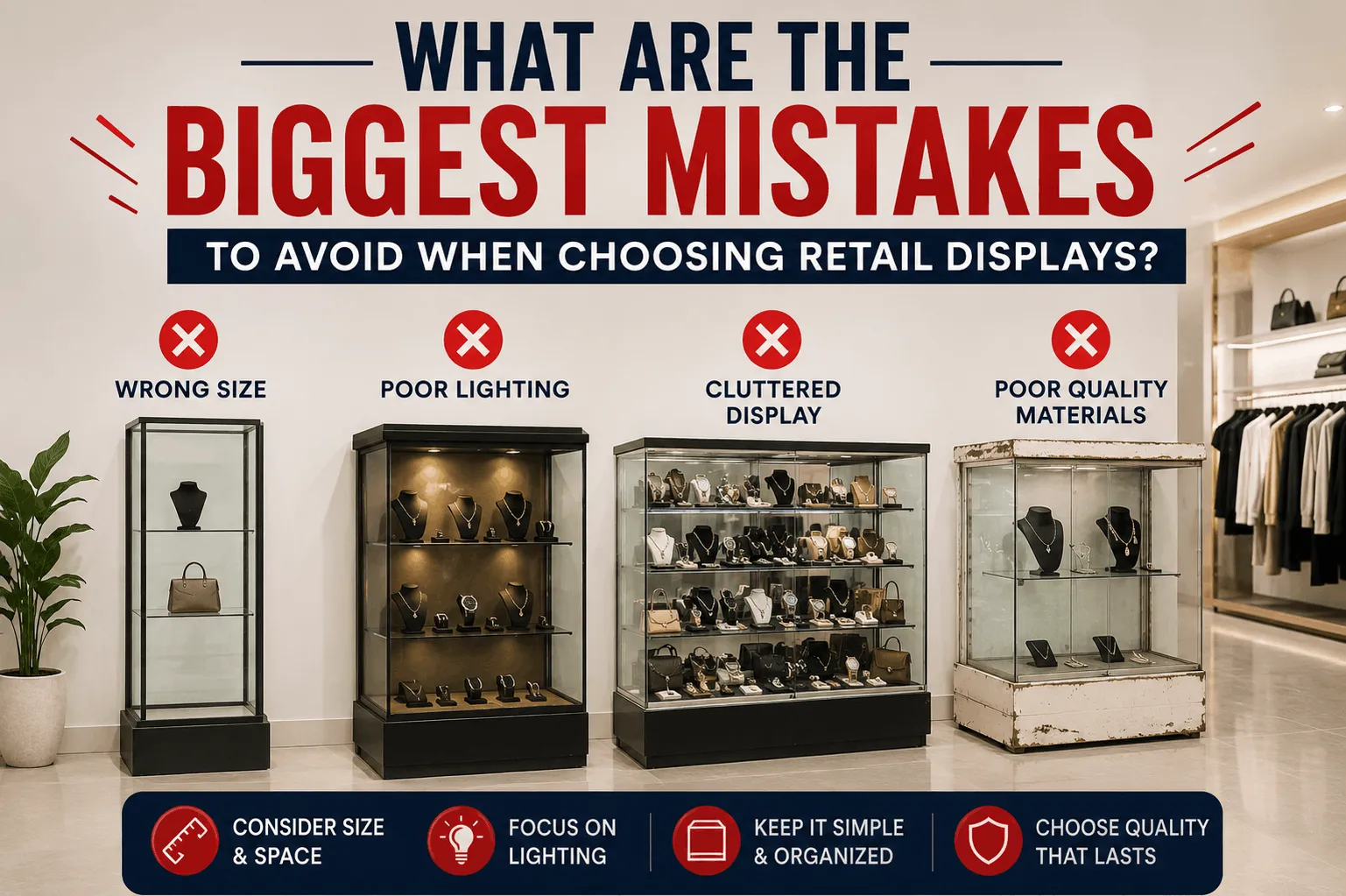
How products are shown around a store can really shape how people see the whole business. When retail displays are planned with care, they do more than just showcase merchandise—they create a welcoming shopping vibe, reinforce brand identity, and drive customers toward purchase decisions. Whether you’re running a boutique, jewellery store, pharmacy, convenience shop, or even a showroom, picking the right display solutions is a real investment, one that ends up affecting customer satisfaction and sales.
But many retailers still end up making costly mistakes when choosing their display fixtures. Sometimes it starts with ignoring the store layout; other times it’s picking the wrong glass display cabinets, and then the product just doesn’t stand out as it should. In the end, that hurts product visibility, and the overall customer experience can feel a bit off.
So this guide goes through the most common missteps to avoid, and it gives practical advice so you can choose retail displays that actually match your business goals.
1. Choosing Displays Without Considering Your Store Layout
One of the most common mistakes retailers make is buying display fixtures before planning their shop layout.
Every retail display has its own traffic flow; it happens on its own, depending on where people walk. Displays should steer shoppers naturally, not lock them into paths.
Before you put money into retail displays, pause a bit and ask yourself:
● Customer movement across the shop floor
● The product groups and where they’ll actually sit
● Access for staff plus customers, not only one side
● Emergency exits, along with aisle widths
A layout that’s been well plotted makes the displays work with the shopping journey instead of cutting in and interrupting it.
2. Prioritising Price Over Quality
Budget matters, sure, but picking the cheapest display fixtures usually turns into bigger expenses later.
Low-quality materials can get scratched quickly, start acting unstable, or end up needing constant replacement. On the other hand, putting money into durable glass display cabinets made with quality glass and solid framing often delivers better long-term value.
Also, dependable display furniture improves customer confidence. A wobbly shelf or worn fixtures can quietly change perceptions, so people end up viewing your products and your business less favourably.
3. Ignoring Product Visibility
Even premium items struggle to sell if people cannot really see them clearly.
For effective retail displays, try to:
● Present products at eye level where possible
● Give enough room and space between the items
● Avoid too much visual clutter, because it can be overwhelming for people
● Add suitable lighting so the details show up properly
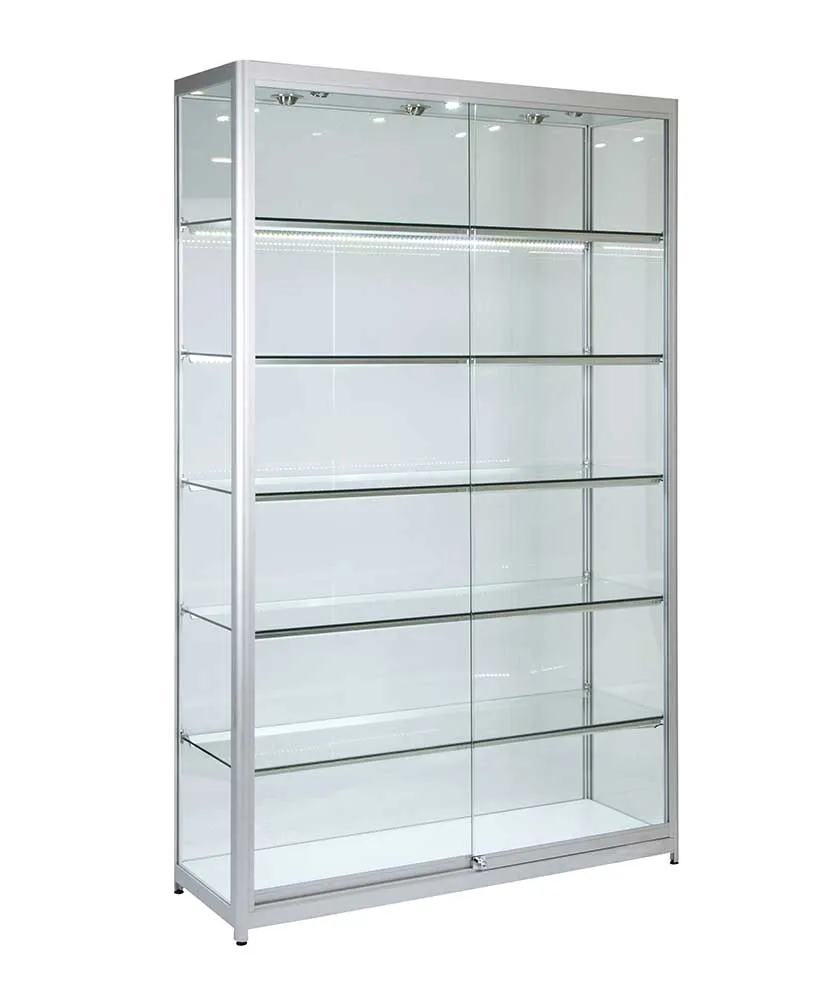
Since they protect without blocking the sight lines, glass cabinets are often really useful, so they work well for jewellery, electronics, cosmetics, and collectables.
4. Selecting the Wrong Display Counters
These counters do more than one job, like showing products and also helping with transactions, and surprisingly, display counters often become the main meeting spot between staff and customers.
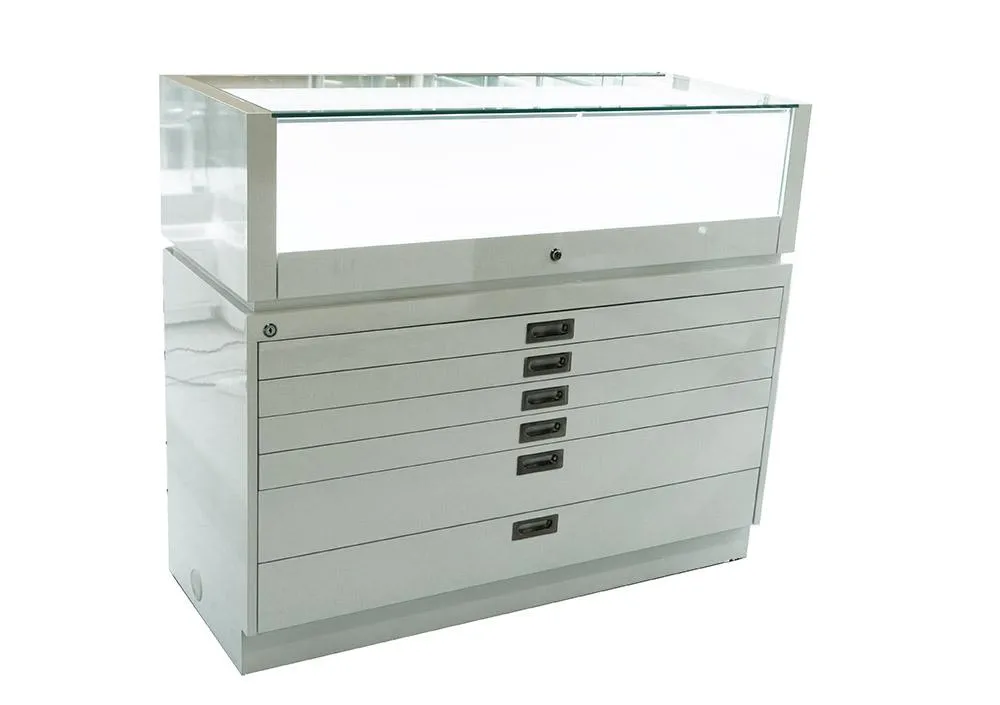
If you pick the wrong one, it can lower workflow efficiency, and it also tends to cause unnecessary, annoying frustration for everyone involved.
Think about:
● Counter height for comfortable customer conversations
● Sufficient storage for daily necessities
● Durable materials that can handle regular, frequent use
● Enough display space for impulse buys
A good display counter should blend practical needs with attractive presentation, rather than just looking nice.
5. Wasting Valuable Corner Space
Corners are often ignored in retail design, most of the time. Instead of letting these small nooks stay empty, retailers can place corner cabinets there so they can show more things, while the rest of the floor plan still looks tidy.
Corner cabinets also fit really well for the following:
● Promotional products
● Seasonal collections
● Gift items
● Decorative displays
Making use of the available space in this way can improve merchandising without making the shop feel cramped or weirdly loud and busy.
6. Overcrowding Retail Displays
A lot of retailers believe that if they display more items, sales will come in automatically. But usually, crowded displays push customers to the edges, and they end up feeling overloaded.
When the display appears chaotic, it becomes harder to focus on a single product, and the merchandise starts feeling less valuable.
So, instead of that, try the following:
● Switching featured products regularly
● Leaving breathing room around premium items
● Putting similar products together
● Keeping everything neat and organised
A clean and well-balanced setup makes people more willing to browse longer.
7. Choosing Style Without Considering Functionality
Those stylish fixtures can look really impressive, but they still have to do the job for the business.
Before buying glass cabinets or display counters, it’s worth pausing and asking:
● Are they simple to wipe down?
● Can staff reach the products pretty fast?
● Do they actually fit the items being shown?
● And will they stay useful when inventory starts changing?
The strongest retail fixtures mix good visuals with everyday usability, not just something that looks good for a photo.
8. Forgetting About Security
Security in retail can’t be treated like an afterthought, especially when the merchandise is high-value.
A lot of modern glass display cabinets offer the following:
● Lockable doors
● Impact-resistant safety glass
● Secure shelving
● Lighting that’s built in
● Heavy-duty locking systems
When you safeguard valuable stock, you tend to cut shrinkage while keeping that clean, attractive display.
9. Ignoring Future Growth
Retail requirements change. Like, quite often.
Companies that choose modular retail displays can shift things more smoothly when product ranges expand or when store layouts eventually evolve.
More flexible display setups mean fewer total overhauls, and in the long run, better value.
Frequently Asked Questions
What are the benefits of glass display cabinets?
Glass display cabinets to boost product visibility while still shielding the merchandise from dust, damage, and unauthorised handling – glass display cabinets are a great option. They’re great for highlighting valuable or premium items, and they add a more professional vibe to the shop overall.
Why are retail displays important?
How customers engage with products depends largely on the retail displays; if planned well, they make it easier to move around, invite deeper browsing, strengthen brand identity, and can even lead to higher sales, more or less.
How do display counters improve customer experience?
Quality display counters give a practical place for transactions; they are perfect for impulse buy products, and they help staff serve people more quickly.
Are corner cabinets suitable for small retail shops?
Yes, corner cabinets use up that overlooked area without eating into expensive floor space, so they’re especially handy for smaller retail spaces where every metre really counts.
How often should retail displays be updated?
It helps to refresh displays every few weeks, or whenever new products and seasonal promotions show up. This keeps shoppers interested and supports return visits.
Final Thoughts
Choosing the right retail displays is really more than looks, in my opinion. When you get the right mix of display cabinets with glass doors working together, you end up with a more organised space that also feels secure and somehow still visually inviting. It should reflect your brand and also help with customer engagement.
Overcrowding the displays, choosing cheaper quality just to save a bit, or ignoring those unused spaces that everyone walks past. Do that, and the store won’t only look professional; it can also elevate the overall shopping experience and support sustainable business growth.
Related Reading
Top 10 Hidden Secrets About Business & Finance You Need to Know
Welcome to our in-depth exploration of Business & Finance. In an era defined...
Why Business & Finance is Transforming the Global Industry Landscape
Welcome to our in-depth exploration of Business & Finance. In an era defined...