Weed Block Fabric: How It Works and Where It Actually Pays Off
By AmeliaSmith
71 Views
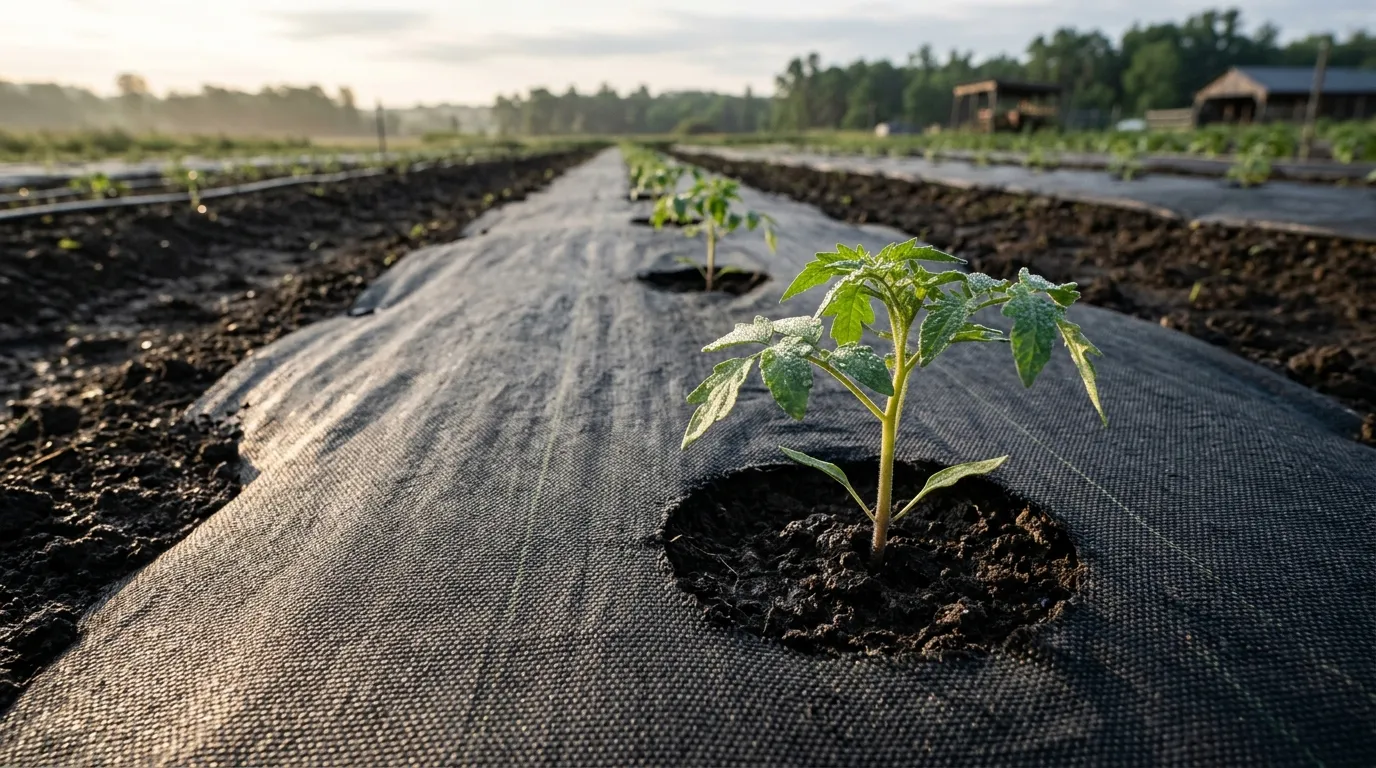
Anyone who has spent a weekend on their knees pulling weeds out of a vegetable patch, or watched a landscaping crew re-spray the same gravel bed for the third time this season, already knows the real cost of weeds. It is not just the plants themselves. It is the hours, the repeat visits, the herbicide bills, and the soil that gets a little more compacted every time someone walks the bed to deal with regrowth. Weed block fabric solves this problem in a simple, almost old-fashioned way: it just stops the sunlight, and without sunlight, weed seeds underneath never really get a chance to start.
It sounds basic because it is. But the simplicity is exactly why it remains one of the most reliable tools in agriculture, landscaping, and ground maintenance, decades after chemical alternatives became widely available.
How Weed Block Fabric Actually Works
The fabric is laid directly over soil, before planting or before a top layer of mulch, gravel, or decorative stone goes down. Once in place, it does two things at once. It blocks light from reaching the soil surface, which weed seeds need to germinate, and it physically stops most established weeds from pushing through. Meanwhile, water, air, and nutrients still pass through the material to whatever is growing above or around it, so the soil underneath stays alive and healthy rather than turning into a dead, suffocated layer the way plastic sheeting often does.
This is the detail that separates a proper weed block fabric from a plastic tarp or a roll of polythene. Plastic sheeting blocks everything, including the water and air your plants need. Fabric is selective: it lets the soil breathe while still doing its job against weeds.
The Real Benefits, Beyond Just “Fewer Weeds”
Most people reach for weed block fabric expecting one outcome and end up appreciating several more once it is installed:
- Far less manual labour. Once the fabric is down, the recurring cycle of hoeing, pulling, and spraying drops dramatically, freeing up time for actual gardening or farm work instead of maintenance.
- No reliance on herbicides. For organic growers, public parks, or anywhere chemical use is restricted or simply unwanted, fabric does the job without a single spray.
- Better moisture retention. By shading the soil surface, the fabric slows evaporation, which means less frequent watering and more consistent soil moisture for root systems.
- Cleaner, tidier finish. In landscaping, fabric under gravel or mulch keeps beds looking sharp far longer, since there is nothing pushing up through the surface to disturb the layout.
- Less soil compaction and erosion. Fewer people walking through beds to manage weeds means less foot traffic compacting the soil, and the fabric itself helps hold soil structure together on slopes or loose ground.
Where People Actually Use It
Walk through a working farm, a landscaped commercial property, or even a well-kept home garden, and weed block fabric shows up in more places than most people expect.
On the Farm
Vegetable growers lay fabric along planting rows, often with holes pre-cut or burned at set spacing so transplanting is fast and clean. Strawberry growers in particular rely on it heavily, since the fruit stays off the soil and clean, with far fewer rot issues than bare-ground planting. Orchard and vineyard operations use it along tree and vine rows to keep grass and broadleaf weeds from competing with root systems for water and nutrients.
In Landscaping and Gardens
Commercial landscapers and homeowners alike use it under decorative gravel, bark mulch, and stone pathways. Without fabric underneath, gravel paths slowly become weed beds themselves, since soil and organic debris settle between the stones over a season or two and give weed seeds a home. Fabric breaks that cycle before it starts.
Around Trees, Decking, and Pavers
Underneath decking, paving, and patio areas, fabric prevents weeds from forcing their way up between gaps, which over time can actually lift and crack hard surfaces. It is a small, often invisible layer doing a lot of structural work.
Nurseries and Greenhouses
In high-traffic growing environments, fabric keeps walkways and growing floors clear of weeds and resistant to the moss and algae that build up in constantly damp conditions, without interfering with irrigation runoff.
When a Heavy-Duty Fabric Actually Makes Sense
Not every job needs the toughest fabric on the shelf, and buying more strength than a project requires is just unnecessary cost. But there are situations where a lighter fabric simply will not survive, and choosing correctly the first time saves a replacement job later.
Gravel driveways and high-traffic pathways are the clearest example. Sharp aggregate constantly grinds against the fabric underneath, and a thin, light fabric punctures and tears within a season or two. A heavy duty weed control fabric, woven tightly and built to resist puncture, holds up under that kind of abuse for years rather than months.
The same logic applies to large commercial landscaping projects, public parks, and anywhere the fabric will see continuous foot or vehicle traffic, multi-year sun exposure, or repeated handling during installation across a large site. In these cases, the fabric needs enough tensile strength to survive being unrolled, stretched, stapled, and walked on by a crew without tearing at the edges, and enough UV resistance to avoid breaking down after a year or two in direct sun.
For these demanding jobs, sourcing a properly rated heavy duty weed control fabric is worth the slightly higher upfront cost. The alternative is pulling up a failed installation halfway through a project and starting over, which costs far more in labour and material than specifying correctly from the start.
A Few Practical Tips Before You Lay It
Installation is straightforward, but a handful of small mistakes are responsible for most weed block fabric failures.
- Clear the ground properly first. Existing weeds, roots, and debris should be removed before laying fabric, since the fabric stops new germination but will not kill what is already established underneath.
- Overlap the edges generously. Weeds are persistent about finding gaps, and a narrow overlap between fabric strips is often where the first regrowth shows up.
- Secure it well. Garden staples or pins every few feet, especially along edges and seams, keep the fabric from shifting in wind or during top-layer installation.
- Choose the right colour for the job. Black fabric blocks the most light and is standard for most applications; white or reflective fabric is preferred in greenhouses where bouncing light back onto plants is beneficial.
- Match the weight to the wear. Light fabric for flower beds and vegetable rows, heavier fabric for anything that will see foot traffic, vehicle weight, or sharp aggregate on top.
Why the Manufacturer Behind the Fabric Matters
Not all weed block fabric is built the same way, even when two rolls look identical on a shelf. Fabric quality comes down to how consistently it is woven, how well the UV stabiliser is mixed in, and whether the tensile strength holds up to the claims on the label. A fabric that degrades after one season in the sun, or tears the first time it is stretched across uneven ground, was never going to deliver the labour and cost savings it promised in the first place.
Fabric quality starts well before the loom, with the base material itself. Sourcing from an established pp woven fabric manufacturer with in-house weaving and UV treatment gives buyers more confidence that what is described on the datasheet is what actually arrives on site, and what will still be performing after a full growing season or a few years of outdoor exposure.
Related Reading
Top 10 Hidden Secrets About Business & Finance You Need to Know
Welcome to our in-depth exploration of Business & Finance. In an era defined...
Why Business & Finance is Transforming the Global Industry Landscape
Welcome to our in-depth exploration of Business & Finance. In an era defined...