Waterproofing Spray for Shoes: What It Is, How It Works, and Why You Need It
97 Views
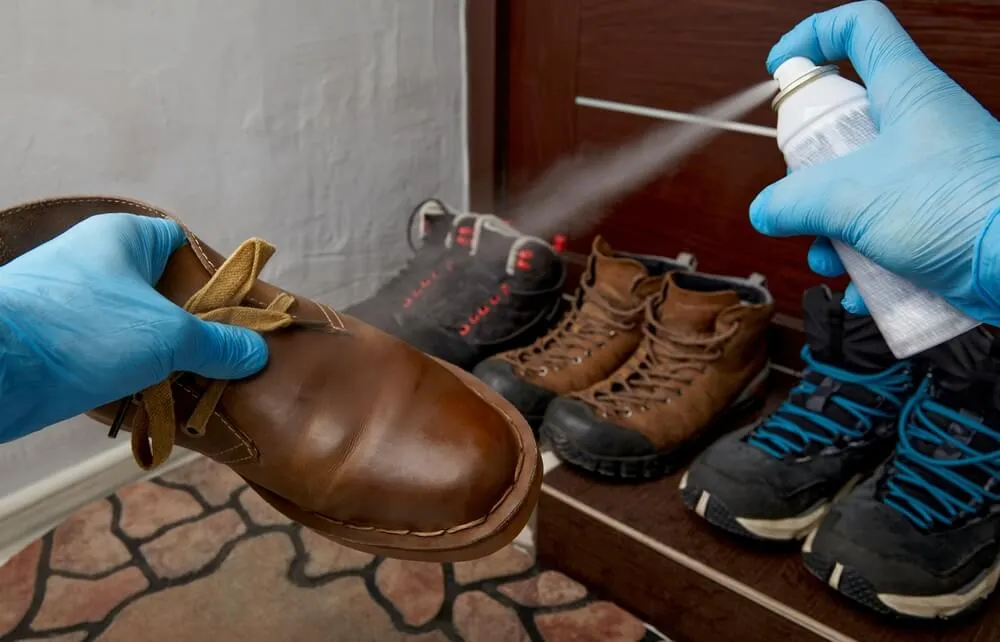
Canada's weather does not care about your shoes. Rain, slush, spring mud, summer puddles, and the salt-soaked slop of winter streets all combine to create one of the harshest environments footwear faces anywhere in the world. Yet most people wear their shoes completely unprotected, wondering why leather cracks, suede stains, and fabric shoes turn grey within a season.
A waterproofing spray is the simplest preventative measure available. Applied before the damage occurs, it creates an invisible barrier that repels water, resists stains, and extends the life of virtually any shoe — leather, suede, canvas, or synthetic. This guide covers exactly how it works, when to use it, and how to apply it correctly.
How Does Waterproofing Spray Work?
Modern waterproofing sprays use one of two primary technologies:
• Fluoropolymer-based sprays: Create a hydrophobic (water-hating) coating at the molecular level that causes water to bead and roll off the surface without penetrating the material.
• Silicone-based sprays: Fill the pores and fibres of the material to block water entry, though these can reduce breathability and are not recommended for suede or nubuck.
The best modern formulas — including PFOS and PFOA-free options — achieve effective waterproofing without compromising the breathability or appearance of the shoe. They do not darken suede, do not leave a visible coating, and do not alter the texture of the material they protect.
When water contacts a properly treated shoe, it cannot penetrate the surface. Instead, it beads up and rolls off — a process called the lotus effect — leaving the shoe dry underneath.
What Waterproofing Spray Protects Against
• Rain and puddles: The obvious one. Waterproofing keeps feet dry in wet conditions without requiring rubber boots for every rainy day.
• Road salt: Salt from winter roads is aggressively damaging to leather and suede. It draws moisture out of leather fibres, causes white tide marks, and — if left untreated — leads to cracking. A waterproofing barrier slows salt penetration dramatically.
• Mud and dirt: Hydrophobic surfaces do not let mud adhere as strongly, making cleanup far easier after walks in wet conditions.
• Stains and spills: Coffee, juice, and oil-based stains are far less damaging on treated surfaces, giving you time to wipe them off before they absorb.
• Seasonal moisture: Spring thaw and autumn rain are consistent challenges in most of Canada. Treated shoes handle these seasons without developing water stains or softening of the sole adhesive.
Which Materials Benefit Most From Waterproofing Spray?
Suede and Nubuck
These are the materials that benefit most from waterproofing spray. Suede's raised fibres absorb water instantly and the damage can be permanent. A waterproofing spray applied before the first wear is the single most important step in suede care. It does not affect the appearance or texture when applied correctly.
Leather
Full-grain and smooth leather is naturally more water-resistant than suede, but it is not waterproof. Water can still penetrate through the seams, dry out the leather fibres, and cause long-term cracking. Waterproofing spray adds an additional layer of protection, especially for boots and outdoor footwear.
Canvas and Fabric
Canvas sneakers and fabric shoes absorb water rapidly. A waterproofing spray significantly slows this absorption, keeping feet drier and preventing the staining that occurs when wet fabric dries with salt residue trapped inside.
Synthetic and Mesh
Technical footwear with mesh uppers or synthetic overlays benefits from waterproofing spray in situations where the DWR (Durable Water Repellent) coating applied at the factory has worn off through regular use and washing.
How to Apply Waterproofing Spray Correctly
Step 1 — Start With Clean, Dry Shoes
Waterproofing spray must be applied to a clean, dry surface to bond effectively. Clean the shoe first, allow it to dry completely, and only then apply the spray. Applying to dirty or damp shoes creates an uneven barrier that fails quickly.
Step 2 — Apply in a Well-Ventilated Area
Spray outdoors or in a well-ventilated space. Hold the can 20 to 30 cm from the shoe surface and apply in an even, sweeping motion, covering the entire upper including the seams, toe, and heel. Do not over-saturate any single area.
Step 3 — Allow to Dry Fully
Let the spray dry completely before wearing the shoes. Most formulas require 30 minutes to 1 hour of drying time, though 24 hours is ideal for the coating to fully cure. Drying time may vary with humidity and temperature.
Step 4 — Apply a Second Coat
For suede and nubuck, two coats are recommended. Apply the first coat, allow it to dry, then brush the nap back into place and apply a second coat for maximum protection.
Step 5 — Reapply Regularly
Waterproofing is not permanent. The coating degrades with wear, cleaning, and exposure. Reapply every 4 to 6 weeks during heavy wear seasons, or whenever you notice water no longer beading on the surface.
Walter's Waterproofing Solutions
Walter's offers two distinct waterproofing options designed for Canadian conditions. The Waterproofing Spray for Shoes & Suede — Eco Protect is a PFOS and PFOA-free 250ml non-aerosol spray that provides professional-grade protection without harsh chemicals. It works on leather, suede, nubuck, canvas, and fabric without altering appearance or texture.
For leather shoes and boots specifically, the Water Resistant Lotion with a built-in sponge applicator delivers targeted waterproofing with no mess and consistent, even coverage. It's particularly effective on dress shoes and leather boots facing wet Canadian winters.
Both products are available as part of the Water Repellent collection at Walter's — the same trusted Canadian brand that has protected footwear since 1893.
Waterproofing Spray vs. Waterproofing Lotion: Which to Choose?
Both achieve water resistance, but through different application methods that suit different situations:
• Spray: Faster, more even coverage, ideal for suede, nubuck, canvas, and fabric where direct contact with an applicator might damage the surface.
• Lotion: More precise, allows targeted application at seams and high-wear areas, ideal for smooth leather where deep penetration is beneficial.
For a complete waterproofing regimen — especially for mixed-material shoes — using both in combination provides the most thorough protection.
Final Thoughts
A waterproofing spray costs a few dollars and takes five minutes to apply. The protection it provides can prevent hundreds of dollars in damage to leather, suede, and fabric footwear. In Canada, where weather conditions shift dramatically between seasons, it's not optional — it's the responsible first step in any footwear care routine.
Protect your shoes before the next storm. Browse Walter's complete waterproofing and water repellent collection and find the right solution for every pair in your wardrobe.
Related Reading
Why Lifestyle & Culture is Transforming the Global Industry Landscape
Welcome to our in-depth exploration of Lifestyle & Culture. In an era define...
Expert Insights: Navigating the Complex World of Lifestyle & Culture
Welcome to our in-depth exploration of Lifestyle & Culture. In an era define...