Waterproof Cement for Home Construction: How to Choose the Right Cement for Plastering
12 Views
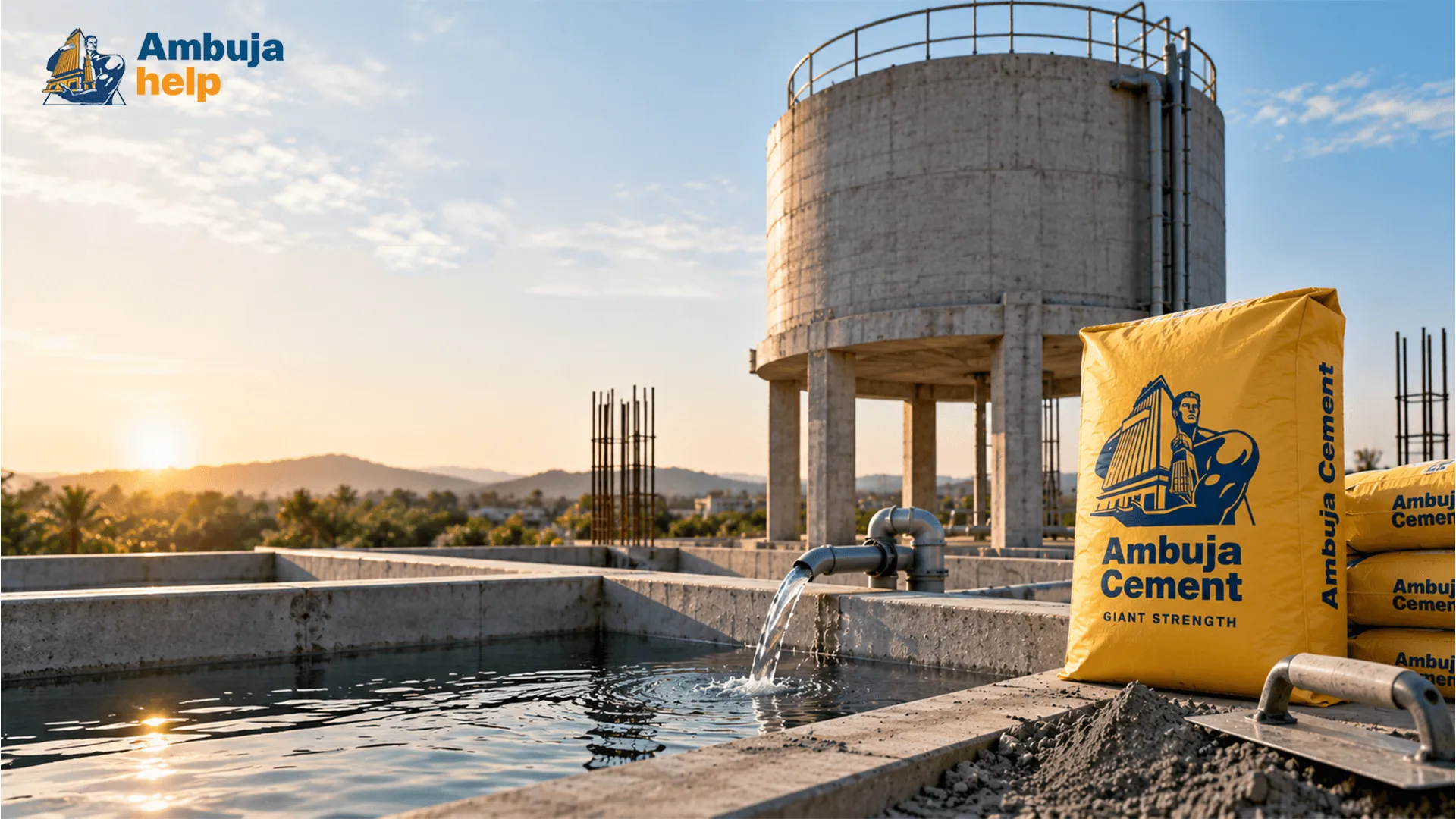
Building or renovating a home involves dozens of decisions, from the layout and materials to the finishing details. Among these, choosing the right cement can have a meaningful impact on the quality and durability of construction work.
This becomes particularly important when planning wall plastering or working in areas exposed to moisture. Homeowners researching waterproof cement, water-resistant cement, or the best cement for plastering often want a material that supports durable construction while helping address moisture-related concerns.
However, cement selection is only one part of the process. The quality of plastering also depends on surface preparation, mix proportions, curing, workmanship, environmental conditions, and proper construction practices.
Understanding these factors can help homeowners make more informed decisions and select products that suit their specific project requirements.
Why Cement Selection Matters for Plastering
Plastering creates a protective and finished surface over masonry and other building elements. It can improve the appearance of walls while also contributing to the durability of the surface. The cement used in the plastering mix therefore deserves careful consideration.
Several factors can influence the outcome of plastering work, including:
-
Surface preparation: The surface should be properly prepared before plaster application. Dust, loose material, and other contaminants can affect adhesion.
-
Mix proportions: The proportions of cement, sand, and water should be appropriate for the intended application.
-
Workability: A workable mix can make application easier and help achieve a more consistent finish.
-
Curing: Adequate curing is important for the development of the desired properties of cement-based plaster.
-
Application technique: Proper workmanship can significantly influence the quality and durability of plaster.
-
Environmental conditions: Local climate, humidity, temperature, and exposure to moisture should be considered.
-
Cement quality and storage: Cement should be sourced from reliable sellers and stored in conditions that protect it from moisture.
For this reason, choosing a suitable cement should be considered alongside the complete plastering process. The cement alone does not determine how effectively a wall will withstand water or moisture.
What Is Waterproof Cement?
The term waterproof cement is commonly used by homeowners looking for cement products that may be suitable for construction where moisture resistance is an important consideration. However, it is important to understand what the term means in the context of an entire building system.
Water resistance depends on more than the cement selected for a particular application. Factors such as mix design, workmanship, curing, surface preparation, drainage, joints, detailing, and dedicated waterproofing systems can all influence how a structure responds to moisture.
For example, a wall may experience moisture because of external rain exposure, plumbing issues, poor drainage, cracks, or inadequate treatment of a wet area. Simply selecting a particular cement cannot address every possible source of water ingress.
Homeowners should therefore look at the product's stated suitability and specifications while also considering the requirements of the construction application. Where specialised waterproofing is required, the appropriate waterproofing system should be planned separately.
Waterproof Cement vs. Water Resistant Cement: Is There a Difference?
The terms waterproof cement and water resistant cement are often used interchangeably in everyday conversations about construction. They generally reflect a homeowner's interest in reducing moisture-related concerns, but they should not be interpreted as a guarantee that a structure will be completely protected from water.
Water resistance in a building is influenced by the complete construction system. Even when a suitable cement is selected, the final result can depend on:
-
The quality of the raw materials
-
Correct mix proportions
-
Surface preparation
-
Plaster thickness and application
-
Proper curing
-
Crack control
-
Drainage and water flow
-
Construction detailing
-
Dedicated waterproofing in wet areas
-
Overall workmanship
This is why product specifications should always be checked before purchase. The intended application, local environmental conditions, and recommendations from a qualified engineer or contractor should also be considered.
In other words, homeowners should evaluate water-resistant cement as part of a broader moisture-management approach rather than viewing cement as a standalone waterproofing solution.
How to Choose the Best Cement for Plastering
There is no single product that can automatically be considered the best cement for plastering for every project. The appropriate choice depends on the application, construction conditions, product suitability, and professional recommendations.
A practical checklist can help homeowners compare their options.
1. Consider the Intended Application
First, identify where the cement will be used. Interior wall plastering, exterior walls, renovation work, and areas exposed to higher moisture levels may have different requirements.
2. Check Product Suitability
Read the manufacturer's product information and check whether the cement is suitable for the intended construction application. Product information can help homeowners understand how a material is intended to be used.
3. Look at Applicable Quality Standards
Quality standards provide an important reference when selecting construction materials. Check the relevant information on the product packaging and manufacturer documentation.
4. Consider Workability
Plaster needs to be applied evenly across the surface. A suitable mix should provide the workability required for the specific application and construction method.
5. Consider the Local Climate
Construction in a humid, rainy, coastal, or otherwise moisture-prone environment may require greater attention to moisture management. Local conditions should be considered when selecting materials and planning construction practices.
6. Evaluate Moisture Exposure
Consider whether the surface is exposed to rain, humidity, plumbing, or other sources of moisture. This can help determine whether additional moisture protection or waterproofing measures are required.
7. Check the Surface Condition
Existing walls, masonry, and renovation surfaces may have different preparation requirements. The condition of the surface should be assessed before plastering begins.
8. Follow Manufacturer Information
Product packaging and manufacturer documentation should be reviewed for storage, handling, application, and other relevant instructions.
9. Seek Professional Advice
For major construction or renovation projects, an engineer, architect, or experienced contractor can help determine which materials and methods are appropriate for the application.
Ambuja Kawach for Moisture-Related Construction Needs
Homeowners considering cement for moisture-conscious construction may come across products such as Ambuja Kawach while comparing available options. When evaluating a product like this, the focus should remain on its stated application, product information, and suitability for the specific construction requirement.
Rather than choosing a product based only on the word "waterproof" or "water resistant," homeowners should review the available product information and discuss the intended application with a qualified construction professional.
The same approach applies when comparing different cement products. Consider the application, local conditions, quality information, handling requirements, and professional recommendations before making a decision.
This helps ensure that cement selection forms part of a larger construction plan rather than being treated as the sole solution for moisture protection.
Ambuja Kawach Cement Price: What Can Affect the Cost?
Homeowners searching for Ambuja Kawach cement price may notice that the amount they are quoted can differ depending on where and how they purchase the product.
Cement prices can vary because of several factors, including:
-
Location
-
Local dealer pricing
-
Quantity purchased
-
Transportation costs
-
Market conditions
-
Product availability
-
Packaging or product variant
As a result, there may not be one universal price applicable to every location. Homeowners should compare the local selling price while also considering the product's suitability and specifications.
When comparing the Ambuja Kawach cement price, it is useful to look beyond the quoted amount. Product authenticity, seller reliability, storage conditions, and purchase documentation are also important considerations when buying construction materials.
How to Find Reliable Cement Dealers Near Me
Finding reliable sellers is an important part of purchasing construction materials. A homeowner searching for cement dealers near me should consider more than proximity or the lowest quoted price.
Here are some practical factors to check:
-
Seller reliability: Purchase from established and trustworthy sellers.
-
Product authenticity: Make sure the product is genuine and appropriately packaged.
-
Bag condition: Check that bags are intact and do not show signs of moisture damage.
-
Manufacturing date: Review the manufacturing information before purchasing.
-
Storage conditions: Cement should be stored appropriately to protect it from moisture.
-
Product availability: Confirm that the required product and quantity are available.
-
Invoice: Keep purchase documentation for reference.
-
Price comparison: Compare prices from reliable local sellers before making a large purchase.
For a major home project, building a dependable relationship with a local seller can also make material procurement easier throughout different construction stages.
Finding Cement Suppliers Near Me for a Home Construction Project
Home construction often requires cement across several stages, which makes supply consistency important. When comparing cement suppliers near me, homeowners should consider whether the supplier can provide the required product and quantity when needed.
Some factors worth evaluating include:
Supply Consistency
Construction schedules can be affected when essential materials are unavailable. A reliable supplier can make procurement easier during different phases of the project.
Delivery Options
For larger purchases, ask about delivery arrangements, timelines, and transportation requirements.
Product Availability
Confirm that the required cement product is available in the quantities needed for the project.
Storage Conditions
The condition in which cement is stored before delivery can matter. Avoid purchasing bags that show signs of exposure to moisture or damage.
Pricing Transparency
Ask for a clear quotation and understand whether transportation or other applicable charges are included.
Quantity Requirements
Estimate requirements with the help of your contractor or engineer so that purchases can be planned according to the construction schedule.
Supplier Reliability
A supplier who can consistently provide materials throughout the project may be more useful than a seller offering only a lower initial price.
Other Factors That Affect Water Resistance in a Home
Choosing suitable cement is only one part of managing moisture in a building. Several construction and design factors can influence water resistance.
Proper plastering technique can help create a more consistent surface. Adequate curing is also important for cement-based applications. Before plastering, surfaces should be appropriately prepared, and potential cracks or weak points should be addressed.
Other areas that deserve attention include:
-
Proper drainage around the building
-
Roof detailing
-
Balcony detailing
-
Bathroom and wet-area waterproofing
-
External wall treatment
-
Construction joints
-
Crack prevention
-
Plumbing and water-line installation
-
Appropriate surface preparation
These measures work together as part of a broader moisture-management strategy. A cement product should therefore be selected based on its intended application and considered alongside other construction measures.
Tips for Buying Cement for Plastering
Before purchasing cement for a home construction or renovation project, use this simple checklist:
-
Identify the intended application.
-
Check the product information and applicable standards.
-
Review the manufacturing date.
-
Inspect bags for moisture damage or deterioration.
-
Purchase from a reliable seller.
-
Store cement properly after purchase.
-
Compare local pricing from reliable sellers.
-
Follow the recommendations of the engineer or contractor.
These steps can make the purchasing process more systematic and help homeowners avoid selecting construction materials based only on price or marketing terminology.
Choosing Cement With the Bigger Construction Picture in Mind
Selecting the right cement for plastering requires more than searching for the lowest price or a product described as waterproof. Homeowners should consider the intended application, moisture exposure, local climate, surface condition, product information, storage, and workmanship.
Whether comparing waterproof cement, water-resistant cement, or options for general wall plastering, the objective should be to choose a suitable product and use it correctly as part of a complete construction approach.
Products such as Ambuja Kawach can be considered when evaluating cement options for moisture-related construction needs, while factors such as proper application, curing, waterproofing, drainage, and professional guidance remain essential to achieving durable results.
FAQs
1. What should homeowners look for when choosing cement for plastering?
Homeowners should consider the intended application, product suitability, applicable quality standards, workability, local climate, moisture exposure, surface condition, storage requirements, and professional recommendations.
2. Is waterproof cement suitable for all home construction applications?
A cement product should be selected according to its intended application and product specifications. Waterproofing requirements can vary by location and construction element, so specialised applications may require additional waterproofing systems and professional guidance.
3. What factors affect Ambuja Kawach cement price?
The Ambuja Kawach cement price can vary based on location, dealer, quantity purchased, transportation, market conditions, product availability, and packaging or product variant. Local prices should be checked before purchase.
4. How can I find reliable cement dealers near me?
Look for established sellers and check product authenticity, bag condition, manufacturing information, storage practices, pricing, availability, and purchase documentation. Comparing multiple reliable sellers can also help.
5. What is the difference between waterproof cement and water resistant cement?
The terms are commonly used to describe cement options considered for moisture-related construction needs. However, the overall water resistance of a building depends on several factors, including materials, mix design, workmanship, curing, drainage, detailing, and dedicated waterproofing systems.
Related Reading
Expert Insights: Navigating the Complex World of Home Improvement
Welcome to our in-depth exploration of Home Improvement. In an era defined by ra...
Why Home Improvement is Transforming the Global Industry Landscape
Welcome to our in-depth exploration of Home Improvement. In an era defined by ra...