Water Jetters: A Powerful Solution for Professional Drain Cleaning
30 Views
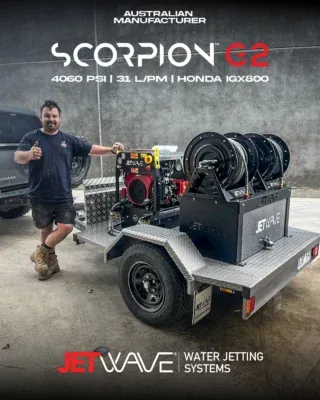
When drains become blocked with grease, sludge, roots, dirt, or other stubborn materials, ordinary cleaning methods may not be enough. Water jetters provide a practical and powerful solution by using high-pressure water to break through blockages and clean the inside of pipes. They are widely used by professional plumbers, drain cleaning specialists, maintenance teams, and industrial operators who need reliable equipment for demanding jobs.
Modern water jetting systems combine pressure, water flow, specialised hoses, and nozzles to deliver effective cleaning without relying on harsh chemical treatments. Choosing the right machine can improve productivity while helping professionals tackle recurring drainage problems more efficiently.
What Are Water Jetters?
Water jetters are specialised machines designed to clean and unblock pipes and drainage systems using pressurised water. Unlike traditional mechanical drain cleaning equipment, which physically cuts or breaks through an obstruction, a water jetter directs powerful streams of water through a flexible hose and nozzle.
The water pressure helps loosen debris from the walls of a pipe, while the flow carries the material away. Depending on the machine and nozzle configuration, water jetters can be used for different types of blockages and pipe-cleaning applications.
Professional water jetting equipment is available in different sizes and configurations. Smaller units may be suitable for routine plumbing applications, while larger petrol-powered machines can provide the pressure and flow needed for demanding commercial and industrial work.
How Do Water Jetters Work?
The basic operation of a water jetter is relatively straightforward. Water is supplied to a pump, which increases the pressure before sending it through a high-pressure hose. At the end of the hose, a specialised nozzle directs water jets in particular patterns.
Many drain-cleaning nozzles have rear-facing jets. These jets help propel the hose through the pipe while simultaneously washing debris back toward the drain opening. When the hose is retrieved, the water continues to scrub the pipe walls and flush loosened material away.
The effectiveness of a water jetter depends on more than pressure alone. Water flow rate, nozzle design, hose size, pipe condition, and the type of blockage all influence the final result.
Why Use Water Jetters for Drain Cleaning?
One of the biggest advantages of water jetting is its ability to clean more than just the immediate blockage. Mechanical drain cleaning equipment can be excellent for breaking through an obstruction, but water jetting can also help wash accumulated material from the pipe walls.
This makes water jetters useful for:
- Removing grease and fat buildup
- Clearing sludge and sediment
- Flushing dirt and debris
- Cleaning drainage pipes
- Removing some root-related obstructions
- Maintaining commercial drainage systems
- Preparing pipes for inspection or further maintenance
For businesses that regularly deal with blocked or dirty drains, having suitable water jetting equipment can help reduce downtime and improve the efficiency of maintenance work.
Water Pressure vs Water Flow
When choosing water jetters, it is important to understand the difference between pressure and flow.
Pressure, usually measured in PSI or bar, describes the force available at the machine. Higher pressure can provide greater cutting and cleaning power.
Flow rate, generally measured in litres per minute (L/min), describes how much water the machine can deliver. Strong flow helps transport loosened debris through the pipe.
A machine with extremely high pressure but insufficient flow may not provide the best solution for every drain-cleaning application. Professional users should consider both specifications based on the pipe diameter, blockage type, hose length, and intended workload.
Choosing the Right Water Jetter
There is no single water jetter that is perfect for every application. Before purchasing equipment, consider how frequently the machine will be used and the type of work it needs to perform.
For occasional or lighter work, a compact electric water jetter may provide an appropriate solution. For professional daily use, a petrol-powered unit can offer greater mobility and performance.
You should also consider:
- Required PSI or bar
- Water flow in L/min
- Engine or motor type
- Hose length and diameter
- Water tank capacity
- Nozzle options
- Machine portability
- Duty cycle
- Available servicing and spare parts
For example, Jetwave's Scorpion G2 water jetting range includes professional models designed for daily drain-cleaning applications. One Scorpion G2JX model is specified at 4060 PSI and 26 L/min and uses a petrol engine with an integrated 40-litre water bypass tank.
Portable Water Jetters for Plumbers
Portability can make a major difference for plumbers and drain technicians. Equipment that can be transported easily between jobs allows operators to respond quickly to blocked drains in residential, commercial, and industrial environments.
Compact water jetters can be particularly useful where access is restricted or where a large trailer-mounted system is unnecessary. However, portability should not come at the expense of performance. The machine still needs to provide suitable pressure, flow, hose reach, and reliability for the jobs being performed.
For example, smaller electric drain-cleaning equipment is available for semi-professional applications, while larger engine-powered systems are designed for more demanding professional work.
Water Jetting Hoses and Nozzles Matter
A water jetter is only as effective as the components used with it. The correct hose and nozzle can have a significant impact on cleaning performance.
Jetter hoses need to withstand high operating pressures while remaining flexible enough to travel through drainage pipes. Jetwave, for example, offers ViperFlex water jetting hoses in several lengths and sizes, with some models rated for pressures up to 5075 PSI.
Nozzles are equally important. Different nozzle designs can be selected for general cleaning, grease removal, flushing, penetrating blockages, or specialised applications. Selecting the wrong nozzle can reduce efficiency and may make a difficult job even harder.
Safety When Using Water Jetters
High-pressure water can cause serious injuries if equipment is used incorrectly. Operators should always follow the manufacturer's instructions and use appropriate personal protective equipment.
Before operating a water jetter, inspect the machine, hose, connections, nozzle, and water supply. Never point a high-pressure jet toward a person or use damaged equipment.
Proper training is also important. Operators should understand how to safely control the hose, select suitable nozzles, manage pressure, and shut down the machine. Manufacturer manuals should always be followed for inspection, operation, maintenance, and safety procedures. Jetwave's water jetter manuals specifically include sections covering water jetting safety, pre-operation inspection, hose setup, nozzle selection, operation, maintenance, and troubleshooting.
Maintaining Your Water Jetter
Regular maintenance helps protect your investment and keeps equipment performing reliably. Maintenance requirements vary according to the machine, but operators should regularly check important components such as the pump, hoses, fittings, engine or motor, oil levels, valves, and nozzles.
After use, clean the equipment and inspect the hose for damage or excessive wear. Storing the machine correctly can also help prevent unnecessary problems.
Professional users should follow the manufacturer's recommended maintenance schedule and use appropriate replacement parts. Routine servicing can help identify potential issues before they result in costly downtime.
Water Jetters for Professional Applications
Water jetting equipment is used across a wide range of professional applications. Plumbers may use water jetters to clear blocked drains, while commercial maintenance teams can use them to clean drainage systems and remove accumulated debris.
Their ability to combine high pressure with substantial water flow makes them particularly useful when a pipe needs both blockage removal and internal cleaning. The right machine can save time, reduce manual effort, and provide a repeatable approach to difficult drainage work.
For Australian businesses looking for professional cleaning and water jetting equipment, jetwave group provides a broad range of high-pressure cleaning and water jetting solutions, supported by technical knowledge, servicing, accessories, and spare parts. Jetwave Group has been designing, importing, manufacturing, and distributing cleaning equipment throughout Australia since 1992.
Conclusion
Water jetters are an effective tool for professionals who need to clear blockages and clean drainage pipes efficiently. By combining high-pressure water with the correct hose and nozzle, these machines can tackle grease, sludge, sediment, dirt, and other common drainage problems.
The best water jetter depends on the job. Pressure, water flow, portability, hose length, power source, duty cycle, and available accessories should all be considered before making a purchase. With the right equipment and safe operating practices, water jetting can become a valuable part of professional drain maintenance.
Related Reading
Why Lifestyle & Culture is Transforming the Global Industry Landscape
Welcome to our in-depth exploration of Lifestyle & Culture. In an era define...
Expert Insights: Navigating the Complex World of Lifestyle & Culture
Welcome to our in-depth exploration of Lifestyle & Culture. In an era define...