Waste Management Equipment: How to Choose the Right Tools for Efficient Waste Handling
6 Views
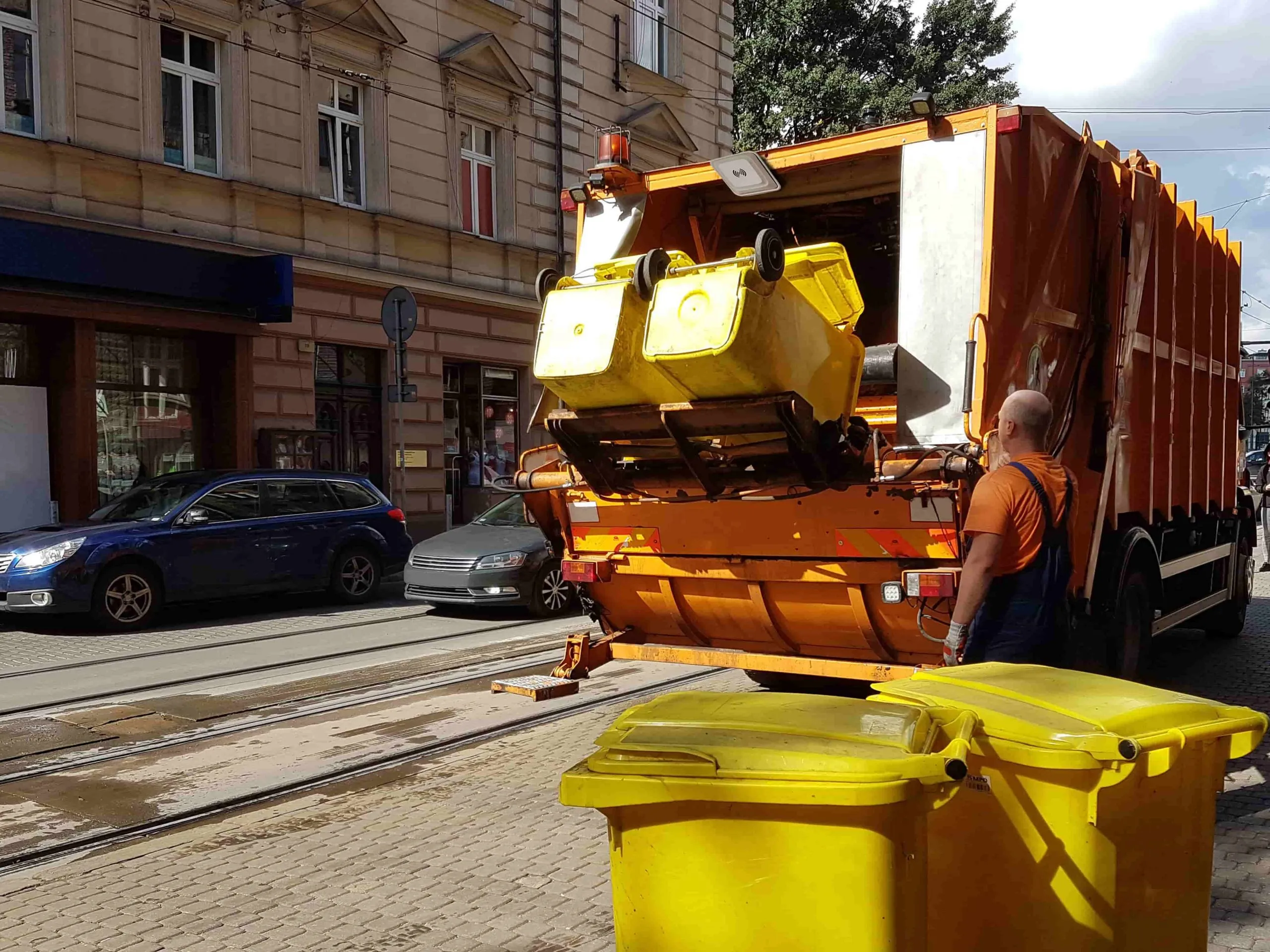
Managing waste effectively is more complicated than simply collecting trash and taking it away. Businesses, construction sites, municipalities, warehouses, manufacturing facilities, and recycling operations all generate different types and volumes of waste. Choosing appropriate waste management equipment can make a major difference in how safely, efficiently, and economically that waste is handled.
The right equipment helps organizations control labor costs, improve workplace safety, reduce unnecessary transportation, and make better use of available space. However, there is no single solution that works for every operation. A small commercial property may need compact containers and carts, while a construction company may require roll-off containers, compactors, and specialized handling equipment.
Understanding Waste Management Equipment
Waste management equipment includes the tools and machines used to collect, move, sort, process, compact, store, and dispose of waste. The equipment selected depends largely on the type of material being handled and what happens to it after collection.
Common categories include waste containers, dumpsters, compactors, balers, carts, bins, material-handling equipment, shredders, and sorting systems. Some are relatively simple, while others are powered machines designed for high-volume commercial or industrial applications.
For example, a restaurant producing large amounts of food waste may benefit from sealed containers and frequent collection, while a warehouse generating cardboard can reduce its waste volume substantially by using a cardboard baler.
The important point is to evaluate the entire waste stream rather than purchasing equipment based only on appearance, capacity, or initial price.
Match Equipment to the Waste Stream
Different materials create different handling requirements.
- General municipal waste: Containers, dumpsters, compactors, and collection carts are commonly used.
- Cardboard and paper: Balers can compress recyclable materials into manageable bundles.
- Construction debris: Roll-off containers and heavy-duty dumpsters are often more appropriate.
- Food waste: Leak-resistant, covered containers can improve sanitation and odor control.
- Recyclables: Separate bins or sorting systems can help prevent contamination.
- Industrial materials: Specialized containers and handling systems may be necessary depending on the material.
Understanding the waste stream first prevents organizations from investing in equipment that is unsuitable for the job.
A Step-by-Step Strategy for Selecting Equipment
Choosing waste-handling equipment becomes much easier when the decision follows a structured process.
1. Measure the Type and Volume of Waste
Start by documenting what your operation produces. Estimate daily or weekly quantities rather than relying on assumptions.
For instance, a distribution center might discover that cardboard represents 60% of its waste volume. That information could justify investing in a baler and dedicated recycling containers instead of adding more general-purpose dumpsters.
Also consider seasonal changes. Retailers, landscapers, and agricultural businesses can experience significant fluctuations in waste generation.
2. Examine Available Space
Equipment capacity is only useful if there is enough room to operate it safely.
Measure collection areas, loading zones, doorways, access roads, and turning spaces for collection vehicles. A large container may hold more material but become impractical if trucks cannot access it.
Compact equipment can sometimes be more effective in crowded facilities because it allows better use of limited space.
3. Consider Collection Frequency
Calculate how often waste is currently removed and whether that schedule makes sense.
If containers frequently overflow before pickup, increasing collection frequency or adding compaction may be appropriate. On the other hand, if containers are consistently collected only partially full, larger containers or optimized pickup schedules could reduce unnecessary trips.
The objective is not simply to increase capacity. It is to create a balanced system where storage, collection, and processing work together.
4. Evaluate Labor Requirements
Waste handling can consume considerable employee time when workers repeatedly move loose materials, empty small bins, or prepare recyclables manually.
Consider how many employees interact with the waste system and how much time they spend doing it. Equipment such as carts, compactors, conveyors, or balers may reduce repetitive manual handling.
For example, a warehouse employee who spends several hours each week breaking down and transporting cardboard could potentially save significant time when a centralized baling process is introduced.
5. Check Safety and Maintenance Needs
Safety should be considered before productivity.
Look for equipment with appropriate guards, emergency controls, stable construction, and straightforward operating procedures. Employees should receive training before operating powered machinery.
Maintenance requirements also matter. A machine that improves productivity but frequently sits idle because replacement parts are difficult to obtain may create more problems than it solves.
Common Mistakes and Challenges
One common mistake is buying equipment based solely on maximum capacity. Bigger is not automatically better. Oversized equipment can waste valuable space and may increase transportation or handling costs.
Another mistake is ignoring contamination. Recycling containers are ineffective when employees cannot easily distinguish between recyclable and non-recyclable materials. Clear labels, conveniently positioned bins, and simple instructions can improve sorting accuracy.
Poor equipment placement is another frequent problem. A recycling container located far from where employees generate cardboard is unlikely to be used consistently. Waste equipment should be positioned where the material is actually produced.
Organizations also sometimes overlook employee training. Even well-designed equipment can perform poorly when workers do not understand what belongs in each container or how machinery should be operated.
Finally, businesses may focus on purchase price rather than total operating cost. Energy consumption, maintenance, labor, collection frequency, repairs, and equipment lifespan all affect the real cost.
Practical Tips for Better Waste Handling
Begin with a waste audit before making major equipment decisions. Record material types, approximate quantities, container usage, overflow frequency, collection schedules, and problem areas for several weeks.
Use standardized container sizes where practical. Consistency makes collection procedures easier and reduces confusion among employees.
Keep recyclable materials separated at the point where they are generated. Sorting waste later is generally more difficult and can increase contamination.
For high-volume recyclable materials, investigate whether compaction or baling makes financial sense. Compressing materials can reduce storage requirements and potentially decrease the number of collection trips.
Create a preventive maintenance schedule for mechanical equipment. Checking hydraulic systems, electrical components, moving parts, safety devices, and other manufacturer-specified components can identify problems before they cause operational downtime.
It is also useful to track a few simple performance metrics. Measure waste volume, recycling rate, contamination, collection frequency, equipment downtime, and labor hours. These numbers provide a practical basis for deciding whether the current system is working.
For example, if a business introduces a baler and discovers that cardboard storage space falls by half while pickup frequency decreases, the organization has measurable evidence that the change improved its operation.
Making Waste Management More Efficient
Effective waste management is ultimately a systems problem. Containers, collection schedules, employee behavior, transportation, processing, and disposal all influence one another.
The best equipment is therefore not necessarily the newest or most powerful machine. It is the equipment that fits the material, volume, workspace, workforce, safety requirements, and disposal strategy of the operation.
Organizations should also reassess their equipment as circumstances change. A growing warehouse may outgrow its original containers, while a business that introduces a recycling program may need completely different collection infrastructure.
Conclusion
Selecting waste management equipment should begin with understanding the waste being produced, how much is generated, where it accumulates, and what happens after collection. From containers and carts to compactors and balers, each type of equipment serves a different purpose.
A practical approach combines waste auditing, space planning, labor analysis, safety considerations, maintenance planning, and ongoing performance measurement. When these factors are evaluated together, organizations can build a waste-handling system that is safer, more efficient, easier to manage, and better suited to long-term operational needs.