Wall Cracking From Seasonal Changes Is Usually Caused by Soil Movement
11 Views
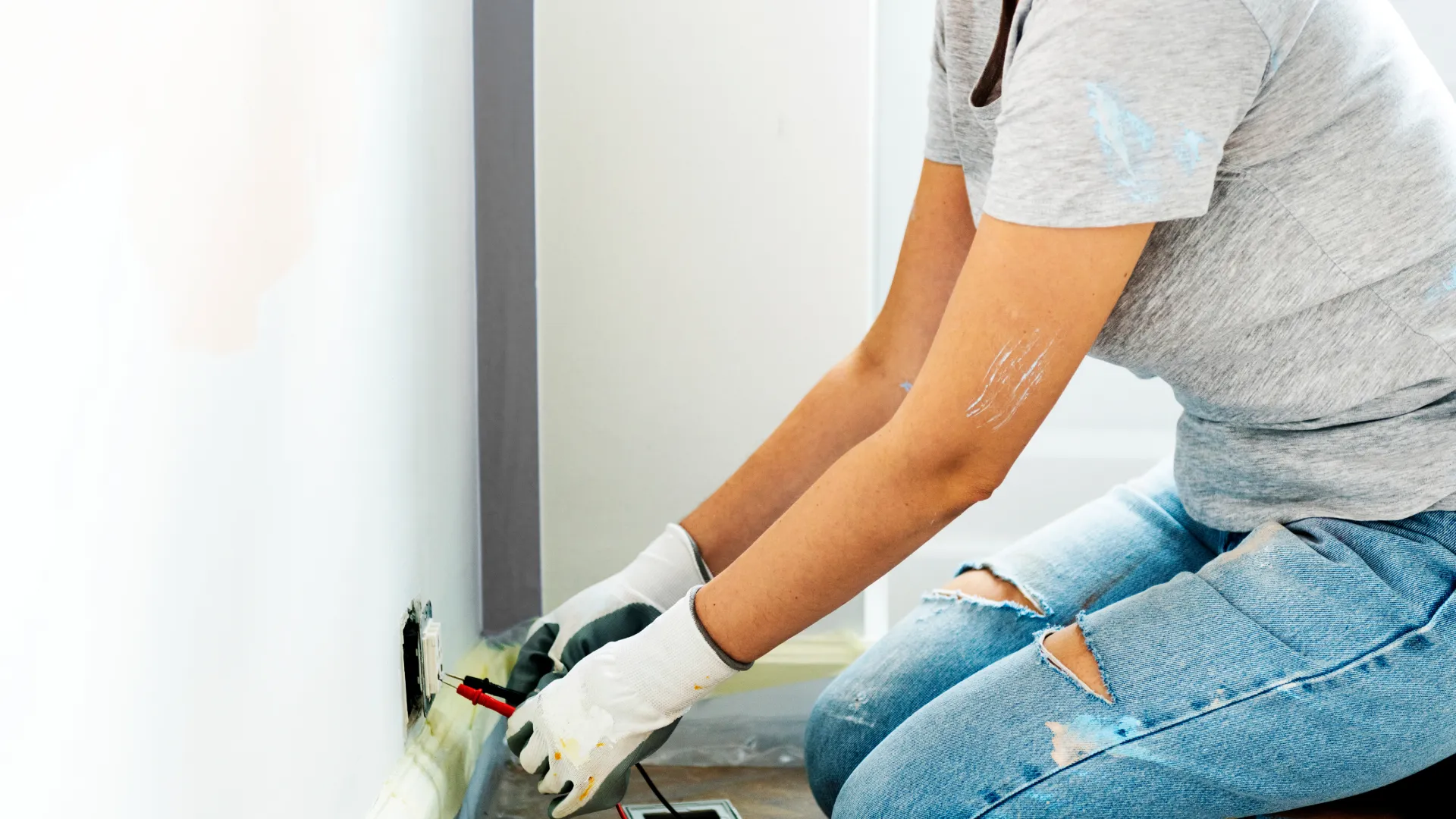
Homeowners may notice small cracks in walls during periods of changing temperatures, heavy rainfall, or dry weather. Wall cracking from seasonal changes is usually associated with natural building movement, fluctuations in soil moisture, or changes in temperature. However, some cracks may indicate a more serious foundation problem and should not be ignored.
Understanding why cracks develop can help homeowners decide when simple monitoring is appropriate and when a professional inspection is needed.
1. Expanding and Shrinking Soil
Soil around a home's foundation can expand when it absorbs moisture and shrink during dry conditions. These seasonal changes can affect the support beneath the foundation, sometimes causing uneven movement.
In areas that experience alternating wet and dry weather, repeated soil movement may contribute to cracks in interior walls, exterior brickwork, and foundation surfaces.
2. Temperature Changes and Building Materials
Construction materials such as wood, concrete, and masonry respond differently to temperature and humidity changes. Wood can expand or contract as moisture levels change, while concrete naturally experiences small movements as temperatures fluctuate.
These changes may produce minor cracks around drywall joints, windows, doors, and ceilings. Small, stable hairline cracks are not always a sign of structural damage, but their progression should be monitored.
3. Heavy Rainfall and Foundation Moisture
Seasonal rainfall can increase soil moisture around a home's foundation. If water collects near the building because of poor grading, clogged gutters, or inadequate drainage, it may increase pressure against foundation walls.
Water intrusion and repeated moisture changes can contribute to foundation deterioration in some situations. Homeowners should investigate recurring basement leaks, damp walls, and cracks that appear or worsen after storms.
4. Signs That Wall Cracks May Be Serious
Not every wall crack requires major repairs, but certain warning signs deserve prompt attention.
Watch for:
-
Cracks that become wider or longer over time.
-
Horizontal cracks in basement foundation walls.
-
Stair-step cracks in brick or masonry.
-
Doors and windows that suddenly stick or become difficult to close.
-
Uneven floors or noticeable separation between walls and ceilings.
-
Water seeping through cracks after heavy rainfall.
These symptoms can indicate foundation movement or water-related damage. A qualified professional can assess the pattern, location, and progression of the cracks to help determine the appropriate next step.
5. How Can Homeowners Reduce Seasonal Foundation Problems?
Although seasonal weather cannot be controlled, homeowners can reduce some risks by managing water around the property.
Consider these preventive measures:
-
Keep gutters and downspouts clear and functional.
-
Direct roof runoff away from the foundation.
-
Maintain proper yard grading to prevent water from collecting near exterior walls.
-
Address persistent basement moisture and foundation leaks.
-
Monitor existing cracks with dated photographs and measurements.
-
Arrange a professional evaluation if cracks widen or other structural symptoms develop.
Avoid filling a crack before determining whether it is active or related to a larger structural issue. Cosmetic repairs alone may not resolve the underlying cause.
When Should You Contact a Foundation Repair Specialist?
If wall cracks continue to grow, appear alongside uneven floors, or occur with water intrusion, a professional assessment can help identify the cause. The right solution depends on whether the issue involves normal material movement, drainage, soil conditions, or structural foundation damage.
Tri-State Waterproofing provides foundation repair, basement waterproofing, and crawl space repair services for homeowners across Georgia, North Carolina, and South Carolina. Its team can help assess moisture-related concerns and foundation warning signs so homeowners can better understand their repair options.
Final Thoughts
Wall cracking from seasonal changes is usually related to natural material movement or fluctuations in soil moisture, but the cause can vary from one property to another. Tracking changes in existing cracks and maintaining proper drainage are useful first steps. When cracks widen, recur, or appear with other warning signs, seek a professional evaluation rather than assuming the problem is purely cosmetic.
away from the foundation, correct improper grading, and address persistent water accumulation. Monitor existing cracks and seek professional advice if they change or appear with other warning signs.
6. Can foundation cracks be repaired without fixing drainage problems?
A crack can sometimes be repaired directly, but ongoing water intrusion or soil movement may cause the problem to return. Identifying and addressing the underlying cause is important when selecting an appropriate repair solution.
7. When should I contact Tri-State Waterproofing?
Consider contacting Tri-State Waterproofing when cracks are worsening, basement walls show signs of water intrusion, or you suspect a foundation or crawl space moisture problem. A professional assessment can help determine the likely cause and appropriate next steps.