VW Suspension Upgrades: A Complete Guide to Better Stability and Performance
15 Views
Classic Volkswagen Beetles are loved for their timeless styling, simple engineering, and distinctive driving experience. However, even a well-maintained vintage car can benefit from carefully selected suspension upgrades. Whether you are restoring a family classic, building a weekend cruiser, or creating a performance-focused Beetle, the right components can improve road handling, steering response, and overall driving confidence.
A successful upgrade is not simply about lowering the car or making its suspension stiffer. It involves understanding your vehicle, identifying worn components, and choosing parts that complement your driving style. With the right approach, you can preserve the character of your classic Volkswagen while making every journey more enjoyable.
Why Suspension Upgrades Matter
Your suspension helps maintain tire contact with the road, absorbs bumps, and supports predictable handling when cornering or braking. Over time, original components can wear out, rubber bushings can deteriorate, and shock absorbers can lose their effectiveness. These problems may cause excessive bouncing, uneven tire wear, vague steering, or reduced stability.
A properly planned vw suspension upgrade can address these concerns while helping your classic Volkswagen feel more controlled. The goal is to achieve a balanced setup that suits everyday driving, spirited weekend trips, or a customized restoration project.
Before purchasing new parts, inspect the existing system. Replacing worn components should generally come before adding performance modifications.
1. Start With a Thorough Suspension Inspection
Every successful upgrade begins with understanding the condition of your vehicle. Inspect the front beam, suspension arms, steering joints, shock absorbers, bushings, and mounting points for visible damage or excessive wear.
Pay attention to how the car behaves on the road. Does it pull to one side? Does the steering feel loose? Does the body continue bouncing after crossing a bump? These symptoms can indicate problems that need attention before performance improvements are considered.
Classic Beetles were produced with different suspension arrangements depending on their model and production year. Early link-pin systems, later ball-joint front ends, and different rear suspension designs require compatible components. Identifying your exact setup helps prevent incorrect purchases and unnecessary installation costs.
2. Choose Shock Absorbers That Match Your Driving Style
Shock absorbers control suspension movement and help prevent the vehicle from continuing to bounce after encountering uneven surfaces. Worn shocks can make a classic car feel unsettled, particularly when driving through corners or over repeated bumps.
For a Beetle used mainly on public roads, suitable replacement shocks can restore control without creating an unnecessarily harsh ride. Drivers seeking a firmer response may consider performance-oriented options designed for their specific model.
Remember that stiffer is not automatically better. Excessively firm shocks can reduce comfort and make it harder for the tires to maintain contact with rough roads. Choose components according to vehicle weight, suspension configuration, and intended use.
3. Consider Adjustable and Narrowed Front Beams
Adjustable front beams are popular among enthusiasts who want greater control over ride height. They can help achieve a customized stance while retaining the basic character of a classic Beetle when properly selected and installed.
A narrowed beam may be useful for builds requiring additional wheel clearance, especially when the owner wants to run a lowered stance or particular wheel-and-tire combination. However, narrowing the beam is not a universal solution for every vehicle.
Before choosing this modification, check wheel offset, tire clearance, steering movement, and compatibility with the existing suspension. Ride-height changes can also affect suspension geometry and steering behavior. Appropriate alignment and any necessary geometry corrections should be completed before the car returns to regular driving.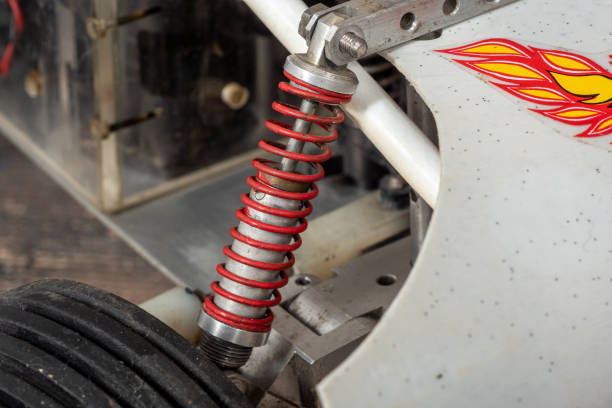
4. Upgrade Bushings and Inspect Steering Components
Bushings help cushion movement between suspension components while reducing unwanted vibration and play. As rubber ages, it can crack, soften, or deteriorate, allowing components to move more than intended.
Replacing worn bushings can improve steering precision and help restore a more composed driving experience. Depending on the vehicle and application, owners may choose replacement rubber or suitable performance materials.
Do not overlook steering-box condition, tie rods, steering couplers, wheel bearings, and related hardware. These parts work alongside the suspension to influence how the vehicle responds to driver input. Upgrading one component while ignoring worn parts elsewhere can limit the benefits of the entire project.
5. Lower Your Beetle Without Sacrificing Control
A lowered classic Volkswagen can achieve a distinctive appearance, but lowering should be planned around practical driving requirements. Excessive lowering may reduce suspension travel, increase the risk of underbody contact, and create clearance problems with tires or wheel arches.
It can also change caster, camber, and toe settings, potentially making the vehicle feel nervous at speed or causing uneven tire wear. The correct solution depends on the model, front suspension design, and amount of lowering.
For a street-driven Beetle, prioritize predictable steering, adequate ground clearance, and usable suspension movement. If your goal is a show car or a performance build, discuss the intended ride height with an experienced Volkswagen specialist before selecting parts.
6. Match Your Upgrades to the Entire Vehicle
Suspension components work together rather than independently. Springs or torsion components, shocks, bushings, sway bars, tires, and wheel alignment all influence the final result.
For example, a sway bar can help control body roll, but the correct size and combination depend on the vehicle's existing setup. An unsuitable combination can upset handling balance rather than improve it. Similarly, larger wheels or different tires may change clearance and ride quality.
Consider how you use your Beetle before investing in modifications. A daily driver needs comfort, dependable handling, and durability. A weekend cruiser may benefit from a mild performance setup, while a competition-focused vehicle may require more specialized adjustments.
7. Find Quality Parts for Your Restoration Project
Choosing compatible parts from a reliable supplier makes the upgrade process more straightforward. Look for accurate fitment information, suitable materials, clear installation requirements, and components intended for your particular Volkswagen model and year.
At Aircooled Vintageworks, enthusiasts can explore suspension-related parts for classic Volkswagen builds and identify options that support restoration and customization goals. Before ordering, verify the product specifications and confirm whether additional hardware or professional installation is required.
A well-planned vw suspension project should focus on dependable performance, correct fitment, and a balanced driving experience rather than appearance alone. Investing in suitable components can help protect the value of your vehicle while making it more enjoyable to drive.
8. Prioritize Alignment, Installation, and Maintenance
Even excellent components cannot deliver their full benefits when installed incorrectly. Suspension work should be followed by an inspection of fasteners, steering movement, wheel clearance, and the overall condition of connected parts.
Have the wheel alignment checked after changing ride height or replacing relevant suspension components. The correct specifications vary by model and modification, so avoid relying on generic settings for every Beetle.
After installation, test the vehicle carefully at low speeds before progressing to normal driving. Listen for unusual noises and pay attention to steering response. Periodic inspections can identify loose hardware, deteriorating bushings, and developing tire-wear issues before they become more serious.
Aircooled Vintageworks encourages classic Volkswagen owners to approach restoration and performance improvements with careful planning and model-specific parts selection. Combining appropriate components with proper installation and maintenance helps create a vehicle that looks right and drives with greater confidence.
Conclusion
Suspension upgrades can make a meaningful difference to the stability, comfort, and handling of a classic Volkswagen Beetle. The best results come from addressing worn parts first, selecting compatible components, and considering the complete vehicle rather than focusing on a single modification.
Whether you want a comfortable street car, a customized lowered Beetle, or a more responsive weekend build, thoughtful planning is essential. Explore suitable components, verify fitment, and seek professional assistance when needed. With the right setup, your classic Volkswagen can retain its distinctive personality while delivering a more controlled and enjoyable driving experience.
Frequently Asked Questions
1. What are the main benefits of upgrading a classic Beetle's suspension?
Upgrades can improve steering response, reduce unwanted bouncing, enhance body control, and help restore predictable handling when worn components are replaced.
2. Can I lower my Volkswagen Beetle and still drive it comfortably?
Yes. A moderate, well-planned setup can balance appearance and comfort. Excessive lowering may reduce suspension travel, compromise clearance, and negatively affect steering geometry.
3. Do I need a wheel alignment after suspension modifications?
Yes. Alignment should be checked after changes that affect ride height or suspension geometry. Correct settings help support stable handling and even tire wear.
4.Which suspension parts should I upgrade first?
Begin by inspecting and replacing worn shocks, bushings, steering joints, and other damaged components. Once the vehicle is mechanically sound, consider upgrades suited to your driving goals and budget.