Video Production Services Dubai for Brands That Stand Out
By Zaini media
15 Views
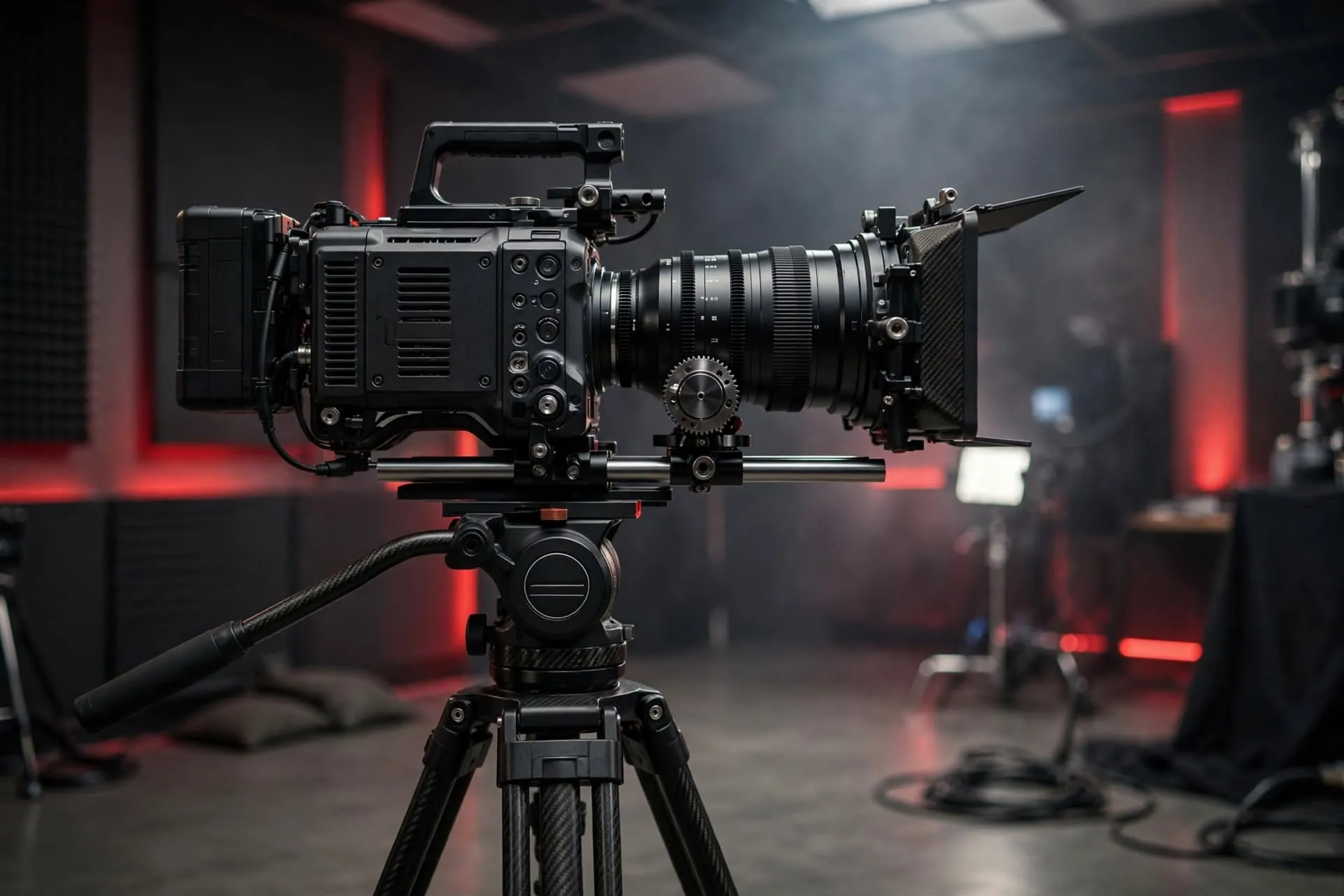
A business video should do more than look attractive. It should explain something useful, answer a customer question, or encourage a relevant action. For companies working in competitive markets, video production services dubai can support communication through corporate storytelling, product demonstrations, advertising, and brand films.
The first step is to understand the problem the video must solve. A company launching a service may need to explain its benefits, while an established organisation may want to introduce its team or demonstrate its expertise.
These objectives require different creative decisions. A product demonstration needs clear visuals and accurate explanations. A company profile may need interviews, workplace footage, and a story about the organisation's purpose.
Businesses should also consider where audiences will watch the content. Website visitors may spend time with a detailed presentation, whereas social media users often need a direct message that makes sense within a few seconds.
2. Researching the Audience Before Developing the Concept
Good planning begins with understanding the people the video needs to reach. Their interests, concerns, knowledge, and expectations influence the language, visuals, and overall structure.
A business can begin by asking three questions:
-
What does the audience already know about the product or service?
-
What information would help them make a decision?
-
What action should they take after watching?
For example, a technology company selling business software may discover that potential customers worry about complicated installation. Its video could show the setup process, explain available support, and demonstrate how employees use the software during a normal working day.
This approach focuses on genuine concerns instead of filling the video with general promotional claims. Research can include customer interviews, sales-team feedback, support enquiries, and website analytics.
The information should guide creative choices, but assumptions must be tested where possible. A concept that sounds appealing internally may not address the audience's actual needs.
3. Building a Production Plan That Controls Time and Cost
A written production plan makes responsibilities clearer and reduces avoidable changes. It should describe the project's purpose, creative direction, deliverables, budget, schedule, and approval process.
Pre-production is especially important because filming changes can become expensive. If a location is unavailable or an important product detail is missing, the team may need additional time or another shoot.
A practical checklist includes:
-
An approved script and storyboard.
-
Confirmed filming locations and permissions.
-
Required presenters, actors, or interviewees.
-
Camera, lighting, sound, and production equipment.
-
Brand guidelines, product samples, and supporting graphics.
-
A schedule for reviews and final approval.
Businesses should also agree on what the quoted budget includes. Travel, studio rental, actors, animation, music licensing, subtitles, and additional edits can affect the final cost.
A detailed agreement helps both sides understand what will be delivered. It also makes it easier to manage changes when the original brief develops during production.
4. Using Visual Storytelling to Explain Complex Ideas
Visual storytelling makes information easier to follow when each image supports the main message. It can include real footage, interviews, animation, motion graphics, product close-ups, and carefully selected locations.
For a construction company, footage of a completed building may communicate scale and finish quality. Interviews with project managers can explain the planning process, while animated diagrams may clarify features that are difficult to show with ordinary camera shots.
The choice depends on the subject. Real footage can establish a sense of place, while animation can present an internal mechanism or an abstract process. A combination may work well when a video needs both credibility and explanation.
Sound is equally important. Clear dialogue, balanced music, and suitable sound effects make a video easier to understand. Subtitles can help viewers watching without sound and support accessibility.
Visual effects should serve the story rather than distract from it. Every creative element needs a reason to be included.
5. Commercial Example: Introducing a New Residential Development
Consider a property developer preparing to market a residential project. Its audience includes families, investors, and people comparing several locations.
Instead of producing one long promotional film without a clear structure, the developer could create a coordinated set of videos.
The main film would introduce the development, show the location, present amenities, and explain the intended lifestyle. Short clips could focus on apartment interiors, shared facilities, transport access, and design details. An interview with the project representative could answer common questions about the development.
Before filming, the team would verify property information and secure permission to use the locations. Any digital visualisation would be presented accurately so viewers could distinguish completed features from proposed designs.
The developer could then publish suitable versions across its website, social media channels, presentations, and sales materials. Enquiries and viewing requests would provide more meaningful feedback than views alone.
This example shows how a planned production can support different stages of the customer journey without repeating the same message in every video.
6. Evaluating Creative Quality and Choosing the Right Team
Businesses should evaluate production partners using relevant evidence. A polished showreel is useful, but it should be supported by examples that match the proposed project's style, audience, and technical needs.
Questions worth discussing include:
-
Has the team produced similar corporate films, commercials, or product videos?
-
Who manages scripting, filming, editing, and approvals?
-
What deliverables, revisions, and usage rights are included?
-
How will the team manage deadlines and unexpected changes?
-
How will the finished content be adapted for different platforms?
Zaini Media describes its work across corporate films, commercials, brand films, animation, and digital production. Its portfolio provides examples that prospective clients can review when assessing creative fit.
Businesses should compare proposals based on scope and quality, not price alone. A low initial quote may exclude important deliverables, while a larger package may contain services the project does not need.
After delivery, a review meeting can identify lessons for future campaigns. Comparing audience behaviour, feedback, and business outcomes helps improve the next production.
7. Conclusion
Successful video communication begins with a clear objective and develops through research, planning, storytelling, production, and measurement. Businesses that organise these stages carefully can create useful content without losing sight of their audience or budget. When comparing video production services dubai, companies should look for a partner that understands both creative quality and practical business needs.
A mobile game development company focuses on building interactive games, from concepts and artwork to coding and launch. Such projects may also benefit from trailers and promotional films that introduce gameplay and explain the experience to potential users.
FAQs
1. What is pre-production?
Pre-production is the planning stage before filming. It covers the script, storyboard, schedule, locations, people, equipment, and other practical requirements.
2. Does every business video need a script?
Not every format needs a word-for-word script. Interviews may use prepared questions, while advertisements and structured explainers usually benefit from detailed scripts.
3. Why should businesses plan different video formats early?
Planning formats before filming helps teams capture the right material and reduce the need for expensive additional shoots.
4. What makes a production proposal useful?
A useful proposal explains the concept, scope, deliverables, timeline, costs, responsibilities, and approval process in clear terms.
Related Reading
Why Entertainment & Pop Culture is Transforming the Global Industry Landscape
Welcome to our in-depth exploration of Entertainment & Pop Culture. In an er...
The Ultimate Guide to Understanding Entertainment & Pop Culture in 2026
Welcome to our in-depth exploration of Entertainment & Pop Culture. In an er...