How Veterinary Diagnostics Help Protect Your Pet’s Health
36 Views
Pets cannot explain when something feels wrong. They may hide discomfort, change their eating habits, sleep more than usual, or simply behave differently. Because many health problems begin with subtle signs, veterinary diagnostics play an important role in identifying potential concerns before they become more serious. From routine blood testing to advanced imaging, diagnostic tools give veterinarians valuable information about what is happening inside a pet’s body.
For pet owners searching for dependable downey veterinary hospital care, understanding how diagnostic testing works can make routine wellness visits and medical evaluations more productive. When combined with a physical examination and the pet’s medical history, diagnostic testing helps veterinary professionals make informed decisions about treatment and ongoing care.
Why Veterinary Diagnostics Matter
A physical examination provides important clues about a pet’s overall condition, but it cannot reveal every underlying problem. Some conditions may affect internal organs, blood chemistry, or urinary and digestive systems before noticeable symptoms appear.
Veterinary diagnostics help fill those gaps. Tests can identify changes that may otherwise go unnoticed and provide measurable information that supports an accurate diagnosis. This can be especially valuable for senior pets, animals with chronic conditions, or pets experiencing unexplained changes in appetite, weight, energy, or behavior.
Diagnostic information also establishes a useful baseline. Routine testing when a pet is healthy can give veterinarians reference points for future comparisons, making it easier to recognize meaningful changes over time.
Common Diagnostic Tools Used in Veterinary Care
Different diagnostic methods provide different types of information. A veterinarian selects testing based on the pet’s age, symptoms, medical history, and physical examination.
Blood Testing
Bloodwork is one of the most commonly used diagnostic tools in veterinary medicine. A complete blood count can provide information about red and white blood cells and platelets, while a blood chemistry panel can help evaluate organs and metabolic functions.
Blood testing may help detect signs associated with infection, inflammation, anemia, dehydration, kidney problems, liver abnormalities, or other health concerns. It is also frequently used as part of routine wellness screening and before certain procedures to help assess whether a pet is an appropriate candidate for anesthesia.
Urinalysis and Other Laboratory Testing
Urinalysis can provide valuable information about urinary tract health, kidney function, hydration, and metabolic conditions. Depending on the circumstances, veterinarians may also recommend fecal testing to look for intestinal parasites or other abnormalities.
These laboratory tests are particularly useful because some health problems can develop without obvious outward symptoms. Regular screening can therefore contribute to earlier detection and more timely veterinary care.
Diagnostic Imaging
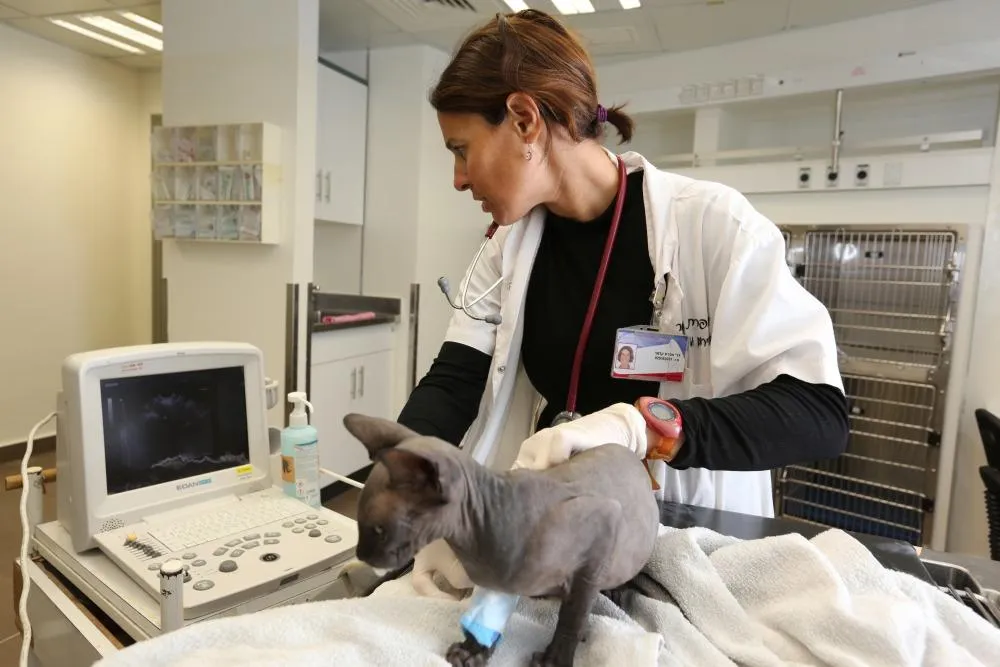
Imaging allows veterinarians to examine structures inside the body without surgery. X-rays can help evaluate bones, the chest, and certain abdominal structures, while ultrasound can provide detailed views of soft tissues and internal organs.
Veterinary diagnostic imaging may be recommended when a pet experiences persistent vomiting, unexplained weight loss, abdominal discomfort, breathing difficulties, injuries, or other concerning symptoms. Imaging can help identify abnormalities and guide the next steps in diagnosis and treatment.
Cytology and Microscopic Evaluation
When a veterinarian discovers a lump, skin lesion, or unusual swelling, examining cells under a microscope can provide useful diagnostic information. A sample may be collected through a procedure such as a fine-needle aspiration and evaluated for changes in the cells.
This type of testing can help determine whether additional investigation is necessary and may prevent owners from having to rely solely on visible characteristics when evaluating an abnormal growth.
Diagnostics Support Preventive Pet Care
Veterinary diagnostics are not limited to pets that are visibly sick. Preventive testing can be an important part of maintaining long-term health, particularly as pets grow older.
Senior pets can develop age-related conditions involving the kidneys, liver, thyroid, blood, or other systems. Early screening may identify changes before symptoms become pronounced. When abnormalities are detected early, veterinarians can discuss appropriate monitoring, lifestyle adjustments, treatment options, or additional testing.
Preventive diagnostics can also be useful for pets with known risk factors. A pet’s breed, age, medical history, environment, and previous illnesses may influence which tests a veterinarian recommends.
How Diagnostic Testing Leads to Better Care
The real value of veterinary diagnostics comes from how test results are interpreted alongside other information. A single laboratory result does not necessarily provide a complete picture of a pet’s health.
Veterinarians consider test results together with the animal’s physical examination, symptoms, medical history, and other relevant findings. This comprehensive approach can help distinguish between possible causes and determine whether additional testing is appropriate.
For example, a pet with increased thirst may require more than one type of evaluation because excessive drinking can be associated with several different health conditions. Bloodwork, urinalysis, and other diagnostic procedures can provide complementary information that helps narrow down the potential causes.
What Pet Owners Can Expect During Testing
Many diagnostic procedures are straightforward and can be completed during a veterinary visit. Depending on the test, a pet may need to provide a blood or urine sample, undergo imaging, or have a small tissue or cell sample collected.
Pet owners should follow any preparation instructions provided by their veterinary team. Some tests may require temporary fasting, while others may have specific preparation requirements.
It is also important to share relevant information about changes in your pet’s behavior, appetite, water consumption, bathroom habits, medications, and activity level. Even seemingly minor observations can help a veterinarian interpret diagnostic findings more accurately.
Making Diagnostics Part of Your Pet’s Health Plan
Regular veterinary examinations combined with appropriate diagnostic testing can provide a stronger foundation for preventive care. Instead of waiting until a pet develops obvious symptoms, owners can work with their veterinary team to determine which screenings make sense based on age, lifestyle, medical history, and individual risk factors.
Diagnostic testing is not about ordering every possible test. It is about using the right tools when they can provide meaningful information. A personalized approach helps ensure that testing supports practical decisions about your pet’s health.
Ultimately, veterinary diagnostics give pet owners and veterinary professionals a clearer understanding of what is happening beneath the surface. By supporting early detection, monitoring existing conditions, and guiding treatment decisions, diagnostic care can play an important role in helping dogs and cats enjoy healthier, more comfortable lives.