Vermont County Foresters: Protecting and Managing Forest Resources
By max12
74 Views
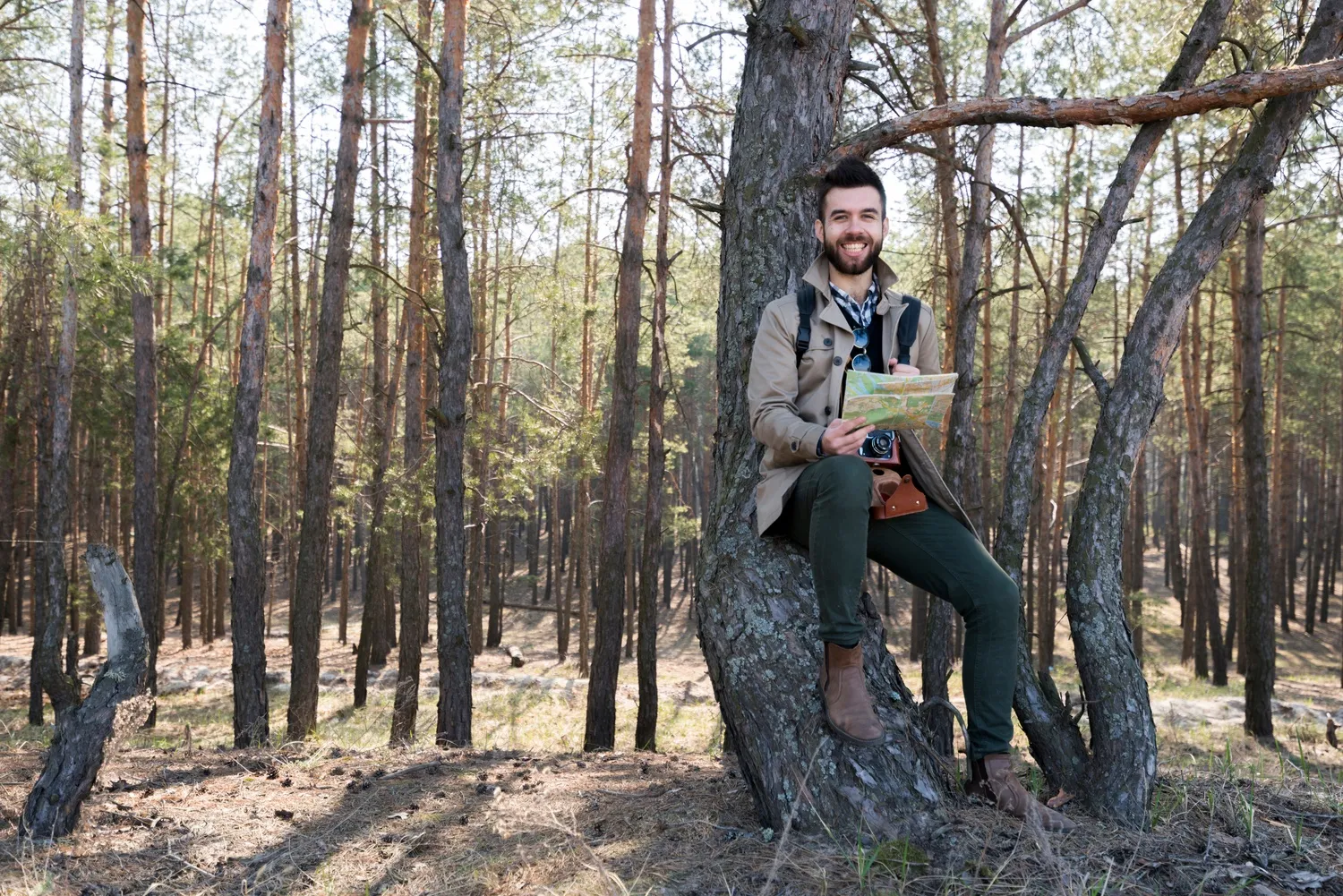
Description: Discover the vital role of Vermont county foresters in maintaining the ecological health and sustainable management of the state's diverse woodland landscapes.
Nestled in the heart of New England, Vermont boasts a landscape defined by rolling hills and dense, vibrant woodlands. Managing this vast natural resource is a complex task that requires a delicate balance between ecological preservation, economic viability, and public recreation. At the center of this effort stand the Vermont county foresters. These professionals serve as the essential bridge between private landowners, governmental agencies, and the enduring health of the state’s forest ecosystems.
Who Are the Vermont County Foresters?
Vermont county foresters are public servants typically employed through the state’s department of forests, parks, and recreation. Their primary mandate is to provide technical assistance and professional guidance to private woodland owners. Since the vast majority of forestland in the state is privately owned, the work these foresters perform is fundamental to the overall health of the environment. Unlike private consultants, these public foresters offer non-regulatory, objective advice aimed at helping landowners navigate the complexities of forest stewardship.
The Scope of Their Work
The responsibilities of a county forester are as diverse as the forests they manage. One of their primary functions is helping landowners understand and implement forest management plans. These plans are comprehensive documents that outline the long-term goals for a parcel of land, whether the owner is interested in wildlife habitat improvement, timber production, carbon sequestration, or forest health monitoring.
Beyond planning, these experts are instrumental in administering programs such as the Current Use Program (also known as the Use Value Appraisal). By helping landowners qualify for this program, foresters encourage the retention of working forests rather than their conversion into residential or commercial real estate. This is critical for preventing forest fragmentation, which poses one of the greatest threats to biodiversity in the Northeast.
Furthermore, these professionals provide hands-on education. They often walk woodlots with owners to identify invasive species, diagnose tree diseases, or suggest silvicultural practices that promote forest regeneration. They also act as a vital resource for communities, offering guidance on town forest management and helping municipalities protect public lands for recreational use and flood mitigation.
Why Their Role Matters
The importance of the Vermont county foresters cannot be overstated. As climate change alters growing seasons and increases the prevalence of forest pests, the guidance provided by these foresters is more crucial than ever. By promoting sustainable harvesting techniques and climate-resilient forest practices, they ensure that the state’s woodlands remain productive and healthy for generations to come.
Through their dedication, they foster a culture of stewardship that transcends individual property lines. They remind us that forests are not merely private assets, but public treasures that provide clean air, clean water, and a sanctuary for wildlife.
Whether you are a landowner seeking to improve your forest’s resilience or a citizen interested in the state’s natural heritage, understanding the role of your local forester is the first step in appreciating the intricate work required to keep Vermont green, vibrant, and thriving.
Related Reading
Top 10 Hidden Secrets About Business & Finance You Need to Know
Welcome to our in-depth exploration of Business & Finance. In an era defined...
Why Business & Finance is Transforming the Global Industry Landscape
Welcome to our in-depth exploration of Business & Finance. In an era defined...