Vacuum Roll Off Containers: A Complete Guide to Industrial Waste Collection and Transportation
By Keystone Waste Solutions LLC
85 Views
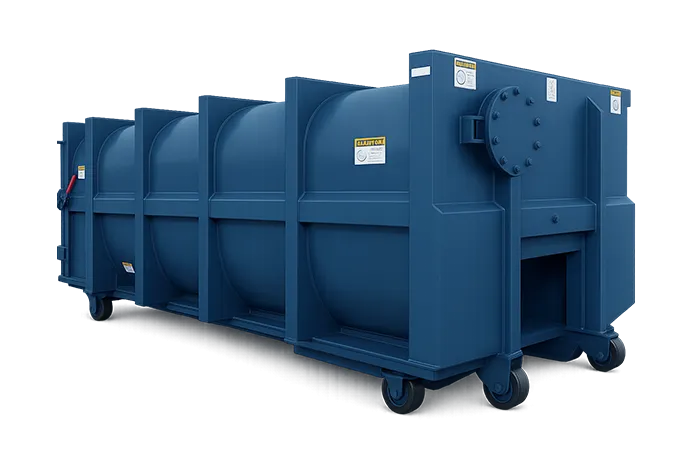
Understanding Vacuum Roll Off Containers
Vacuum roll off containers are specialized waste management containers designed for the collection, transportation, storage, and disposal of liquid waste, sludge, contaminated materials, and industrial byproducts. These containers are commonly used in environmental remediation projects, industrial cleaning operations, wastewater treatment facilities, manufacturing plants, and municipal services.
Unlike standard roll off containers, vacuum roll off containers are engineered to handle wet and semi-liquid materials safely and efficiently. Their sealed construction helps prevent spills, leaks, and environmental contamination during transportation.
Vacuum roll off containers play a critical role in modern industrial waste management by providing a safe, efficient, and environmentally responsible solution for handling liquid and sludge-based waste streams.
What Are Vacuum Roll Off Containers?
Vacuum roll off containers are heavy-duty containers designed to work with vacuum trucks and industrial waste collection systems.
These containers are commonly used for:
- Sludge collection
- Liquid waste transportation
- Environmental remediation
- Industrial cleaning projects
- Wastewater treatment operations
- Emergency spill response
- Contaminated soil management
The containers are typically transported using roll off trucks, allowing for efficient delivery and removal from job sites.
How Vacuum Roll Off Containers Work
Waste Collection Process
Vacuum systems transfer waste materials directly into the container using powerful suction equipment.
The process generally involves:
- Vacuum equipment extracts waste materials.
- Waste is transferred into the container.
- The container is securely sealed.
- The loaded container is transported to an approved treatment or disposal facility.
This process minimizes exposure to hazardous materials and improves operational efficiency.
Secure Transportation
The sealed design of vacuum roll off containers helps contain liquids and sludge during transportation.
Benefits include:
- Reduced spill risks
- Improved safety
- Environmental protection
- Regulatory compliance
Disposal and Treatment
Once transported, waste materials may undergo:
- Treatment
- Recycling
- Dewatering
- Disposal
- Resource recovery
The appropriate method depends on the waste characteristics and regulatory requirements.
Key Features of Vacuum Roll Off Containers
Leak-Resistant Construction
One of the most important features is the ability to contain liquid waste safely.
Leak-resistant designs help:
- Prevent environmental contamination
- Reduce cleanup costs
- Improve transportation safety
Heavy-Duty Steel Design
Most vacuum roll off containers are constructed from durable steel materials capable of handling demanding industrial applications.
Advantages include:
- Long service life
- High durability
- Resistance to corrosion
- Structural strength
Sealed Lids and Covers
Many models feature secure lids or covers to protect waste during transportation.
Benefits include:
- Odor control
- Spill prevention
- Regulatory compliance
- Improved site cleanliness
Compatibility with Vacuum Systems
These containers are specifically designed to integrate with industrial vacuum trucks and waste collection systems.
This compatibility improves loading efficiency and operational productivity.
Common Applications of Vacuum Roll Off Containers
Industrial Cleaning Projects
Industrial facilities often generate sludge, residue, and wastewater during maintenance and cleaning operations.
Vacuum roll off containers are frequently used to collect:
- Tank cleaning waste
- Industrial sludge
- Process residues
- Wastewater solids
Environmental Remediation
Environmental cleanup projects require specialized waste handling equipment.
Vacuum roll off containers support:
- Soil remediation
- Contaminated material removal
- Spill response operations
- Site restoration projects
Wastewater Treatment Facilities
Treatment plants regularly generate sludge and residual waste materials.
Vacuum roll off containers provide efficient storage and transportation solutions for these waste streams.
Municipal Operations
Municipal agencies may use vacuum roll off containers for:
- Sewer maintenance
- Stormwater system cleaning
- Public works projects
- Infrastructure maintenance
Manufacturing Facilities
Manufacturing operations often produce liquid and semi-solid waste that requires professional handling and transportation.
Types of Waste Managed by Vacuum Roll Off Containers
Liquid Waste
Liquid waste streams commonly include:
- Process water
- Wash water
- Industrial liquids
- Wastewater residues
Sludge
Sludge is one of the most common materials transported in vacuum roll off containers.
Examples include:
- Treatment plant sludge
- Industrial sludge
- Dewatered materials
- Sediment waste
Contaminated Materials
Environmental projects often involve the collection of contaminated substances requiring secure containment.
Non-Hazardous Industrial Waste
Many facilities utilize vacuum containers for non-hazardous waste generated during routine operations.
Benefits of Vacuum Roll Off Containers
Improved Safety
Handling liquid and sludge waste presents unique challenges.
Vacuum roll off containers improve safety by:
- Reducing manual handling
- Minimizing spill risks
- Enhancing containment
- Protecting workers
Environmental Protection
Proper waste containment reduces the risk of contamination affecting:
- Soil
- Groundwater
- Surface water
- Air quality
Regulatory Compliance
Industrial waste management regulations often require secure containment and transportation methods.
Vacuum roll off containers help organizations meet these requirements.
Operational Efficiency
These containers streamline waste collection and transportation processes.
Benefits include:
- Faster cleanup operations
- Reduced downtime
- Improved project productivity
- Lower labor requirements
Organizations that utilize vacuum roll off containers often experience improved waste management performance while maintaining environmental and regulatory compliance.
Vacuum Roll Off Containers vs. Standard Roll Off Containers
Although both container types are transported using roll off trucks, important differences exist.
Vacuum Roll Off Containers
Designed for:
- Liquid waste
- Sludge
- Semi-solid materials
- Environmental projects
Standard Roll Off Containers
Typically used for:
- Construction debris
- Demolition waste
- General solid waste
- Recycling materials
Comparison Table
FeatureVacuum Roll Off ContainerStandard Roll Off ContainerLiquid Waste HandlingExcellentLimitedSludge TransportationExcellentLimitedSpill PreventionHighModerateEnvironmental ApplicationsExtensiveLimitedConstruction DebrisModerateExcellent
Selecting the proper container depends on the specific waste stream and project requirements.
Industries That Use Vacuum Roll Off Containers
Environmental Services
Environmental contractors frequently use vacuum roll off containers for remediation and cleanup projects.
Oil and Gas Operations
Energy facilities often require specialized containers for managing liquid waste and sludge.
Manufacturing
Manufacturers rely on vacuum containers to manage production-related waste streams efficiently.
Municipal Utilities
Public utilities use these containers for sewer maintenance and wastewater treatment operations.
Construction and Infrastructure Projects
Large-scale projects may generate wet materials that require specialized handling and transportation.
Factors to Consider When Choosing Vacuum Roll Off Containers
Waste Characteristics
Organizations should evaluate:
- Waste composition
- Moisture content
- Volume requirements
- Transportation needs
Container Capacity
Selecting the appropriate capacity ensures efficient operations and minimizes transportation costs.
Regulatory Requirements
Compliance considerations vary depending on the waste type and project location.
Transportation Logistics
Planning transportation routes and disposal facilities is an important part of project management.
Best Practices for Vacuum Roll Off Container Use
Conduct Waste Assessments
Understanding waste characteristics helps determine the most appropriate container solution.
Follow Loading Procedures
Proper loading techniques improve safety and maximize container efficiency.
Inspect Equipment Regularly
Routine inspections help identify maintenance needs before problems occur.
Train Personnel
Employee training supports:
- Safe operations
- Regulatory compliance
- Equipment longevity
- Environmental protection
Sustainability and Vacuum Roll Off Containers
Supporting Waste Reduction
Proper waste collection helps improve recycling and recovery opportunities.
Resource Recovery Programs
Certain waste streams may contain recoverable materials that can be reused or recycled.
Environmental Stewardship
Organizations increasingly prioritize sustainable waste management practices.
Vacuum roll off containers support these efforts through secure containment and responsible transportation.
Technology and Innovation
Advanced Container Design
Modern vacuum roll off containers continue to evolve through improvements in:
- Structural durability
- Leak prevention
- Transportation efficiency
Digital Waste Tracking
Many organizations use technology to monitor waste generation and transportation activities.
Benefits include:
- Better reporting
- Improved compliance
- Enhanced operational visibility
Fleet Optimization
Advanced routing technologies help improve transportation efficiency while reducing fuel consumption.
Future Trends in Vacuum Roll Off Container Applications
Increased Environmental Regulations
Growing environmental requirements are driving demand for advanced containment solutions.
Infrastructure Development
Continued infrastructure investment will increase demand for specialized waste handling equipment.
Sustainability Initiatives
Organizations are increasingly adopting waste reduction and resource recovery strategies.
Improved Equipment Performance
Future container designs are expected to offer enhanced durability, safety, and operational efficiency.
Conclusion
Vacuum roll off containers provide a specialized solution for collecting, transporting, and managing liquid waste, sludge, and other challenging industrial waste streams. Their leak-resistant construction, compatibility with vacuum systems, and ability to support regulatory compliance make them an essential tool across numerous industries.
From environmental remediation and wastewater treatment to industrial cleaning and municipal operations, vacuum roll off containers help organizations improve safety, efficiency, and environmental performance. As industrial waste management requirements continue to evolve, vacuum roll off containers will remain a critical component of responsible and effective waste handling strategies.
Related Reading
Top 10 Hidden Secrets About Business & Finance You Need to Know
Welcome to our in-depth exploration of Business & Finance. In an era defined...
Why Business & Finance is Transforming the Global Industry Landscape
Welcome to our in-depth exploration of Business & Finance. In an era defined...