Unlocking the Role of Expert Witnesses in Structural Engineering
6 Views
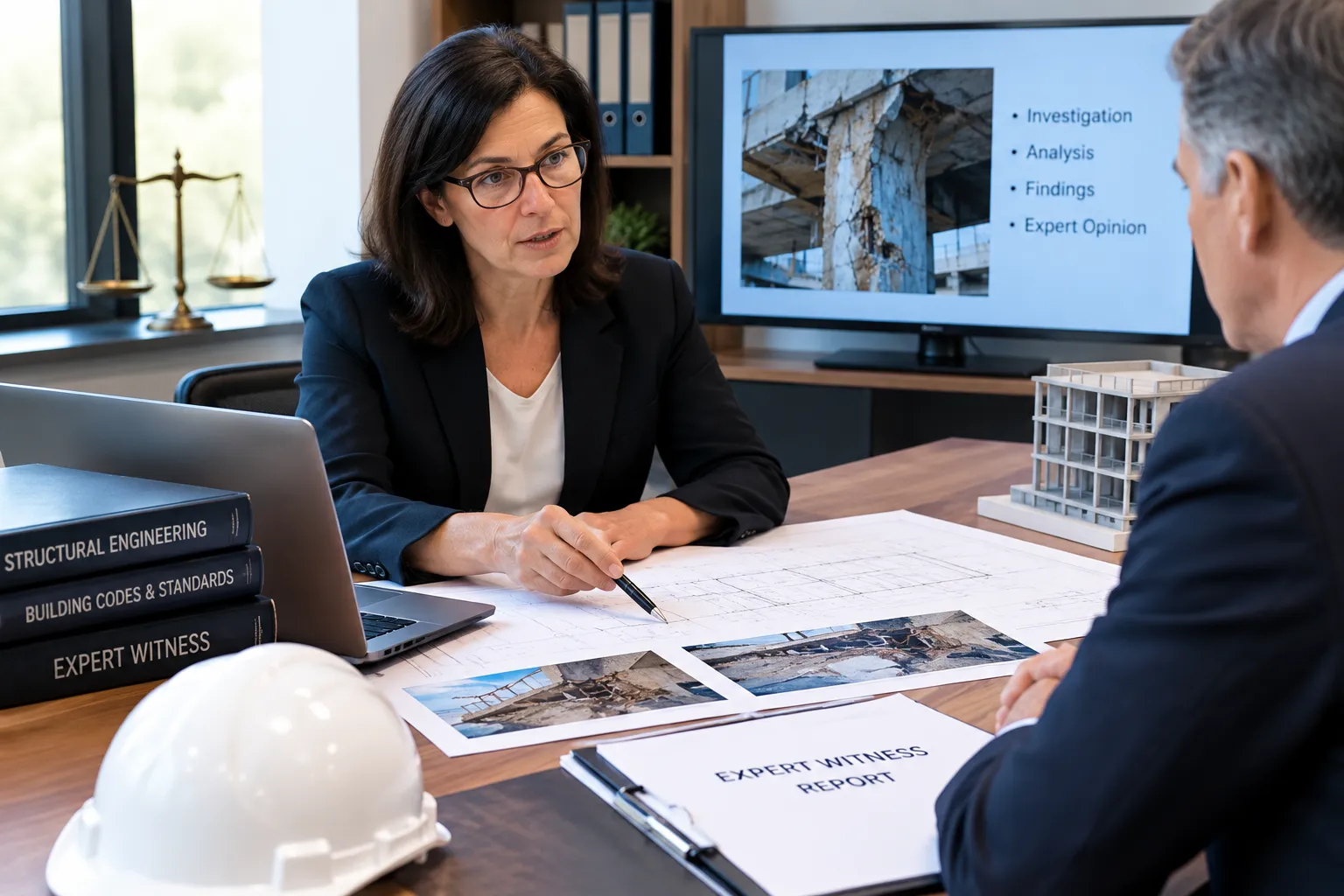
Structural engineering disputes often involve complex questions about building safety, construction quality, design decisions, and the causes of structural damage. An Expert Witness and Structural Engineer helps explain these technical issues through independent investigations, engineering analysis, and professional testimony. For attorneys, property owners, contractors, and insurance professionals, understanding the expert witness process can make it easier to evaluate evidence and resolve construction-related disputes.
What is an Expert Witness in Structural Engineering?
An expert witness in structural engineering is a qualified professional who provides specialized technical opinions in legal disputes, insurance claims, arbitration, and other formal proceedings. The expert examines engineering evidence and explains how a structure was designed, built, damaged, or maintained.
Unlike a fact witness, who generally describes what they personally observed, an expert can use professional training and technical analysis to interpret evidence and explain conclusions within their area of expertise.
For example, if a commercial building develops major cracks shortly after construction, the parties involved may disagree about whether the problem resulted from faulty design, poor workmanship, material defects, or ground movement. A structural engineering expert can investigate the available evidence and explain which causes are supported by the findings.
The expert's responsibility is to provide an independent, evidence-based opinion, not simply to support the party who hired them.
What Does a Structural Engineering Expert Witness Do?
An expert witness may become involved at several stages of a dispute, from the initial investigation to courtroom testimony. The exact responsibilities depend on the project's technical issues and the legal questions being considered.
1. Investigates Structural Problems
The expert inspects the affected building or structure, reviews construction records, and documents visible damage. Depending on the case, the investigation may include foundation settlement, cracking, roof failures, corrosion, water intrusion, or structural collapse.
2. Reviews Engineering Documents
Structural drawings, calculations, specifications, inspection records, repair documents, and applicable building codes can provide important evidence. Reviewing these records helps the engineer compare the original design with the completed work and identify potential discrepancies.
3. Determines the Likely Cause of Failure
Identifying a defect is only part of the investigation. The expert must also evaluate why it occurred and whether design decisions, construction practices, materials, loading conditions, or environmental factors contributed to the problem.
4. Prepares Technical Reports
A well-prepared report explains the investigation methods, relevant evidence, engineering calculations, findings, and professional opinions. Clear photographs, diagrams, and supporting documents can make complex technical information easier to understand.
5. Provides Deposition and Courtroom Testimony
An expert may answer questions from attorneys, explain technical conclusions during a deposition, or testify in court. The ability to communicate clearly is essential because judges, juries, and legal professionals may not have an engineering background.
PS Engineering Inc. provides expert witness services and forensic structural investigations for construction-related disputes. Its work includes evaluating structural failures, analyzing defects, and presenting technical findings to support legal and insurance matters.
When is an Expert Witness Needed?
Structural engineering expertise can be useful whenever a dispute depends on understanding how a building or engineered structure performed. These cases may involve significant financial losses, questions about safety, or disagreements over responsibility for repairs.
Common situations include:
-
Construction defects: A building has cracks, settlement, water intrusion, or other problems that may relate to design or workmanship.
-
Structural failures: A roof, floor, retaining wall, or other component has partially or completely failed.
-
Insurance disputes: The parties disagree about the cause, extent, or repair cost of property damage.
-
Building code concerns: Questions arise about whether a design or completed structure met the applicable requirements.
-
Contractor disputes: Owners and contractors disagree about the quality of construction or whether work followed the approved plans.
-
Design errors: A structural detail or engineering calculation is alleged to have contributed to damage or unsafe conditions.
A Design Defect Expert Witness and Structural Engineer can be particularly valuable when a dispute centers on whether the original design adequately accounted for loads, material properties, connections, or expected building conditions.
The engineer can compare design documents with accepted engineering practices and relevant requirements, then explain the technical evidence. Whether a design error establishes legal liability remains a matter for the appropriate legal process.
The Investigation and Testimony Process
A structural engineering expert witness follows a systematic process to develop opinions that are supported by evidence. The steps may vary by case, but most investigations include the following stages.
Step 1: Review the case information
The engineer reviews the initial claim, available photographs, construction documents, repair records, and questions that need technical answers. This helps define the scope of the investigation.
Step 2: Inspect the structure
The engineer examines relevant building components, records damage, takes measurements, and identifies areas that may require further testing. Site access and safety conditions can affect the inspection plan.
Step 3: Analyze the evidence
Engineering calculations, material tests, code reviews, and structural models may help evaluate possible failure mechanisms. The expert considers competing explanations instead of relying on a single observation.
Step 4: Prepare findings and opinions
The engineer documents the evidence, explains the reasoning behind the conclusions, and identifies any limitations or unresolved questions.
Step 5: Explain the findings
If required, the expert answers questions during a deposition, mediation, arbitration, or trial. Clear explanations help legal teams understand the technical issues and assess the strength of the evidence.
Specialized Areas of Structural Engineering Expertise
Not every construction dispute requires the same technical background. Selecting an expert with experience in the relevant type of structure or failure can make the investigation more useful.
Damage Assessment and Forensic Investigation
A Damage Assessment and Forensic Engineer evaluates the nature, extent, and likely cause of structural damage. This work can involve storm damage, fire, impact, water intrusion, foundation movement, or material deterioration.
The investigation may help determine which components require repair, whether the damage affects structural performance, and what corrective work may be appropriate. Detailed documentation can also support insurance claims, repair planning, and legal proceedings.
Aviation and Aerospace Structures
An Aviation Structure and Forensic Engineer investigates structural concerns involving aircraft-related facilities, airport buildings, hangars, and other specialized structures within their area of expertise.
These projects can involve long-span roofs, specialized connections, unusual loading conditions, and equipment installations that affect existing structural systems. An engineer with relevant aviation and structural experience can evaluate the design, construction, or damage concerns specific to the facility.
Building Rehabilitation and Upgrades
A Building Retrofit and Structural Engineer evaluates existing structures when owners need to improve performance, address deterioration, or accommodate changes in use.
Retrofit work may involve strengthening beams and columns, modifying structural connections, improving lateral stability, or supporting new equipment. When retrofit decisions become part of a dispute, an expert can assess whether the proposed or completed work adequately addressed the identified structural concerns.
Standards, Cause, and Professional Practice
A Structural Forensic Engineer examines the evidence surrounding a structural problem and develops an explanation of the failure mechanism. This may include reviewing calculations, evaluating construction details, analyzing material performance, and comparing actual conditions with applicable standards.
In cases involving the standard of care and causation, the engineer may be asked to assess whether professional work met relevant engineering expectations and whether an alleged departure contributed to the damage. The exact scope depends on the expert's qualifications, the available evidence, and the questions presented.
Forensic conclusions should distinguish documented facts from assumptions and acknowledge uncertainty where the evidence does not support a definitive answer.
How to Choose the Right Structural Engineering Expert Witness
Choosing an expert involves more than checking professional credentials. The engineer should have relevant technical experience, understand the demands of legal proceedings, and be able to explain findings clearly.
Consider these factors before hiring an expert:
-
Professional qualifications: Confirm appropriate engineering licenses and experience in the relevant jurisdiction.
-
Relevant case experience: Look for experience with similar structural failures, design disputes, or construction defects.
-
Investigation methods: Ask how the engineer will collect evidence, assess possible causes, and document conclusions.
-
Communication skills: A useful expert can explain engineering principles without overwhelming a nontechnical audience.
-
Objectivity: Opinions should follow the evidence, even when the findings do not support the position of the hiring party.
-
Availability: Confirm that the expert can meet inspection, reporting, deposition, and trial deadlines.
For cases requiring a Standard and Cause and Forensic Engineer, clarify whether the assignment concerns standard-of-care analysis, origin and cause, or both. These are distinct questions that may require different evidence and professional opinions.
PS Engineering Inc. offers forensic engineering, construction defect analysis, structural rehabilitation, and expert witness services. Its team works with attorneys, insurers, contractors, and property owners on complex structural matters.
Final Thought
Structural disputes can be difficult to resolve when technical findings are unclear, or the parties disagree about what caused the damage. A qualified Structural Engineer Expert Witness can bring clarity to the process through careful investigation, reliable analysis, and straightforward communication. By helping legal teams understand the engineering evidence, the right expert can support informed decisions and a more effective approach to resolving complex construction disputes.
Related Reading
Top 10 Hidden Secrets About Business & Finance You Need to Know
Welcome to our in-depth exploration of Business & Finance. In an era defined...
Why Business & Finance is Transforming the Global Industry Landscape
Welcome to our in-depth exploration of Business & Finance. In an era defined...