Understanding Vehicle Lockouts and Fuel Emergencies in Woodbridge, CT
By M&S Towing
5 Views
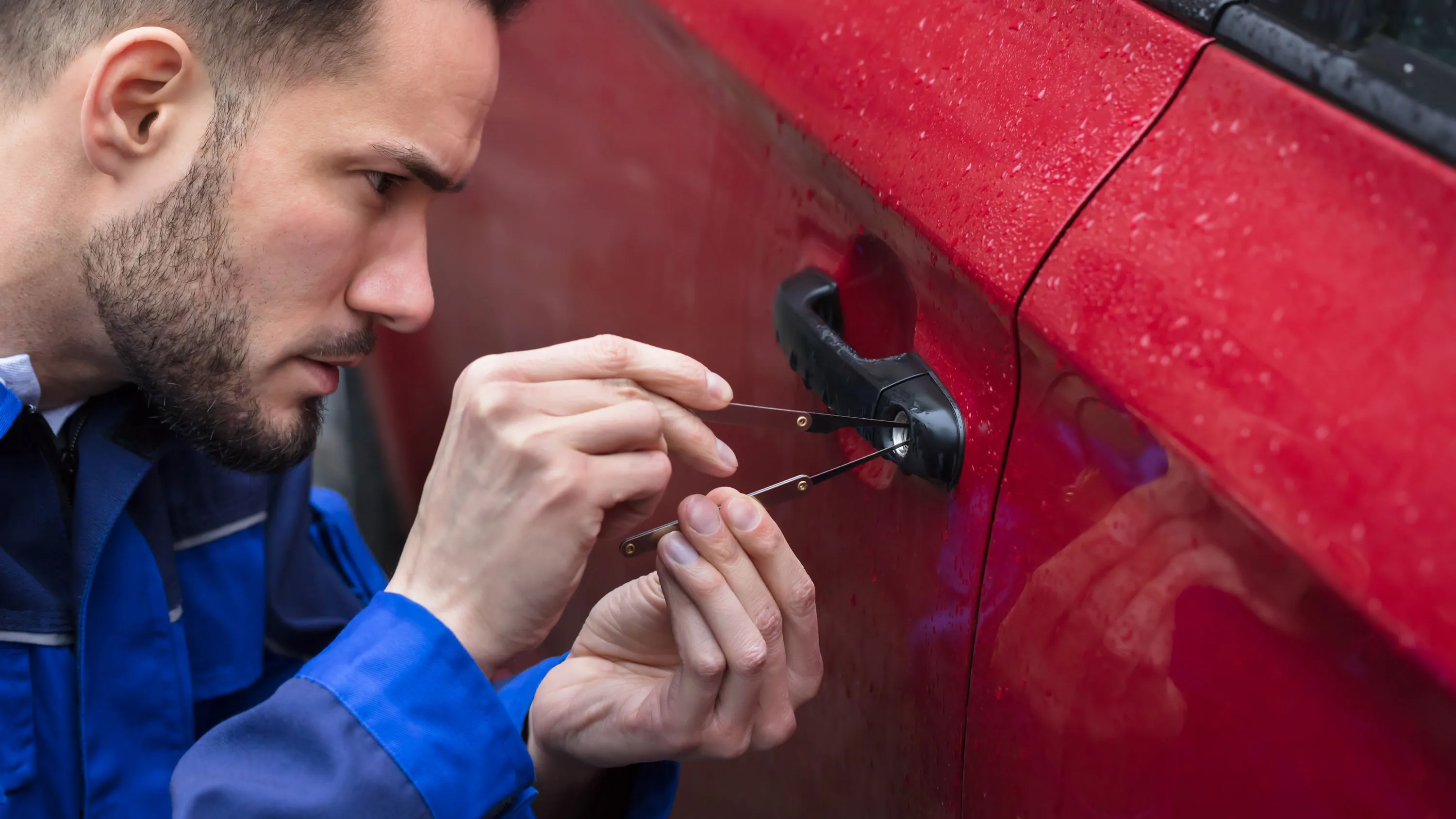
Unexpected vehicle problems can interrupt even the most carefully planned day. Drivers may discover that their keys are locked inside their cars, lose access to a key fob, or run out of fuel before reaching their destination. Knowing how to respond to these situations can help prevent unnecessary stress and reduce the risk of vehicle damage. A Car Lockout Service in Woodbridge, CT may help drivers regain access to a locked vehicle, while fuel-related roadside assistance can be useful when a car runs out of gas and cannot continue its journey. Understanding the available options allows motorists to make informed decisions during common roadside emergencies.
Common Reasons Drivers Get Locked Out of Their Vehicles
Vehicle lockouts can happen to experienced drivers as well as new motorists. Modern locking systems provide convenience and security, but certain situations can still leave drivers unable to access their vehicles.
1. Keys Left Inside the Car
One of the most common causes of a vehicle lockout is accidentally leaving the keys inside the car. This can happen while unloading groceries, placing items in the trunk, or briefly stepping away from the vehicle.
Some vehicles automatically lock their doors under particular conditions, while others may be locked manually before the driver realizes the keys are still inside.
Before taking any action, check whether another door or the trunk is accessible without forcing the lock. If all entry points are secured, professional assistance may be the safest option.
2. Lost or Misplaced Keys
Keys can be misplaced at home, at work, in a parking lot, or during a trip. Losing a key becomes especially inconvenient when the vehicle is parked far from home or when the driver needs to leave quickly.
Drivers should consider keeping a spare key in a secure, accessible location. For vehicles that use electronic keys, it is also useful to understand the manufacturer's replacement and programming procedures.
If no spare is available, a qualified automotive locksmith or suitable roadside provider may be able to help, depending on the vehicle's locking system.
3. Dead Key Fob Batteries
Many modern vehicles use electronic key fobs for unlocking doors and starting the engine. When the fob battery becomes weak or fails, the remote buttons may stop working.
Some vehicles include a hidden mechanical key or a designated method for starting the engine when the fob battery is depleted. The owner's manual explains the correct procedure for each model.
Drivers should avoid assuming that a nonresponsive key fob always means the vehicle itself has a problem. Replacing the fob battery may resolve the issue, although electronic faults or damaged keys may require further attention.
4. Faulty Door Locks or Electronic Systems
A damaged lock, faulty actuator, wiring issue, or malfunctioning security system can prevent a driver from entering a vehicle even when the correct key is available.
Repeatedly pulling on a handle or forcing a key into a lock may worsen the problem. If the lock appears damaged or the electronic system is unresponsive, professional inspection can help prevent further damage.
What to Do When You Are Locked Out of Your Car
A lockout can be frustrating, particularly in cold weather, during heavy rain, or when the vehicle is parked in an unfamiliar location. A calm, methodical approach can help drivers resolve the situation more safely.
Check All Accessible Entry Points
First, confirm that every door is locked and check whether the trunk can be opened normally. Avoid forcing doors or windows, as doing so may damage the vehicle's bodywork, glass, weather seals, or locking mechanism.
If a child, vulnerable person, or pet is trapped inside the vehicle and exposed to dangerous temperatures, treat the situation as urgent and contact emergency services immediately.
Locate a Spare Key
If a spare key is available nearby, arranging to have it delivered may be a simple solution. Some drivers keep a spare with a trusted household member or in another secure location.
Avoid hiding spare keys in obvious places around the vehicle, as this may compromise security.
Avoid Improvised Entry Methods
Using coat hangers, screwdrivers, or other improvised tools to unlock a vehicle can cause damage to the paint, window seals, wiring, and locking components. Modern vehicles may also contain side-impact airbags and sensitive electronic systems near door panels.
Professional unlocking methods are designed to reduce the likelihood of unnecessary damage. If the vehicle cannot be opened through an authorized method, seeking qualified help is generally preferable to experimenting with tools.
Verify Ownership When Requesting Help
A legitimate provider may ask for identification or evidence that the driver is authorized to access the vehicle. Having identification and vehicle documentation available can help establish authorization and prevent delays.
Drivers should also confirm the provider's estimated arrival time and pricing before agreeing to service.
Understanding Car Lockout Service Options
A Car Lockout Service in Woodbridge, CT can help an authorized driver regain access to a locked vehicle when the keys are inaccessible or the locking system is not responding.
The method used depends on the vehicle's make, model, age, and security features. Some vehicles have relatively straightforward mechanical locks, while others use advanced electronic systems that require specialized equipment.
How Professional Vehicle Unlocking Works?
A qualified provider assesses the vehicle and selects an appropriate unlocking method. The goal is to restore access while minimizing the risk of damage to the door, window, lock, or electronic components.
Certain vehicles may require specific tools or assistance from an automotive locksmith. If the key is lost rather than locked inside, unlocking the door may solve only part of the problem because a replacement key may still be necessary.
Drivers should explain whether the key is visible inside the vehicle, the key fob has stopped working, or the key has been lost entirely. This information helps the provider determine the appropriate next steps.
Factors That May Affect the Cost
The cost of vehicle unlocking can vary depending on the vehicle's security system, location, time of day, and complexity of the situation.
Before authorizing service, ask for a price estimate and clarify whether additional charges may apply. Some vehicles require specialized tools or more complex procedures, which can affect the overall cost.
Understanding the expected charges beforehand helps drivers make an informed decision without unnecessary surprises.
Why Running Out of Fuel Happens?
Fuel emergencies are another common reason drivers need roadside help. Even motorists who regularly monitor their fuel levels may occasionally misjudge the remaining distance, encounter unexpected traffic, or discover that a fuel gauge is not functioning correctly.
Understanding why fuel shortages occur can help drivers reduce the likelihood of becoming stranded.
1. Misjudging the Remaining Fuel
The estimated driving range displayed on a dashboard is an approximation rather than a guarantee. Fuel consumption can change according to traffic, speed, terrain, weather, vehicle load, and driving habits.
A journey that appears manageable based on the displayed range may require more fuel than expected, particularly during stop-and-go traffic or extended detours.
Drivers should refuel before the tank becomes nearly empty rather than relying entirely on the estimated remaining range.
2. Unexpected Traffic or Route Changes
Traffic congestion, road closures, construction, and detours can increase travel time and fuel consumption. A driver who expects a short journey may end up traveling considerably farther than planned.
Before longer trips, it is useful to identify fuel stations along the route and consider alternative stops if traffic or road conditions change.
3. Faulty Fuel Gauges
A malfunctioning fuel gauge or fuel-level sensor can provide inaccurate readings. A driver may believe the tank contains sufficient fuel when the actual level is much lower.
If the gauge behaves inconsistently, remains at one level, or changes unexpectedly, a qualified mechanic should inspect the system.
Ignoring repeated gauge problems can increase the risk of running out of fuel in an inconvenient or unsafe location.
What to Do If Your Vehicle Runs Out of Fuel?
Running out of gas can be especially stressful when it happens on a busy road or far from a fuel station. The priority should be to move away from immediate danger and arrange an appropriate solution.
Move to a Safe Location
If the engine begins losing power, steer toward a safe stopping area when possible. Activate the hazard lights and avoid stopping in a traffic lane if a safer location is accessible.
If the vehicle stops on a highway or another high-speed road, do not attempt to walk along active traffic lanes to reach a fuel station. Follow local road-safety guidance and contact appropriate roadside assistance.
Identify Your Exact Location
When requesting help, provide the road name, direction of travel, nearest exit, mile marker, or a recognizable landmark. A precise location can make it easier for a provider to find the vehicle.
If possible, use a mapping application to share the vehicle's location. Also explain whether the car is parked in a safe area, a parking lot, or a potentially hazardous roadside location.
Explain the Vehicle's Fuel Requirements
When arranging fuel assistance, provide the vehicle's make and model and specify the required fuel type if known. Using the wrong fuel can create significant mechanical problems, so this information is important.
If you suspect that the vehicle has been filled with the wrong fuel, do not start the engine. Seek professional guidance instead.
Understanding Fuel Delivery Service
A Fuel Delivery Service in Woodbridge, CT can help motorists who have run out of fuel and cannot reasonably reach a fuel station. Depending on the provider and circumstances, assistance may involve delivering a limited quantity of the appropriate fuel to the vehicle's location.
This option can be particularly useful when a vehicle is stranded in an unfamiliar area, a fuel station is not within safe walking distance, or the driver cannot leave the vehicle unattended.
How Fuel Delivery Works?
The driver provides their location, vehicle details, and fuel requirements when requesting assistance. The provider determines whether delivery is available and explains the expected arrival time and charges.
Once the appropriate fuel is delivered, the vehicle may be able to continue its journey, provided the fuel shortage was the only problem and the vehicle is otherwise safe to operate.
If the engine still does not start after fuel is added, the issue may involve the fuel system, battery, or another mechanical component. Further inspection may be required.
Why the Correct Fuel Type Matters?
Vehicles are designed to operate with particular fuel specifications. Gasoline and diesel are not interchangeable, and using the wrong type can damage components or require professional cleaning and repairs.
Drivers should consult the owner's manual or fuel-door label if they are unsure about the required fuel. If incorrect fuel has already been added, avoid starting the engine and contact a qualified professional.
Understanding Delivery Costs
Fuel delivery charges may depend on the distance, location, time of day, amount of fuel supplied, and provider policies. The cost may also differ from the price of purchasing fuel directly at a station.
Before confirming the service, ask about the total estimated charge and whether the delivered fuel is billed separately from the service fee. If insurance or a roadside membership is involved, check whether fuel delivery is included in the coverage.
How to Prevent Lockouts and Fuel Emergencies?
Simple habits can reduce the likelihood of both situations and make unexpected problems easier to manage.
Reduce the Risk of Vehicle Lockouts
-
Keep a spare key in a secure location.
-
Replace weak key fob batteries when warning signs appear.
-
Confirm that the keys are with you before closing the doors.
-
Learn how the vehicle's emergency key or backup entry system works.
-
Keep the manufacturer's instructions for electronic key systems accessible.
For vehicles with keyless entry, it is also useful to understand how automatic locking features operate. Avoid leaving the key fob inside the vehicle when the doors are closed.
Reduce the Risk of Running Out of Fuel
-
Refuel before the tank becomes nearly empty.
-
Plan fuel stops before long journeys.
-
Avoid relying exclusively on the dashboard's estimated range.
-
Monitor changes in fuel consumption.
-
Arrange an inspection if the fuel gauge appears inaccurate.
Drivers who travel through unfamiliar areas should also identify fuel stations along their route, particularly when driving late at night or through areas with fewer services.
Frequently Asked Questions
Can a car lockout service open any vehicle?
Not every vehicle can be opened using the same method. The appropriate procedure depends on the vehicle's security system, design, and condition. Some modern models require specialized equipment or an automotive locksmith.
What should I do if my key fob stops working?
Check the owner's manual for the recommended backup entry procedure. A depleted fob battery may be the cause, but a damaged key or vehicle electrical issue may require further diagnosis.
Can fuel be delivered if my car runs out of gas?
Fuel delivery may be available depending on the provider, location, and circumstances. Confirm the vehicle's fuel requirements, service availability, estimated arrival time, and total cost before arranging assistance.
Will adding fuel always make a vehicle start again?
No. If running out of fuel was the only issue, adding the correct fuel may allow the engine to start. However, a vehicle that continues to have starting problems may have another mechanical or electrical issue.
Does roadside assistance cover lockouts and fuel delivery?
Coverage depends on the insurance policy or membership plan. Some programs include lockout assistance or emergency fuel delivery, while others limit the service or charge additional fees. Check the policy details before assuming coverage is available.
Conclusion
Vehicle lockouts and fuel shortages are common inconveniences, but preparation and the right response can help drivers handle them more safely. Keeping spare keys secure, monitoring fuel levels, understanding vehicle-specific requirements, and knowing when to request professional assistance can reduce unnecessary stress. When a driver needs help accessing a locked vehicle or addressing an unexpected fuel shortage in the local area, M&S Towing is a provider motorists can consider for assistance in Woodbridge, Connecticut.