Understanding Tariffs and the America First Economic Strategy
By Mark Wilson
72 Views
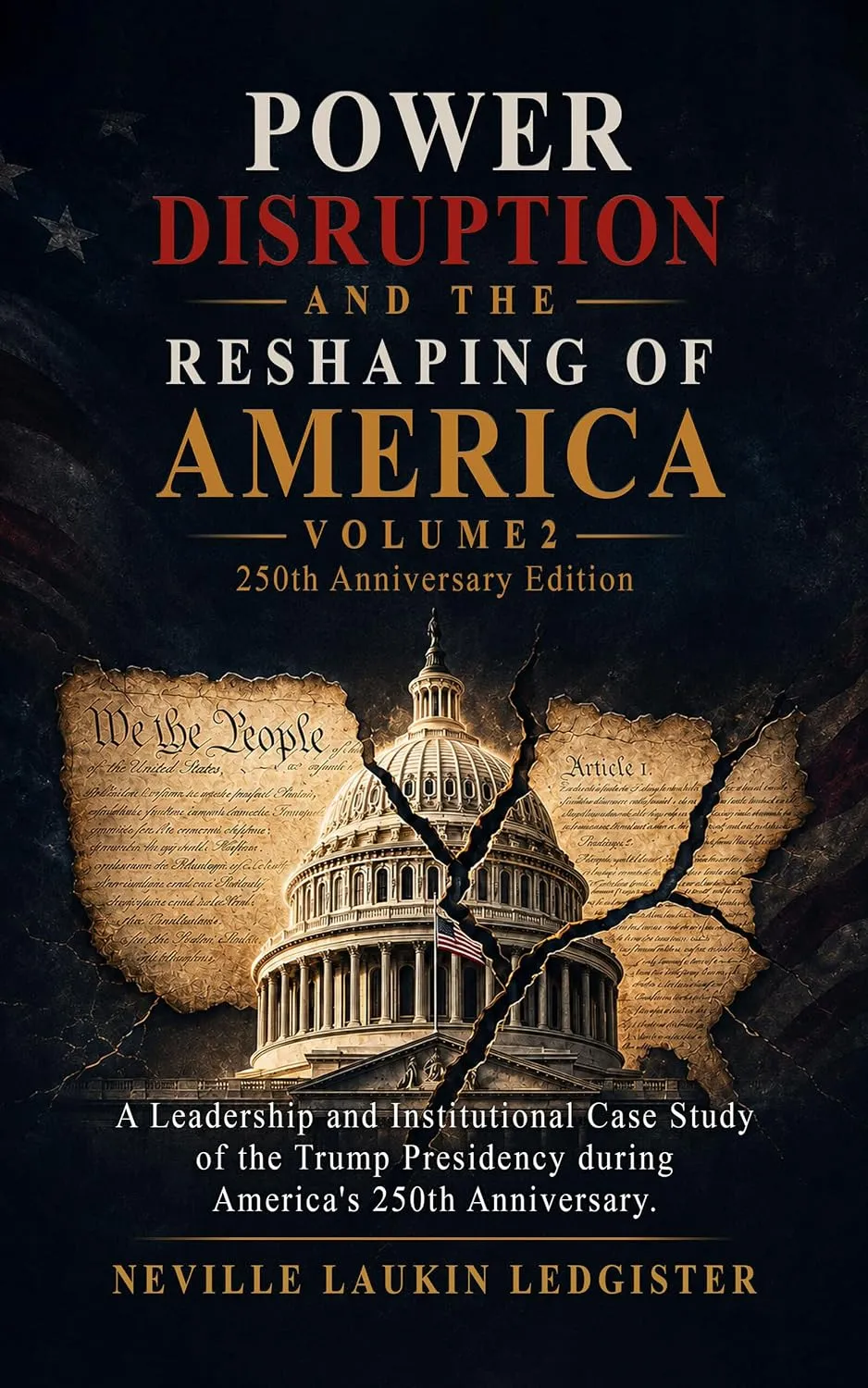
In Power, Disruption, and the Reshaping of America: Volume 2, Tariffs are presented as one of the defining instruments of the America First economic strategy. Rather than examining tariffs simply as taxes on imported goods, the book analyzes them as part of a broader economic philosophy that sought to reshape trade policy, strengthen domestic production, and redefine America's position within the global economy. Through political economy, institutional theory, and public policy analysis, the author evaluates both the objectives of this strategy and its broader economic consequences.
The discussion is grounded in documented policy developments and scholarly research rather than political commentary. Throughout the chapter, the author examines tariffs within a larger framework of economic governance, institutional decision-making, and executive leadership.
Understanding Tariffs in Economic Policy
The book explains that Tariffs serve as an economic policy instrument designed to influence international trade by increasing the cost of imported goods. According to the author, tariffs are intended to encourage domestic production while altering trade relationships between nations.
Rather than viewing tariffs as isolated economic measures, the chapter presents them as part of a comprehensive trade strategy. The administration's economic approach emphasized protecting domestic industries, reducing trade imbalances, and promoting national manufacturing capacity through revised trade policy.
This broader perspective allows readers to understand tariffs within the context of long-term economic planning.
The America First Economic Strategy
A central theme of the chapter is that tariffs formed an essential component of the America First economic strategy. The author explains that this approach placed national industry, domestic production, and economic sovereignty at the center of economic decision-making.
The book discusses how the administration's trade philosophy drew upon the work of Robert Lighthizer and Peter Navarro, whose contributions helped shape the broader economic framework examined throughout the chapter. Their perspectives are presented within the context of political economy rather than political advocacy.
According to the author, Tariffs became one of the primary policy tools used to advance these economic objectives.
Political Economy and Trade Policy
The chapter examines tariffs through the analytical framework of political economy. Rather than measuring trade policy solely through import and export statistics, the author evaluates how economic decisions influence institutions, industries, and national economic priorities.
Several policy themes discussed include:
● Domestic manufacturing
● International trade
● Economic sovereignty
● Trade relationships
● Industrial policy
By connecting tariffs with political economy, the book demonstrates that trade policy influences broader patterns of economic governance rather than isolated commercial transactions.
This institutional perspective remains consistent throughout the volume.
The Economic Consequences of Tariffs
An important part of the chapter examines the economic consequences associated with Tariffs. Rather than presenting a simple conclusion, the author evaluates how tariff policy affected different sectors of the economy.
The discussion considers the distribution of economic costs and benefits across industries, businesses, and consumers. According to the analysis, economic outcomes vary depending upon the sector being examined, making comprehensive evaluation essential when assessing trade policy.
The chapter therefore encourages readers to examine tariffs through documented economic evidence instead of general assumptions.
Liberation Day and Policy Evaluation
The book includes a detailed discussion titled "Liberation Day and Its Aftermath: The Data," where the author reviews the implementation of tariff policies using economic evidence.
Rather than relying on broad political claims, the chapter evaluates available data to examine how the tariff strategy developed and what consequences followed its implementation. This evidence-based approach reflects the scholarly methodology used throughout the volume.
The author emphasizes that policy evaluation requires careful examination of documented outcomes rather than ideological interpretation.
Institutional Governance and Economic Leadership
Institutional theory also plays an important role in the chapter. The book explains that economic policy is implemented through institutions responsible for trade, commerce, and public administration.
Executive leadership establishes policy priorities, while administrative institutions carry out implementation through established governmental processes. The discussion demonstrates that Tariffs involve institutional governance as well as economic decision-making.
This institutional analysis helps readers understand how trade policy becomes part of broader public administration and economic governance.
Leadership and Economic Decision-Making
Leadership remains a consistent theme throughout Power, Disruption, and the Reshaping of America: Volume 2. The author explains that executive leadership influences economic strategy by establishing priorities that guide public policy and institutional implementation.
Rather than evaluating leadership solely through economic outcomes, the chapter examines how executive decision-making shapes long-term economic governance. This broader perspective connects political economy with leadership studies and institutional theory.
The analysis reinforces the volume's emphasis on constitutional governance, institutional development, and evidence-based policy evaluation.
Key Themes Examined in the Chapter
● Tariffs
● Political economy
● America First economic strategy
● Domestic manufacturing
● International trade
● Economic sovereignty
● Institutional governance
● Executive leadership
Together, these themes explain how trade policy is examined through economic analysis and institutional scholarship.
Conclusion
Power, Disruption, and the Reshaping of America: Volume 2 presents Tariffs as a central component of the America First economic strategy. Through political economy, institutional theory, leadership studies, and public policy analysis, the author examines how tariff policy influenced trade relationships, domestic manufacturing, and economic governance.
Rather than approaching the subject through political advocacy, the book analyzes Tariffs using documented policy developments, economic evidence, and institutional scholarship. By examining trade policy alongside leadership, public administration, and political economy, the volume provides readers with a balanced and evidence-based understanding of one of the most significant economic strategies in contemporary American governance.
Related Reading
Why Lifestyle & Culture is Transforming the Global Industry Landscape
Welcome to our in-depth exploration of Lifestyle & Culture. In an era define...
Expert Insights: Navigating the Complex World of Lifestyle & Culture
Welcome to our in-depth exploration of Lifestyle & Culture. In an era define...