Understanding Rodent Nesting Habits and Preventing Household Infestations
13 Views
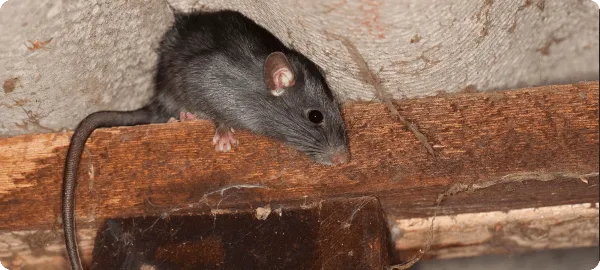
Rodents can settle inside homes when they find quiet nesting areas, accessible food and suitable entry points. Rats Pest Control Perth helps property owners understand rodent behaviour and recognise the early signs of unwanted activity. For households experiencing recurring problems, rat pest control Ellenbrook can be a relevant consideration when assessing ways to manage rodents and reduce the risk of further infestation.
Where Do Rodents Usually Build Their Nests?
Rats prefer sheltered locations where they can remain undisturbed and access food sources. Roof cavities, wall spaces, garages, sheds and areas behind stored belongings can provide suitable hiding places. Outdoors, rodents may shelter beneath dense vegetation, garden debris or materials stored close to buildings.
Mice can also establish nests in cupboards, storage boxes and other confined spaces. They may use shredded paper, fabric and cardboard to create nesting materials. Because these locations are often hidden from view, property owners may not notice a problem until droppings, damaged items or unusual sounds appear.
Checking rarely used spaces regularly can help identify potential nesting activity before it spreads to other parts of the property.
Why Rodents Keep Returning to the Same Property
Once rodents discover reliable food and shelter, they may continue visiting the same location. Open rubbish bins, uncovered compost, pet food and poorly stored pantry products can provide convenient food sources. Water from leaking pipes or outdoor containers may also make an area more attractive.
Structural conditions can contribute to repeated activity. Small gaps around service pipes, damaged vents and openings beneath doors may allow rodents to move between outdoor and indoor spaces. If these access points remain open, removing visible rodents may not prevent others from entering.
Property owners should therefore consider both the rodents themselves and the conditions that allow them to remain nearby.
Recognising the Warning Signs Early
Rodent activity can leave several clues throughout a building. Common signs include droppings, gnawed packaging, shredded nesting materials and scratching noises inside walls or ceilings. Damaged insulation and unusual smells in enclosed spaces may also require investigation.
The location of these signs can provide useful information about rodent movement. For example, repeated droppings near food storage areas may indicate that rodents are travelling through the kitchen or pantry.
Avoid touching droppings or nests with bare hands. Appropriate precautions should be taken when cleaning affected areas to minimise exposure to potentially contaminated dust.
Practical Ways to Discourage Rodent Nesting
Maintaining a clean environment can reduce the availability of food and nesting materials. Store pantry products in sealed containers, clean food preparation surfaces regularly and dispose of rubbish in secure bins. Keep pet food properly stored and remove uneaten food when possible.
Outside, trim vegetation away from walls, clear accumulated garden debris and organise storage areas. Avoid stacking unnecessary materials against exterior walls, as clutter can provide sheltered spaces for rodents.
Inspect the building for openings around windows, doors, pipes and vents. Seal suitable gaps using durable materials while ensuring essential ventilation remains unobstructed.
For properties requiring rodent exterminator services, professional assessment can help identify nesting areas and determine which control measures are appropriate. The recommended approach may involve targeted trapping, suitable baiting and practical changes to the property environment.
Why Consistent Monitoring Matters
Rodent prevention is an ongoing process. Even after an infestation has been addressed, accessible food, concealed nesting sites and unrepaired entry points can create conditions for renewed activity. Periodic inspections can help property owners identify these risks before they become significant.
For households seeking mice control Perth, monitoring for small droppings, damaged packaging and gaps around building fixtures can be especially useful. Mice can use narrow openings to enter indoor spaces, making careful inspection an important part of prevention.
Creating a Less Attractive Environment for Rodents
Understanding rodent nesting habits allows homeowners to make informed decisions about property maintenance and hygiene. Regular cleaning, secure food storage, waste management and timely repairs can reduce the opportunities rodents have to settle indoors.
When signs of activity persist, seeking appropriate professional advice can help establish the source of the problem and guide suitable next steps. Combining early detection with consistent preventative measures supports a cleaner, better-maintained and more secure property.
Related Reading
Top 10 Hidden Secrets About Business & Finance You Need to Know
Welcome to our in-depth exploration of Business & Finance. In an era defined...
Why Business & Finance is Transforming the Global Industry Landscape
Welcome to our in-depth exploration of Business & Finance. In an era defined...