Understanding Electronic Vaping Devices and Their Features
By nitegi1
31 Views
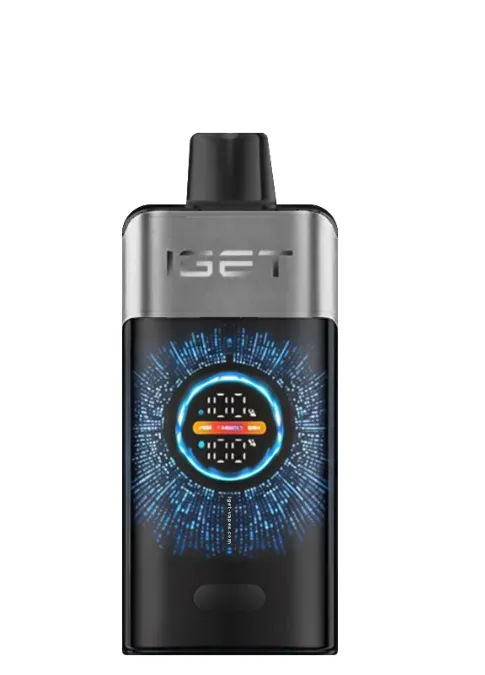
Electronic vaping devices are battery-powered products designed to heat a liquid and produce an aerosol. They are commonly discussed in relation to technology, product design, ingredients, and public health. iget vapes is a name associated with electronic vaping products that are part of the wider vaping industry. Understanding these devices requires looking at their general construction, how their components work, and what substances may be present in their liquids. Product descriptions can vary, so accurate information should come from reliable sources and manufacturer documentation. A neutral overview focuses on factual details rather than presenting vaping as harmless or encouraging its use.
General Information About Electronic Devices
Electronic vaping products contain several components that work together within a compact device. These may include a battery, heating element, liquid container, and electronic controls. iget one is a product name associated with this category of electronic devices. Different models may have different exterior designs and technical specifications. Their descriptions can include information about battery capacity, materials, packaging, and other product characteristics. These details explain how manufacturers present their products, but they do not establish that a device is safe. Understanding the distinction between technical specifications and health information is important when examining vaping products objectively.
Ingredients and Aerosol Composition
Vaping liquids may contain several ingredients, including propylene glycol, vegetable glycerin, flavouring substances, and nicotine. Not every product contains the same combination, and ingredient information can differ between manufacturers. When a device heats its liquid, it produces an aerosol rather than harmless water vapour. This aerosol may contain substances that can affect the respiratory system. The exact composition depends on the liquid, device, and operating conditions. Reading ingredient information can provide useful context, although product labels may not explain every substance that could be present in the resulting aerosol.
Understanding Potential Health Concerns
Nicotine is an addictive substance that can affect brain development, particularly during adolescence. Exposure may also influence attention, learning, and mood. Vaping aerosols can contain substances that irritate the lungs and airways. Long-term effects are still being studied, so uncertainty should not be interpreted as evidence of safety. Health organisations generally advise young people and people who do not use tobacco products to avoid vaping. Understanding these concerns is an important part of discussing electronic vaping devices. Health information should be considered separately from advertising language and product specifications.
Product Information and Responsible Awareness
When reading about electronic vaping products, it is useful to distinguish factual product information from promotional claims. Manufacturer details, ingredient disclosures, electrical specifications, and applicable regulations provide different types of information. A device's appearance or technical description cannot confirm its health effects. Public discussions about vaping often involve technology, regulation, nicotine exposure, and environmental waste from disposable electronics. A balanced understanding considers these subjects together. Reliable health information and transparent product documentation help readers evaluate the topic without relying on unsupported statements or assumptions.
Related Reading
Why Lifestyle & Culture is Transforming the Global Industry Landscape
Welcome to our in-depth exploration of Lifestyle & Culture. In an era define...
Expert Insights: Navigating the Complex World of Lifestyle & Culture
Welcome to our in-depth exploration of Lifestyle & Culture. In an era define...