Understanding CPVC Pipe Cost: A Complete Guide to Quality, Pricing, and Performance
By Anz Waters
16 Views
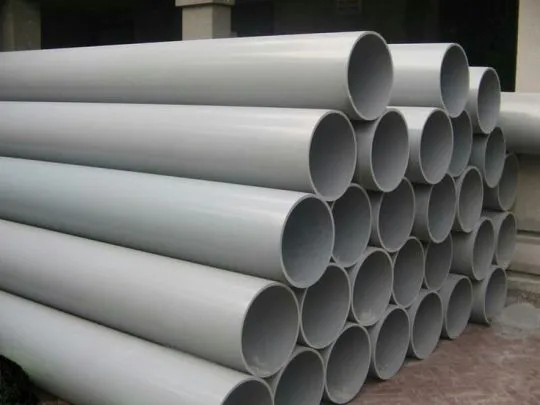
When planning a plumbing or industrial piping project, choosing the right piping material is an important decision. The quality of the pipes directly affects the system's durability, maintenance requirements, and overall performance. Among the different piping materials available today, CPVC (Chlorinated Polyvinyl Chloride) has become a popular choice because of its excellent temperature resistance, corrosion protection, and long service life. Understanding CPVC pipe cost is therefore essential for anyone planning a residential, commercial, or industrial piping installation.
However, the cost of CPVC pipes is not determined by a single factor. Pipe dimensions, pressure ratings, manufacturing quality, application requirements, and installation conditions all influence the final investment. By understanding these factors, buyers can make informed decisions and select piping solutions that offer long-term value.
What Is CPVC Piping?
CPVC stands for Chlorinated Polyvinyl Chloride, a thermoplastic material designed to handle demanding piping applications. It is manufactured by adding chlorine to PVC, which improves its ability to withstand higher temperatures.
CPVC pipes are widely used in hot and cold water distribution systems, industrial processing facilities, chemical handling applications, and other environments where reliable fluid transportation is required.
One of the biggest advantages of CPVC is its resistance to corrosion and scaling. Unlike traditional metal pipes, CPVC does not rust, making it a practical option for systems where water quality and long-term reliability are important considerations.
Factors That Influence CPVC Pipe Cost
If you are researching CPVC pipe cost, it is important to understand why prices can vary between suppliers and product specifications.
1. Pipe Diameter and Dimensions
Pipe diameter is one of the primary factors affecting pricing. Larger-diameter pipes generally require more raw material during manufacturing, which can increase their cost. Wall thickness and pipe dimensions also influence the final price.
Before purchasing, it is important to identify the required diameter and specifications based on the project's design.
2. Pressure Rating
Different piping systems operate under different pressure conditions. CPVC pipes are available in various pressure ratings to suit specific applications.
Pipes designed to handle higher operating pressures may have different material and dimensional requirements, which can influence their cost.
3. Material Quality and Manufacturing Standards
The quality of raw materials and manufacturing processes plays an important role in determining the performance and price of CPVC pipes.
Products manufactured according to relevant industry standards can provide better consistency, reliability, and durability. Choosing quality-certified materials helps reduce the possibility of premature failures and unnecessary maintenance.
4. Application Requirements
The intended application also affects the overall cost. A residential water supply system may require different pipe specifications compared with an industrial chemical distribution network.
Industrial projects often involve additional requirements related to temperature resistance, chemical compatibility, pressure conditions, and system design.
5. Quantity and Project Size
The total quantity required for a project can influence procurement costs. Large industrial projects may benefit from bulk purchasing arrangements, while smaller requirements may have different pricing structures.
Transportation, storage, and delivery location can also contribute to the overall project budget.
Why CPVC Pipes Are Worth Considering
Although the initial purchase price is important, buyers should also consider the long-term benefits of CPVC piping.
One major advantage is corrosion resistance. Metal piping systems can experience rust and deterioration over time, especially when exposed to unsuitable environmental or operating conditions. CPVC offers excellent resistance to corrosion, helping maintain system reliability.
Another benefit is temperature resistance. CPVC can be used in applications involving hot water and other suitable high-temperature fluid systems, provided the operating conditions remain within the manufacturer's specifications.
Its lightweight construction also makes handling and transportation easier. Compared with many traditional metal piping materials, CPVC pipes can be easier to install, potentially reducing labour requirements.
Additionally, their smooth internal surface supports efficient fluid flow and helps reduce scaling under suitable operating conditions.
CPVC Pipe Cost vs. Long-Term Value
When comparing different piping materials, focusing only on the initial purchase price may not provide a complete picture.
A low-cost piping product might appear attractive initially, but poor material quality, unsuitable specifications, or frequent maintenance can increase expenses over time.
CPVC offers a balance between performance, durability, and maintenance requirements. Its corrosion-resistant properties can help reduce certain maintenance concerns, while its lightweight nature can simplify installation.
For industrial facilities, selecting the correct piping material can also help minimise operational interruptions. This makes it important to evaluate the total lifecycle cost rather than considering only the price per metre or pipe section.
Common Applications of CPVC Pipes
CPVC piping is used across several industries because of its versatile performance characteristics.
In residential and commercial buildings, it is commonly used for hot and cold water distribution systems. Its temperature resistance makes it suitable for applications where conventional PVC may not meet the required operating conditions.
In industrial facilities, CPVC pipes are used in selected chemical processing and fluid transportation systems. Their chemical resistance makes them useful for handling compatible fluids in demanding environments.
They may also be incorporated into water treatment plants, manufacturing facilities, and industrial infrastructure projects.
However, chemical compatibility should always be verified before selecting CPVC for a specific application.
How to Choose the Right CPVC Pipe Supplier
Finding the right supplier is just as important as understanding CPVC pipe cost. A dependable supplier should offer products that meet the technical requirements of the intended application.
Start by checking product specifications, including pipe dimensions, pressure ratings, temperature limitations, and applicable manufacturing standards.
It is also important to consider the supplier's industry experience and ability to support project-specific requirements. Technical assistance can be valuable when selecting piping materials for complex industrial installations.
Reliable product availability, proper documentation, and consistent quality are additional factors worth considering.
Working with an experienced piping solutions provider can make procurement easier and help ensure that the selected materials are appropriate for the project.
Why Proper Planning Matters Before Purchasing CPVC Pipes
Before finalising an order, prepare a detailed assessment of the piping system. Identify the required pipe sizes, operating pressure, fluid characteristics, temperature range, and installation environment.
Consulting with technical professionals can help prevent incorrect material selection. It also allows project planners to estimate material quantities more accurately and avoid unnecessary purchases.
A properly designed piping system can improve installation efficiency and support dependable long-term operation.
Explore CPVC Pipeline Solutions with ANZ Waters
For businesses searching for dependable industrial piping solutions, selecting an experienced provider can simplify the process. ANZ Waters offers solutions related to thermoplastic piping systems and industrial applications.
Whether you are evaluating CPVC pipeline requirements, comparing material specifications, or planning an industrial piping installation, understanding the technical requirements is essential before making a purchasing decision.
You can explore the available solutions through the ANZ Waters CPVC Pipeline Systems page to learn more about CPVC piping applications and related products.
Final Thoughts
Understanding CPVC pipe cost involves more than comparing prices from different suppliers. Pipe dimensions, pressure ratings, material quality, application requirements, and installation expenses all contribute to the final project investment.
CPVC remains a practical choice for many residential, commercial, and industrial piping applications because of its corrosion resistance, temperature capabilities, lightweight construction, and long-term performance.
By choosing the correct specifications and working with a reliable supplier, businesses can develop piping systems that meet their operational needs while maintaining better control over project costs.
Related Reading
Top 10 Hidden Secrets About Business & Finance You Need to Know
Welcome to our in-depth exploration of Business & Finance. In an era defined...
Why Business & Finance is Transforming the Global Industry Landscape
Welcome to our in-depth exploration of Business & Finance. In an era defined...