Understanding Breast Augmentation Expectations
By royal clinic
95 Views
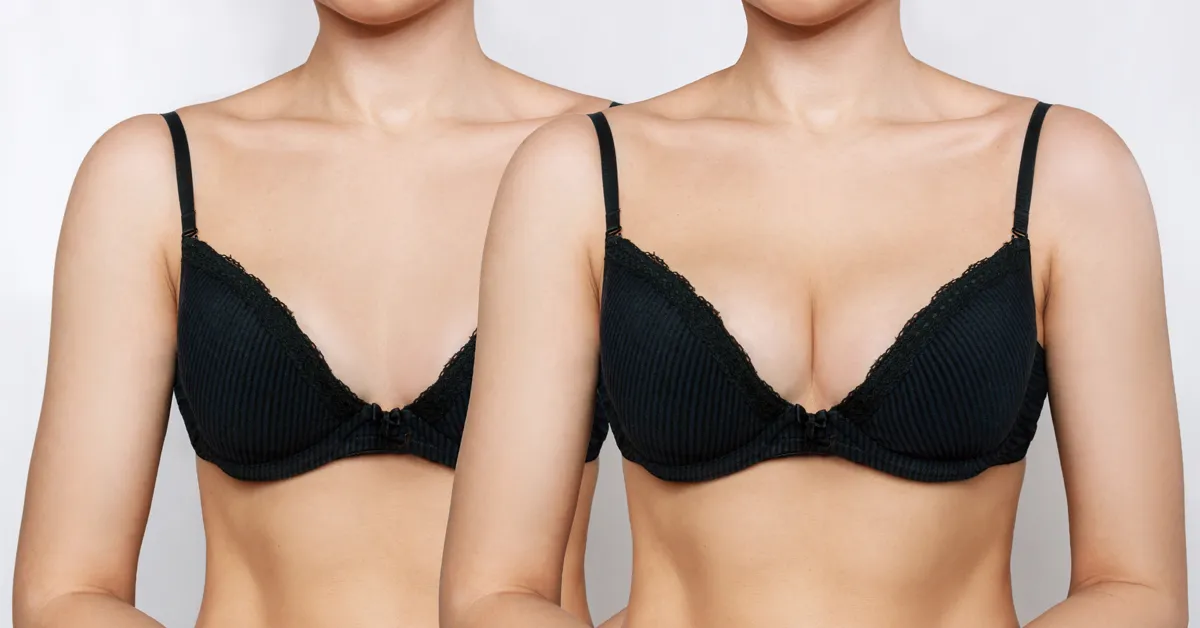
Choosing breast augmentation is a personal decision that involves more than selecting an implant size. It is about understanding what the procedure can realistically achieve, how your existing breast shape may influence the outcome, and what the recovery process involves. Having clear expectations before surgery can make the entire experience more informed and comfortable.
Breast Augmentation in Dubai is a cosmetic procedure designed to enhance breast volume and improve overall breast proportions. Depending on individual anatomy and treatment goals, augmentation may involve implants or, in selected cases, fat transfer. The appropriate approach is determined during a consultation after assessing factors such as breast tissue, chest width, skin elasticity, body proportions, and desired changes.
Patients should understand that cosmetic surgery is not intended to create identical results for everyone. Two people choosing a similar implant volume may have noticeably different outcomes because their starting anatomy is different. Implant position, breast shape, skin quality, and natural asymmetry can all influence the final appearance.
A realistic consultation should therefore focus on proportion rather than simply requesting a particular cup size. A qualified plastic surgeon can explain what is achievable while discussing potential risks, limitations, recovery expectations, and the possibility of future implant-related procedures.
What Can Breast Augmentation Achieve?
The primary purpose of augmentation is to increase breast volume and create a more balanced appearance. Some patients want a subtle enhancement, while others prefer a more noticeable change.
The procedure may help address naturally small breasts, changes in breast volume after pregnancy or weight fluctuations, or differences in breast size. However, augmentation alone does not necessarily correct significant sagging. Patients with considerable breast ptosis may require a breast lift alongside augmentation to achieve the desired contour.
The final appearance also depends on implant characteristics and placement. Implant size, shape, profile, and position are selected according to the patient's anatomy and aesthetic goals rather than using a single approach for everyone.
Understanding Natural Breast Proportions
One of the most important expectations to establish is proportion. A larger implant is not automatically a better implant, and selecting an excessive size may create an appearance that does not complement the patient's frame.
Surgeons typically evaluate the width of the breast and chest, available soft-tissue coverage, skin elasticity, and the relationship between the breasts and the rest of the body. These considerations help guide implant selection.
Natural asymmetry should also be discussed. Most people have some degree of difference between their breasts before surgery. Augmentation can improve asymmetry in many cases, but perfectly identical breasts are not always realistic.
Dynamic Life Clinic
Dynamic Life Clinic can be considered by patients researching cosmetic breast enhancement and seeking an individualized approach to treatment planning. A consultation should provide an opportunity to discuss the desired level of enhancement, available surgical techniques, and factors that may affect the final contour.
For someone considering Breast Augmentation, understanding the relationship between implant selection and individual anatomy is particularly important. Patients can use the consultation to discuss expectations, potential limitations, and the type of result they hope to achieve.
Tajmeels Clinic
Tajmeels Clinic is another option for patients exploring aesthetic and cosmetic procedures. When evaluating a clinic for breast surgery, patients should look beyond photographs and focus on the qualifications and experience of the surgeon performing the procedure.
A detailed assessment can help determine whether augmentation alone is appropriate or whether another procedure may be better suited to the patient's anatomy. Discussing implant dimensions, placement, incision options, and expected recovery can also help patients make a more informed decision.
BROWZ
BROWZ may also be included in a patient's research when comparing aesthetic care options. A useful consultation should focus on whether the clinic can provide appropriate surgical assessment and access to qualified professionals for the procedure under consideration.
Patients should arrive prepared to explain their preferred aesthetic outcome rather than relying solely on a reference photograph. A surgeon can then determine how closely that preference can be achieved based on existing breast tissue, body proportions, and skin characteristics.
Dr. Adnan Tahir
Dr. Adnan Tahir is another name patients may encounter while researching breast enhancement options. When considering an individual surgeon, it is important to review relevant qualifications, experience with breast procedures, surgical approach, and the standards of the facility where surgery would take place.
A consultation should be two-way. Patients should be able to discuss concerns about implant size, symmetry, scarring, recovery, and long-term considerations while receiving clear information about what is realistically achievable.
Enfield Royal Clinic
Enfield Royal Clinic can be considered by individuals seeking a structured consultation for cosmetic breast enhancement. During a consultation, patients can discuss their aesthetic objectives while having their anatomy assessed to determine an appropriate surgical plan.
For those considering Breast Augmentation, the discussion should cover implant selection, proportions, surgical technique, recovery expectations, potential complications, and realistic outcomes. The goal should be an individualized plan rather than simply choosing the largest or most noticeable implant.
Patients should also feel comfortable asking about the surgeon's qualifications, surgical experience, facility standards, and follow-up arrangements before making a decision.
How to Choose the Right Clinic for Breast Augmentation
Experience and Qualifications
The surgeon's qualifications and specific experience with breast procedures should be among the first considerations. Patients should verify that the procedure will be performed by an appropriately qualified specialist and ask about experience with the technique being considered.
Technology and Techniques
Modern surgical planning can involve different implant designs, placement approaches, and assessment methods. The most suitable technique depends on anatomy rather than trends. Patients should ask why a particular approach has been recommended and what alternatives may exist.
Safety Standards
Safety should remain a priority throughout the process. Patients should understand where surgery will take place, what type of anesthesia will be used, how potential complications are managed, and what medical support is available if concerns arise.
Consultation Process
A thorough consultation should involve more than selecting an implant size. The surgeon should assess breast anatomy, discuss medical and surgical history, explain available options, and provide realistic information about potential benefits and risks.
Patient Experience
Communication is an important part of cosmetic surgery. Patients should feel able to ask questions without pressure and should receive understandable information about preparation, surgery, recovery, and follow-up.
Expected Results
Patients should understand that the initial appearance may not represent the final result. Swelling, changes in tissue tension, and the healing process can affect breast shape during the early recovery period.
What Is Recovery Like?
Recovery varies from person to person and depends on the surgical technique, implant placement, individual healing, and the nature of the procedure. Temporary swelling, tightness, bruising, and discomfort can occur after surgery.
Patients are generally given specific instructions regarding physical activity, medication, wound care, and follow-up appointments. Returning to strenuous exercise or other demanding activities should be based on the surgeon's advice rather than a fixed timetable.
It is also important to understand that breast implants are not necessarily lifetime devices. Although many implants can remain in place for many years, future monitoring or additional surgery may become necessary because of complications, changes in breast tissue, aging, or personal preferences.
Frequently Asked Questions
Is breast augmentation suitable for everyone?
No. Suitability depends on factors such as overall health, breast anatomy, expectations, medical history, and individual goals. A qualified surgeon can determine whether augmentation is appropriate after an assessment.
Can breast augmentation correct breast asymmetry?
It can improve certain forms of asymmetry, but complete symmetry is not always possible. The surgeon may recommend different implant sizes or another technique depending on the underlying difference between the breasts.
Will the results look natural?
The appearance depends on implant characteristics, placement, soft-tissue coverage, breast anatomy, and the amount of augmentation. Discussing the desired degree of enhancement during consultation can help establish realistic expectations.
How long do breast implants last?
Breast implants are not generally considered lifetime devices. Some remain suitable for many years, while others may eventually require monitoring, replacement, or removal. Follow-up recommendations should be discussed with the treating surgeon.
Is a breast lift sometimes needed with augmentation?
Yes. If there is significant breast sagging, augmentation alone may not provide the desired shape. A breast lift may be considered alongside augmentation to reposition and reshape the breast tissue.
Conclusion
Understanding what can and cannot be achieved is one of the most important parts of planning cosmetic breast surgery. Breast Augmentation can enhance volume and improve breast proportions, but the final result is influenced by anatomy, implant selection, surgical technique, healing, and individual expectations.
Rather than choosing a procedure based solely on a desired cup size or photograph, patients should seek a detailed consultation with a qualified surgeon. Comparing credentials, safety standards, surgical experience, communication, and follow-up care can help patients make a more confident and informed decision.