Turmeric Soap for Dry Skin: How to Cleanse Without Over-Drying
By Arun Ahirwar
14 Views
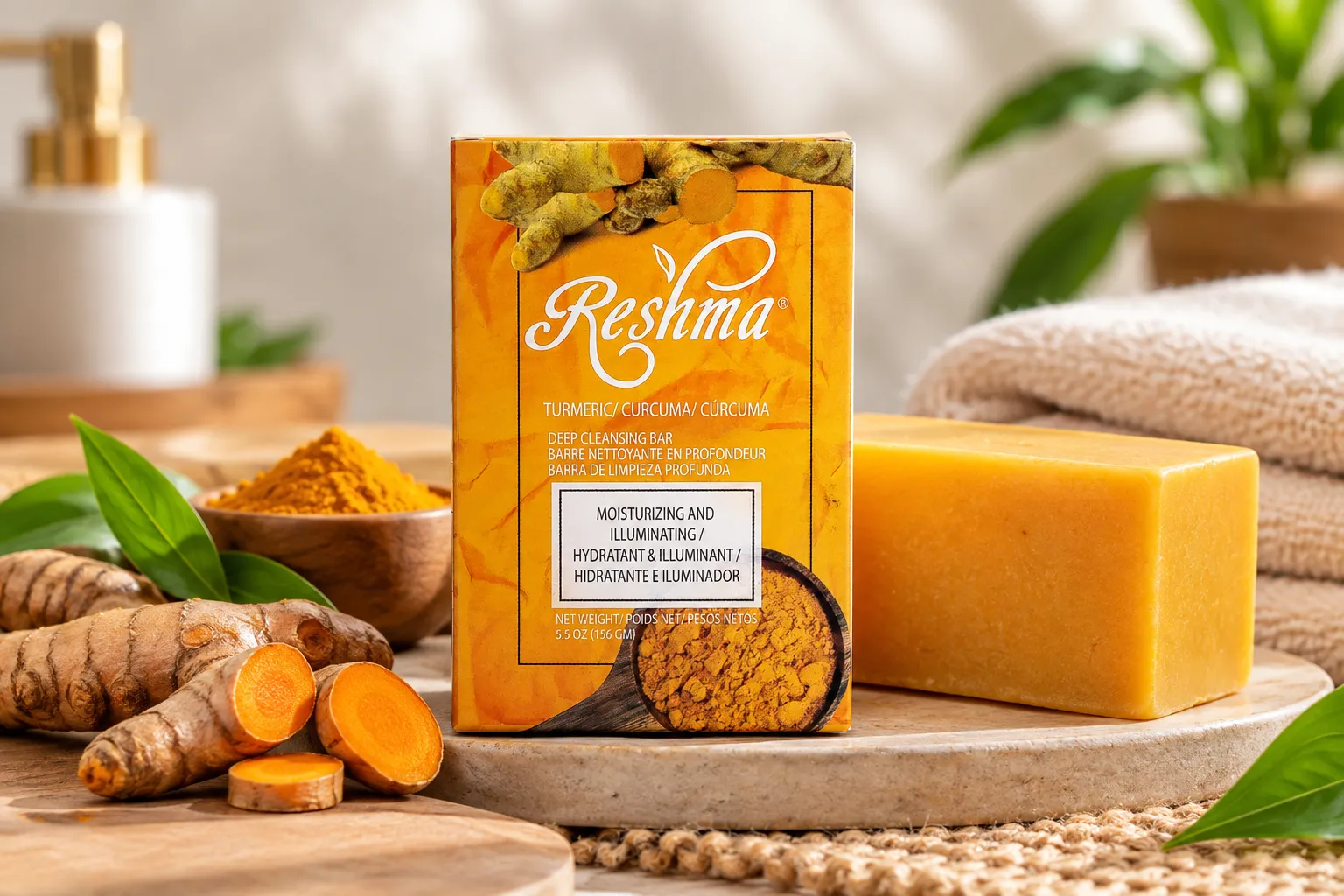
Dry skin needs special attention, especially when it comes to cleansing. While cleansing is essential for removing dirt, sweat, excess oil, and everyday impurities, using the wrong product or washing too often can leave dry skin feeling tight, rough, or uncomfortable. This is why choosing a cleanser that works well with your skin type is an important part of a balanced skincare routine.
Turmeric soap has become a popular choice for people looking to bring the traditional benefits of turmeric into their everyday skincare routine. Turmeric has a long history of use in beauty and personal care, and today it can be found in soaps, face washes, scrubs, masks, lotions, and other skincare products.
However, if you have dry skin, simply choosing a turmeric soap is not enough. How you use it can make a significant difference. From water temperature to cleansing frequency, small changes can help you cleanse effectively without making your skin feel excessively dry.
Here is what you should know about using turmeric soap for dry skin.
Why Does Dry Skin Need Gentle Cleansing?
Healthy-looking skin depends on maintaining an effective moisture barrier. This outer layer helps the skin hold onto moisture while protecting it from environmental factors.
When skin is naturally dry, its ability to retain moisture may already be limited. Harsh cleansing, very hot water, excessive exfoliation, and frequent washing can remove too much of the skin's natural oil. As a result, the skin may feel tight, flaky, rough, or uncomfortable after cleansing.
This does not mean people with dry skin should avoid cleansing. Instead, the goal should be to remove everyday buildup while being gentle with the skin.
A suitable cleansing routine should leave your skin feeling fresh and comfortable rather than extremely tight or "squeaky clean."
Why Consider Turmeric Soap for Dry Skin?
Turmeric is widely recognized as a traditional skincare ingredient. Its naturally occurring compounds, including curcumin, have made turmeric an ingredient of interest in modern cosmetic formulations.
A well-formulated turmeric soap can provide a convenient way to include turmeric in a regular cleansing routine. Depending on the complete formula, it may help cleanse away dirt, sweat, and surface impurities while supporting a fresh and healthy-looking appearance.
For people with dry skin, however, the entire soap formula matters. A soap should not be considered suitable for dry skin simply because it contains turmeric. Other ingredients, the cleansing base, fragrance, and how the product is used can all affect how your skin feels afterward.
Look at turmeric as one part of the overall formula rather than the only factor that determines whether a soap is right for your skin.
How to Use Turmeric Soap Without Over-Drying Your Skin
If you have dry skin, technique matters just as much as product selection. The following steps can make cleansing more comfortable.
1. Use Lukewarm Water
A very hot shower may feel relaxing, but hot water can leave already-dry skin feeling even drier. Instead, use lukewarm water when cleansing your face or body.
Wet your skin gently before applying the soap. Lukewarm water is usually sufficient to help with cleansing without exposing the skin to unnecessary heat.
You should also avoid spending too long under hot water, particularly if your skin frequently feels tight after bathing.
2. Create a Gentle Lather
You do not need a large amount of soap to cleanse your skin effectively.
Wet the turmeric soap and work it into a light lather between your hands. You can then gently apply the lather to your skin.
Avoid aggressively rubbing the soap bar directly over dry or sensitive areas. Using your hands gives you better control over how much pressure and product you apply.
3. Do Not Scrub Too Hard
People sometimes assume that stronger scrubbing results in cleaner skin. In reality, aggressive rubbing can be especially uncomfortable for dry skin.
Massage the lather gently over your skin using your fingertips or palms. Avoid using rough brushes, harsh scrubbing tools, or abrasive washcloths every time you cleanse.
If you also use an exfoliating product, pay attention to how frequently you exfoliate. Combining frequent exfoliation with regular cleansing may be too much for some dry skin types.
4. Keep Cleansing Time Reasonable
Leaving a cleansing soap on the skin for a long period does not necessarily make it more effective.
Turmeric soap is primarily a cleansing product, so use it according to the product instructions and rinse it away thoroughly. Unless the manufacturer specifically instructs otherwise, there is generally no need to leave soap sitting on your skin for an extended period.
A simple cleanse, rinse, and moisturize routine is often easier to maintain and more suitable for dry skin.
5. Rinse Thoroughly
After cleansing, rinse your skin thoroughly with lukewarm water.
Make sure no visible soap or lather remains, especially around areas such as the hairline, jawline, neck, elbows, and skin folds.
Once you have finished rinsing, avoid rubbing your skin aggressively with a towel. Instead, gently pat it dry with a clean, soft towel.
Moisturize Soon After Cleansing
This is one of the most important steps for anyone with dry skin.
After cleansing with turmeric soap, apply a moisturizer while your skin is still slightly damp. Moisturizers can help reduce water loss and support a softer, smoother skin feel.
Look for a moisturizer designed for your skin type. Depending on your needs, formulas containing ingredients such as glycerin, hyaluronic acid, ceramides, squalane, or suitable plant-derived oils may be useful for supporting skin hydration.
For very dry body skin, a richer cream or body lotion may feel more comfortable than a lightweight formula.
The basic routine can remain simple:
Cleanse → gently pat dry → moisturize.
Consistency with these basic steps can often be more valuable than creating an overly complicated routine.
How Often Should You Use Turmeric Soap on Dry Skin?
There is no single cleansing frequency that works for everyone.
How often you should use turmeric soap depends on your skin, the product formulation, the area where you are using it, your environment, and the rest of your skincare routine.
If you are introducing a new turmeric soap, start gradually and observe how your skin responds. If your skin remains comfortable, you can continue according to the product directions and your normal cleansing needs.
If your skin starts feeling unusually tight, rough, flaky, itchy, or irritated after washing, consider reducing how often you use the product.
Remember that more cleansing does not automatically mean better skin.
What Should You Look for in a Turmeric Soap for Dry Skin?
When shopping for turmeric soap, do not focus only on the word "turmeric" on the packaging. Check the complete ingredient list and product description.
A formula intended for gentle cleansing may be preferable for dry skin. Depending on the formulation, ingredients that support a moisturized skin feel can also make the cleansing experience more comfortable.
Be particularly careful if your skin is sensitive to fragrances or certain botanical ingredients. Natural ingredients can still cause sensitivity in some people, so "natural" does not automatically mean suitable for every skin type.
When trying a new product, performing a patch test first can be a sensible precaution, particularly if you have sensitive or reactive skin.
Common Mistakes to Avoid
Even a suitable turmeric soap can leave your skin feeling dry if your cleansing habits are too aggressive.
One common mistake is washing with very hot water. Another is cleansing the same area too frequently because you expect faster skincare results. Scrubbing aggressively, using several exfoliating products together, skipping moisturizer, and frequently changing skincare products can also make it difficult to understand what your skin actually tolerates.
It is also important to have realistic expectations. Turmeric soap is a rinse-off skincare product. It should be viewed as one step within a broader skincare routine rather than a solution for every skin concern.
Can You Use Turmeric Soap on Your Face and Body?
This depends on the specific product.
Some turmeric soaps are formulated for both face and body use, while others may be intended primarily for the body. Facial skin can be more sensitive than skin on areas such as the arms and legs, so always check the manufacturer's usage instructions.
If a turmeric soap is suitable for facial use, start cautiously and monitor how your skin feels after cleansing.
For the body, pay extra attention to areas that tend to become particularly dry, such as the elbows, knees, hands, and lower legs. Applying moisturizer after bathing can help keep these areas feeling softer and more comfortable.
Pay Attention to What Your Skin Is Telling You
Your skin can provide useful clues about whether your cleansing routine is working.
After cleansing, dry skin should ideally feel clean and comfortable. Persistent tightness, burning, redness, itching, or increased flaking may indicate that the product, cleansing frequency, water temperature, or another part of your routine needs to be adjusted.
If irritation is persistent or severe, stop using the product and consider consulting a dermatologist or another qualified healthcare professional.
Final Thoughts
Turmeric soap can be a simple way to incorporate turmeric into your daily skincare routine, but people with dry skin need to be thoughtful about how they cleanse. The goal should not be to remove every trace of natural oil from the skin. Instead, cleansing should remove everyday impurities while helping your skin remain comfortable.
Use lukewarm rather than very hot water, avoid aggressive scrubbing, keep your cleansing routine gentle, and apply moisturizer soon after washing. Most importantly, pay attention to your skin's response rather than assuming that using more product will produce better results.
With the right turmeric soap and gentle cleansing habits, you can maintain clean, fresh-looking skin without unnecessarily contributing to dryness. A simple, consistent routine that respects your skin's moisture needs is often the best place to start.