Trees by Forrest | Hazardous Tree Removal for Safer Properties
By Aadam
10 Views
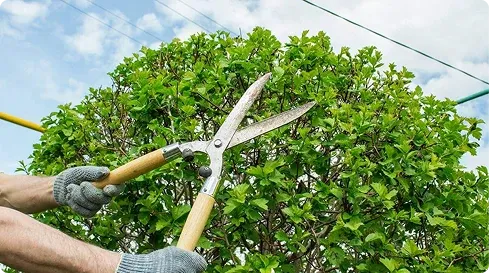
Trees can add shade, beauty, privacy, and character to a residential landscape, but damaged or unstable trees can become serious safety concerns. Weak branches, structural defects, disease, decay, or root problems may increase the chance of a tree failing unexpectedly. Recognizing these warning signs early can help homeowners protect people, buildings, vehicles, and outdoor spaces.
Trees by Forrest provides professional hazardous tree removal for trees that have become unsafe or pose a potential threat to surrounding property. Careful assessment and planned removal can help reduce risks while keeping the landscape more manageable and secure.
When Hazardous Tree Removal May Be Necessary
A tree may require removal when its condition creates an unacceptable safety risk. Significant trunk cracks, extensive decay, large dead branches, severe leaning, exposed roots, or major storm damage can all indicate potential instability. Trees located close to homes, driveways, fences, or frequently used areas may require particular attention.
Not every damaged tree needs to be removed, which is why professional evaluation can be valuable. An experienced tree professional can consider the tree's structure, location, condition, and surrounding environment before recommending removal or another suitable form of tree care.
Common Signs of a Hazardous Tree
Homeowners may notice several visible signs that suggest a tree could be becoming unsafe. Changes can develop gradually, making routine observation important. Cracked limbs, dead sections, cavities, fungal growth, unusual leaning, and damaged bark may indicate underlying structural concerns.
Other warning signs can occur below ground or within the trunk and may not always be easy to identify. Some trees can appear healthy from a distance while having compromised roots or internal decay. Professional assessment can help identify concerns that may otherwise go unnoticed.
How Storms Can Create Tree Hazards
Strong winds, heavy rain, lightning, and severe weather can quickly change the condition of a tree. Branches may break, trunks can split, and roots may become unstable after saturated soil or strong wind movement. A tree that survived a storm may still have hidden damage that increases the possibility of future failure.
After severe weather, homeowners should be cautious around damaged trees and avoid attempting to climb or cut unstable branches. Professional hazardous tree removal can provide a safer approach when a tree has suffered major structural damage or presents an immediate threat to the property.
Risks of Leaving a Dangerous Tree Standing
Leaving a hazardous tree untreated can expose a property to continuing risk. Weak branches may fall during future wind, while a compromised trunk or root system may eventually cause the entire tree to fail. Damage could affect roofs, vehicles, fences, landscaping, walkways, or other nearby structures.
The risk can be greater when a tree is positioned close to areas where people regularly spend time. Addressing serious tree hazards early can help homeowners reduce potential problems and maintain a safer outdoor environment.
Hazardous Trees Near Homes and Structures
Trees growing close to buildings require careful consideration when they develop structural problems. A falling branch or tree can cause substantial damage to roofs, siding, windows, garages, fences, and other structures. Limited space around a building can also make removal more complex.
Professional tree removal takes the surrounding property into account when planning the work. Trees by Forrest focuses on controlled removal and careful handling to help minimize unnecessary impact on nearby structures and landscaping.
Why Professional Tree Removal Is Important
Removing a hazardous tree is not simply a matter of cutting through the trunk. Damaged trees can behave unpredictably, particularly when branches are under tension or the root system has been compromised. Incorrect cutting techniques can increase the chance of falling debris, property damage, or personal injury.
Professional tree care allows the condition and position of the tree to be considered before work begins. Proper equipment, experience, and removal planning can help manage difficult situations more safely and efficiently than an unplanned DIY approach.
What Happens During Hazardous Tree Removal
The removal process generally begins with an evaluation of the tree and the surrounding area. Factors such as tree size, structural condition, lean, nearby buildings, overhead hazards, ground conditions, and available working space can influence the safest removal method.
Once a plan is established, damaged sections or branches may be removed in stages before the main portion of the tree is handled. After the tree has been removed, branches and other debris can be cleared to help restore the affected area and make the property easier to use.
Preventing Future Tree Hazards
Regular tree care can help homeowners identify developing problems before they become urgent. Pruning damaged or dead branches, monitoring tree health, and arranging professional assessments when concerns appear can all support better landscape management.
Homeowners should pay attention to sudden changes in tree appearance, especially after severe weather. Early attention to cracks, leaning, deadwood, root exposure, or declining growth may provide an opportunity to address a problem before it develops into a more serious safety concern.
Choosing Trees by Forrest for Hazardous Tree Removal
When a tree presents a serious safety concern, homeowners need dependable professionals who understand the importance of careful planning. Trees by Forrest provides tree care focused on safety, responsible removal, and maintaining healthier residential landscapes.
Whether a tree has been damaged by a storm, weakened by decay, developed structural problems, or become unsafe because of its location, professional hazardous tree removal can help reduce risks. Trees by Forrest works to provide practical solutions for homeowners who need their outdoor spaces made safer and more manageable.
Conclusion
Hazardous trees can develop for many reasons, including storms, disease, decay, structural weakness, root problems, or natural decline. Ignoring warning signs may increase the potential for falling branches or tree failure, especially when the tree is close to buildings and frequently used areas.
Trees by Forrest provides professional hazardous tree removal to help homeowners address unsafe trees with careful planning and experienced tree care. Removing a dangerous tree when necessary can help protect property, improve outdoor safety, and support a healthier overall landscape.
Related Reading
Top 10 Hidden Secrets About Business & Finance You Need to Know
Welcome to our in-depth exploration of Business & Finance. In an era defined...
Why Business & Finance is Transforming the Global Industry Landscape
Welcome to our in-depth exploration of Business & Finance. In an era defined...