Trade Show Booth Design USA: What Changes From Las Vegas to Orlando to Chicago
8 Views
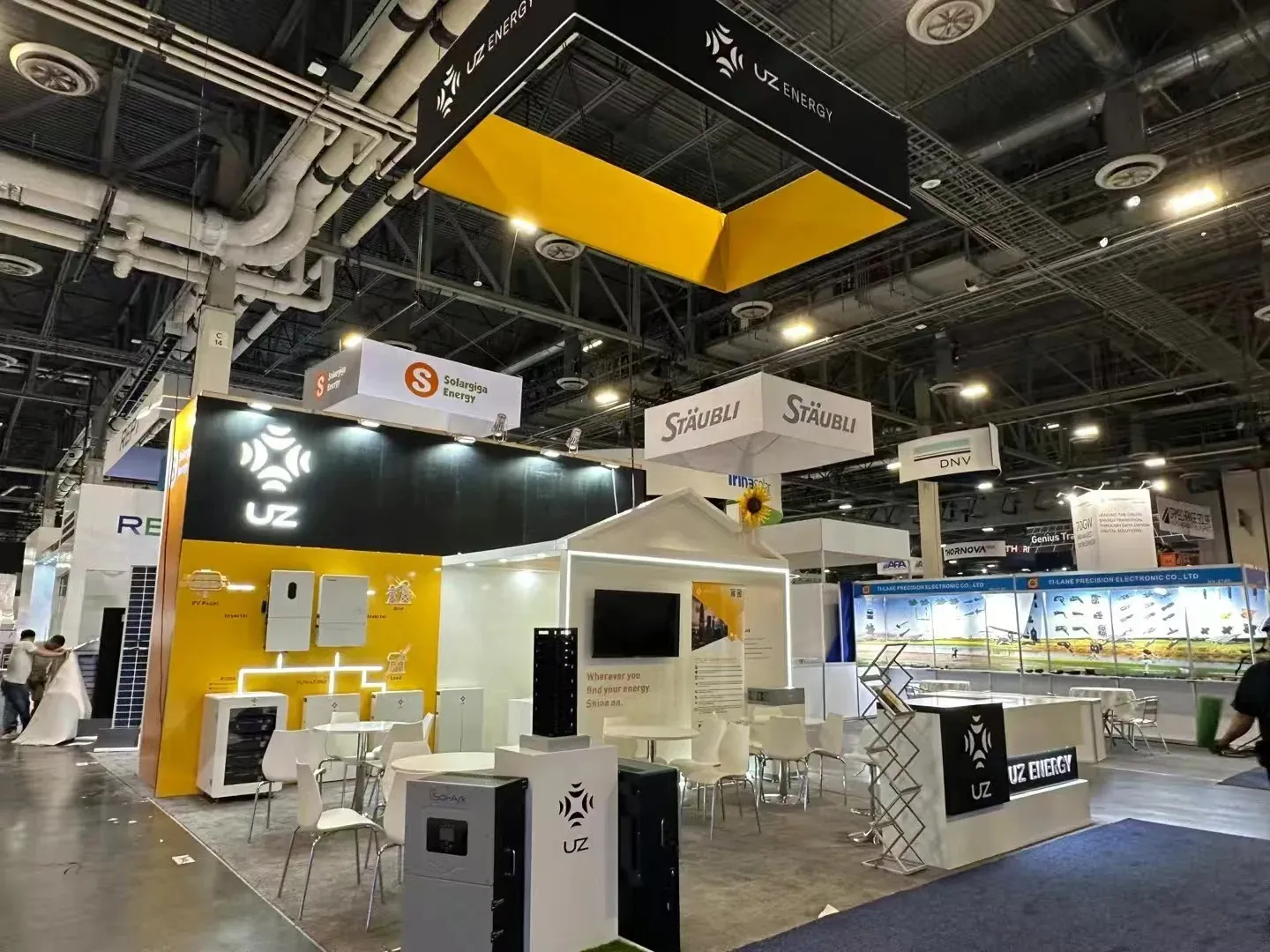
Picture the scene. A marketing manager has spent months on a booth. The design is approved, the graphics are printed and the crates are on a truck. Then, a week before the show, an email arrives: the hanging sign is two feet over the height limit, the lighting plan needs a different power order and one of the wall materials needs paperwork nobody ordered.
Nobody did anything careless. The booth was designed for a show, and the venue had its own rules.
That's the quiet truth behind trade show booth design USA exhibitors deal with. The same booth can be perfectly fine in one hall and need changes in another. This article looks at what tends to shift as shows move from Las Vegas to Orlando to Chicago, and why the surprises almost always come from the same four areas: height, rigging, power and materials.
Read this first: this is a general guide to patterns exhibitors commonly run into, not a rulebook. Venue and show rules change, vary by hall and by show, and sometimes differ from year to year. No city name here should be read as a rule. The only reliable source is the exhibitor manual and the show's official service providers, so treat everything below as a list of questions to ask. No prices are quoted.
Why the same booth behaves differently in different cities
A show floor has three layers of rules, and they stack:
1. The venue. Each convention center has its own policies on building, safety, loading and labor.
2. The show organizer. Each show adds its own layout, height and booth-type rules, such as inline, corner, peninsula or island.
3. The city and local codes. Fire and safety requirements, and local labor practices, can apply on top.
A design that satisfies one layer can trip over another. Exhibitors who plan for all three tend to have a calmer move-in. Those who check only the show's booth-size sheet tend to find out the rest late.
The four areas where surprises happen
1. Height
Most shows limit how tall a booth can be, and the limits often depend on booth type and location on the floor. Island booths commonly get more height freedom than inline booths, and there may be rules about what can sit near a neighbor's boundary. Hanging signs and overhead elements are often governed by separate rules from the booth walls.
What trips people up: designing to a height that applies to a different booth type, or forgetting that signs, trusses and lighting count.
Ask: What's the maximum height for my booth type and location? Does it include hanging signs and lighting? Are there back-wall or sightline rules toward neighbors?
2. Rigging and hanging signs
Hanging a sign above a booth is a popular way to be seen across a big hall. It's also one of the most rule-heavy parts of exhibiting. Rigging is generally arranged through the venue's or show's official provider, with deadlines, weight limits and approved methods.
What trips people up: assuming the booth builder can simply hang a sign on the day, or ordering too late to get the planned position.
Ask: Is overhead rigging allowed for my booth? Who performs it? What are the weight, height and order-by deadlines?
3. Power
Electricity on a show floor is typically ordered, not just plugged in. Exhibitors usually order power through an official provider, and the amount, outlet type and hours can all affect charges and deadlines. LED walls, interactive demos and heavy lighting raise the load.
What trips people up: adding screens or lighting late in the design without updating the power order.
Ask: How much power does my booth need? What's the order deadline? Is power available overhead or only from the floor, and is a separate order needed for data?
4. Materials
Venues and organizers can set requirements for flame-resistant materials, flooring, hazardous or heavy items and structural elements. Some booth types, particularly multi-level builds, may need extra review.
What trips people up: choosing finishes or fabrics without checking whether documentation or treatment is required.
Ask: Are there material or fire-safety requirements? What paperwork, if any, do I need to show? Do double-deck or enclosed designs need extra approval?
City by city: what to expect to ask about
Rather than listing "the rules" for each city, which change, here's how exhibitors tend to experience each market and what to double-check. Treat these as starting points for questions, not facts about any specific hall.
Las Vegas
Las Vegas hosts a very large number of major shows, so its venues are built to handle large, complex exhibits, and many service providers there work with big custom builds all the time. That familiarity is useful, but it also means busy calendars. Move-in windows can be tight, with several shows loading at once, and ordering deadlines matter.
Worth checking: install and dismantle schedules, loading dock times, and how early orders for power and rigging need to be placed.
Orlando
Orlando venues are known for large halls and a heavy schedule of industry shows. Exhibitors traveling in from other states often rely on shipping, so freight timing and advance warehouse options become central. Planning shipments around the venue's receiving windows is the main task.
Worth checking: freight and receiving deadlines, advance warehouse options, and whether your booth needs any on-site assembly support.
Chicago
Chicago is one of the biggest exhibition cities in the country, and its venues serve very large shows. Exhibitors often find that labor and installation rules are an important part of planning there: who is allowed to assemble what, and in which windows. Rules like these can differ from what an exhibitor is used to in other cities.
Worth checking: installation and dismantle labor rules, whether exhibitors can do some of the work themselves, and any overtime windows.
Again, none of this replaces the exhibitor manual. It's a guide to which questions to ask when you open it.
What this means for your booth design
A flexible booth is more forgiving across cities. Some design habits help:
· Design to the tightest rule first. If your booth meets the strictest height or weight requirement among your shows, it's easier to reuse.
· Make overhead elements optional. A hanging sign that can be swapped for a floor-standing or wall-mounted feature gives you a fallback.
· Plan power with headroom. Count every screen, light and demo, then add a little margin and confirm it.
· Choose materials you can document. Keep spec sheets and treatment records handy.
· Build modularly. A booth that adapts in height, footprint and configuration handles different booth types and spaces.
· Keep a freight plan per show. Crates, timing and labor needs can differ.
This is what separates a booth that happens to look good from a trade show booth stand that works across the whole calendar.
Where exhibitors get caught: a quick list
- Designing to a height that applies to a different booth type
- Ordering rigging after deadlines
- Adding screens without updating the power order
- Assuming materials are fine without checking requirements
- Treating the move-in schedule as flexible
- Letting design and build teams work separately, so nobody owns the rules
- Not reading the exhibitor manual until the week of the show
Choosing among trade show booth companies
If you're comparing trade show booth companies, experience with different venues is a legitimate thing to ask about. A few questions that help:
1. Which venues have you built for? Ask about the ones on your calendar, and what they learned from each.
2. Who checks the design against venue and show rules? It should be a named person, not "we'll take care of it."
3. How do you handle rigging, power and material requirements? Look for specifics about deadlines and documentation.
4. Who's on site during install? Know who solves problems on move-in day.
5. How do you adapt a booth for different venues? Ask about modular and reusable options.
6. Is pricing itemized, and what's outside the quote? Show services are often billed separately.
Specific answers matter more than a long client list.
A rough planning timeline
A guide that exhibitors and builders commonly use. Yours may differ, and the exhibitor manual sets the real deadlines.
|
When |
Focus |
|
4 to 6 months out |
Read the exhibitor manual for each show; note height, rigging, power and material rules |
|
3 to 4 months out |
Finalize design against those rules; ask the builder to confirm in writing |
|
8 to 12 weeks out |
Place orders for rigging, power and services as early as discounts allow |
|
4 to 6 weeks out |
Confirm freight, labor and install schedules; finalize graphics |
|
1 to 2 weeks out |
Final checks on documents, shipping and on-site contacts |
The bottom line
Exhibition booth design USA exhibitors face isn't one standard. It's a patchwork of venue, organizer and city requirements, and the booth that works beautifully in one hall may need adjustments in another. The surprises tend to cluster around height, rigging, power and materials, and the fix is simple but unglamorous: read the manual early, design to the strictest rule and ask your builder to confirm compliance in writing.
Do that, and the email a week before the show is a routine confirmation instead of a scramble.
Related Reading
Top 10 Hidden Secrets About Business & Finance You Need to Know
Welcome to our in-depth exploration of Business & Finance. In an era defined...
Why Business & Finance is Transforming the Global Industry Landscape
Welcome to our in-depth exploration of Business & Finance. In an era defined...