Towing Service in NJ: A Complete Guide for Drivers
By Mj Fast
30 Views
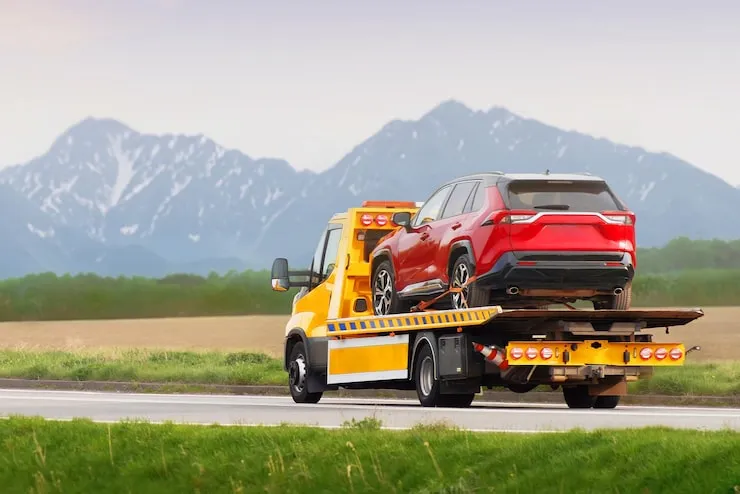
Getting stranded on the side of the road can be stressful, especially when you are unsure what to do next. A flat tire, dead battery, mechanical failure, collision, or empty fuel tank can quickly turn an ordinary drive into an unexpected problem. Knowing when and how to arrange professional towing can help you handle the situation calmly and safely.
A reliable Towing Service in NJ can provide assistance when your vehicle cannot safely continue its journey. Professional towing companies use the appropriate equipment and techniques to move cars, SUVs, trucks, and other vehicles to a safer location, repair facility, dealership, or another destination. Understanding how towing works and what to expect can make roadside emergencies much easier to manage.
When Do You Need a Towing Service?
Not every roadside problem requires a tow, but there are situations where continuing to drive can put you, your passengers, or your vehicle at greater risk. If your vehicle has suffered a major mechanical failure, has been involved in an accident, or cannot be safely operated, arranging professional towing is often the practical choice.
For example, an engine problem may cause your vehicle to lose power while driving, while severe overheating can result in additional damage if you continue operating the vehicle. Similarly, driving a car with significant collision damage may be unsafe even if it still starts. A tow allows the vehicle to be transported without adding unnecessary wear or creating another roadside hazard.
Common Reasons Drivers Call for Towing
Roadside emergencies can happen unexpectedly, regardless of how carefully you maintain your vehicle. Some problems are minor, while others require immediate transportation to a repair facility.
Common situations that may require towing include:
- Vehicle breakdowns: Mechanical or electrical failures can leave a vehicle unable to move.
- Accidents: Damaged vehicles may need to be transported away from the accident scene.
- Flat tires: A damaged tire or lack of a usable spare can make driving unsafe.
- Dead batteries: If a jump-start is unsuccessful, towing may be necessary.
- Overheating: Continuing to drive an overheating vehicle can cause serious engine damage.
- Lockouts: Depending on the circumstances, roadside assistance may help you regain access to your vehicle.
- Fuel-related problems: Running out of fuel can leave drivers stranded in inconvenient locations.
- Vehicle recovery: A vehicle stuck in a difficult position may require specialized recovery equipment.
Knowing the reason for the tow can also help the towing company determine what equipment and vehicle type are appropriate for the job.
What Happens When You Request a Tow?
When you contact a towing company, the first step is usually providing important information about your situation. The dispatcher may ask for your location, vehicle type, condition, and the reason you need assistance. Clear information helps the company understand what kind of service is required.
Once the details are confirmed, a suitable tow truck can be sent to your location. When the driver arrives, they can assess the vehicle and determine the safest way to load and transport it. Depending on the vehicle and circumstances, different towing methods may be used to reduce the risk of damage during transportation.
Types of Towing Services Drivers May Need
Different vehicles and roadside situations require different towing approaches. A professional towing company should have equipment suitable for the vehicles it regularly handles and the types of situations it serves.
Some common towing options include flatbed towing, wheel-lift towing, and specialized vehicle recovery. Flatbed trucks can carry the entire vehicle on a level platform, while wheel-lift equipment raises part of the vehicle from the road. The appropriate method depends on factors such as the vehicle's size, condition, drivetrain, and location.
For certain situations, specialized equipment may also be needed. Larger vehicles, vehicles involved in accidents, or vehicles located in difficult positions can require additional recovery capabilities. Providing accurate information when requesting service helps the towing provider prepare appropriately.
How to Stay Safe While Waiting for a Tow
Safety should be your first priority when your vehicle becomes disabled. If possible, move your vehicle to a safe location away from active traffic. Turn on your hazard lights so other drivers can see you, particularly at night or during poor weather.
While waiting, avoid standing directly in traffic lanes or near moving vehicles. If your vehicle is in a dangerous position, remain inside with your seat belt fastened when doing so is safer than exiting. Keep your phone available so you can communicate with the towing provider if your location changes or additional information is needed.
How to Prepare for a Towing Company
Being prepared before an emergency happens can save valuable time. Keep important vehicle information readily available, including the make, model, and approximate condition of your vehicle. It is also helpful to know your location or nearby landmarks when contacting a towing provider.
Before requesting service, consider asking about the estimated arrival time, towing destination, available services, and payment options. If your vehicle has special requirements, such as all-wheel drive or unusual size, mention them in advance. This information can help the towing company send the appropriate equipment.
Tips for Choosing a Towing Company in NJ
Choosing a towing provider is easier when you know what to look for. During an emergency, drivers may feel pressured to accept the first available option, but taking a moment to confirm important details can help avoid unnecessary complications.
Consider these factors when selecting a towing company:
- Service availability: Look for a provider that serves your area and offers assistance when you need it.
- Clear communication: The company should explain the service and provide useful information about the process.
- Appropriate equipment: Make sure the provider can safely handle your vehicle type.
- Professional service: Experienced operators should prioritize safe loading, transportation, and unloading.
- Transparent pricing: Ask about towing charges and any additional fees before service whenever possible.
- Destination options: Confirm whether your vehicle can be taken to your preferred repair shop or another suitable location.
A company that communicates clearly and understands your situation can make an already stressful experience much easier to manage.
Why Professional Towing Matters
Towing a vehicle is more than simply attaching it to a truck and driving away. Improper towing techniques can potentially cause additional vehicle damage, particularly when the vehicle has a damaged drivetrain, steering system, suspension, or body.
Professional towing operators have experience handling different roadside situations and can use equipment designed for safe vehicle transportation. They can also assess the situation before moving the vehicle, helping determine the appropriate towing method.
Professional service is particularly important after an accident or when a vehicle is located in a difficult position. Attempting to move a damaged vehicle without the proper equipment can create additional safety risks.
Preparing Your Vehicle for Future Roadside Emergencies
Although you cannot prevent every breakdown, regular vehicle maintenance can reduce the likelihood of unexpected problems. Follow the manufacturer's recommended maintenance schedule and pay attention to warning lights, unusual sounds, fluid leaks, or changes in vehicle performance.
It is also useful to keep a roadside emergency kit in your vehicle. Basic supplies such as a flashlight, reflective items, phone charger, first-aid supplies, and other emergency equipment can be valuable while waiting for assistance. Keeping your insurance and roadside assistance information accessible can also save time during an emergency.
Conclusion
Vehicle problems can happen without warning, but being prepared can make a roadside emergency much easier to handle. Understanding when towing is necessary, knowing how to stay safe, and choosing a professional provider can help protect both you and your vehicle.
Whether you are dealing with a breakdown, accident, flat tire, overheating issue, or another situation that prevents your vehicle from safely continuing, professional towing provides a practical way to move your vehicle to a secure destination. By keeping important information available and knowing what to expect, New Jersey drivers can approach unexpected roadside situations with greater confidence.
FAQs
How do I know if my vehicle needs to be towed?
If your vehicle cannot be driven safely because of mechanical failure, accident damage, overheating, or another serious problem, towing may be the safest option. When in doubt, avoid driving a potentially damaged vehicle and request professional assistance.
What information should I provide when calling a towing company?
Provide your exact or nearby location, vehicle make and model, the reason you need assistance, and information about the vehicle's condition. Mention if the vehicle is damaged, stuck, unusually large, or has any special towing requirements.
Can a towing company take my vehicle to the repair shop of my choice?
In many cases, towing providers can transport a vehicle to a destination selected by the owner. Confirm the destination and any additional charges when arranging the service.
Is flatbed towing suitable for every vehicle?
Flatbed towing can be appropriate for many vehicles, but the best towing method depends on the vehicle and the circumstances. A professional operator can determine which equipment is suitable.
What should I do while waiting for a tow truck?
Move to a safe location if possible, turn on your hazard lights, stay away from active traffic, and keep your phone available for communication. If remaining inside the vehicle is safer, keep your seat belt fastened and wait for professional assistance.
How can I reduce the chance of needing a tow?
Regular maintenance, checking tires and fluid levels, responding to warning lights, and following your vehicle manufacturer's service recommendations can help reduce the risk of breakdowns. However, some roadside emergencies are unavoidable, so having a towing provider's contact information available is still useful.