How Tow Truck Repair Software Helps Reduce Vehicle Downtime
By Lucas Willy
6 Views
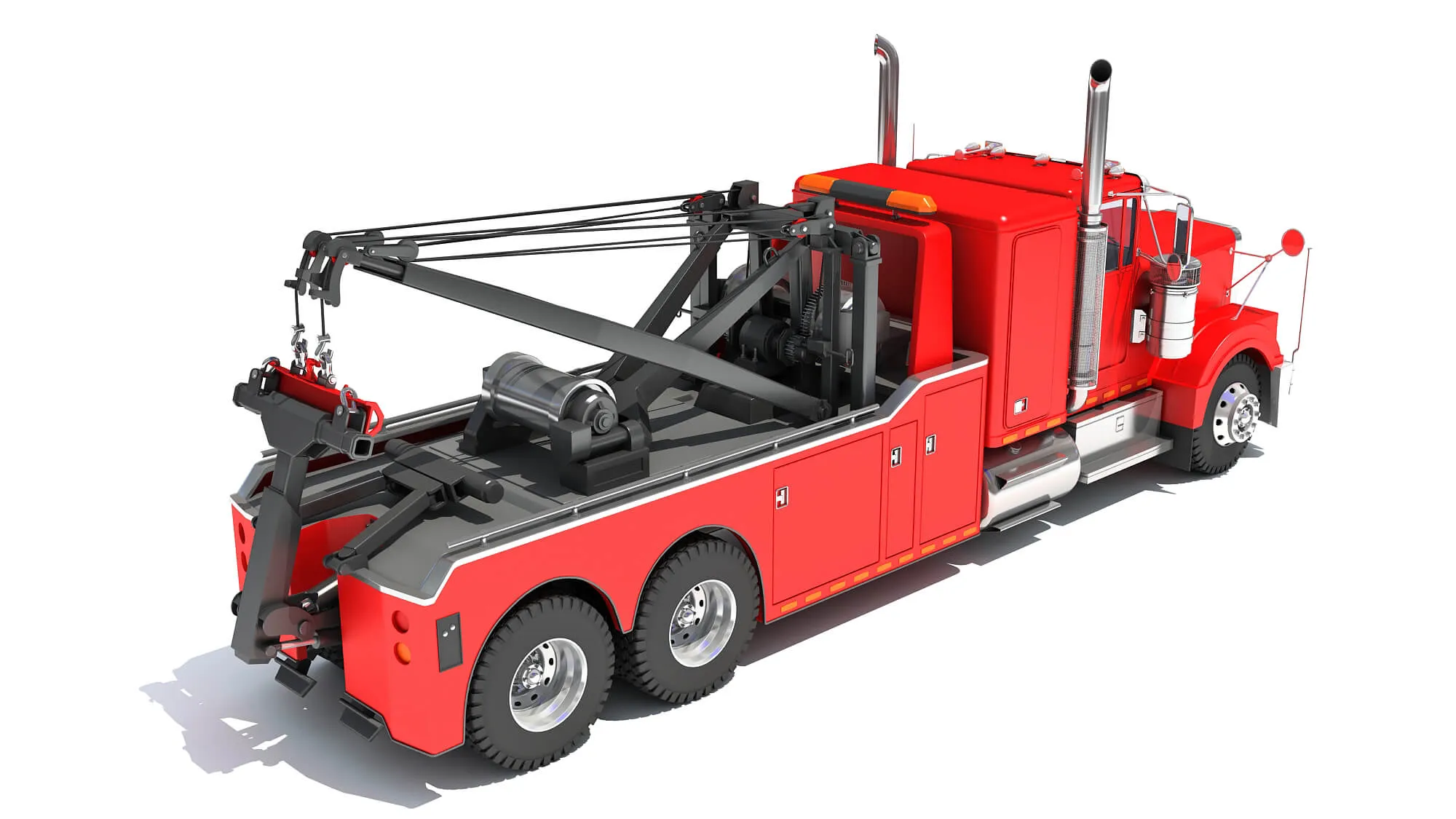
Tow trucks play an important role in towing, roadside assistance, vehicle recovery, and transportation services. When a tow truck is unavailable because of an unexpected breakdown or delayed repair, it can affect response times, customer service, and daily operations. For towing companies managing multiple vehicles, keeping trucks available and properly maintained is therefore an important operational priority.
Traditional maintenance processes often rely on spreadsheets, paper records, phone calls, and manual reminders. These methods can make it difficult to track service schedules, repair history, parts, and work orders across an entire fleet.
Tow truck repair software provides a centralized way to manage these activities. By organizing maintenance information and improving communication between fleet managers and technicians, repair software can help businesses identify maintenance needs earlier and keep repairs moving efficiently.
Why Tow Truck Downtime Can Be a Problem
A tow truck that is out of service cannot respond to calls or perform scheduled work. Unexpected downtime may require a company to reassign jobs to other vehicles, adjust schedules, or rely on additional trucks.
Downtime can happen for many reasons, including:
- Missed preventive maintenance
- Unexpected mechanical failures
- Delayed parts availability
- Inefficient repair scheduling
- Poor communication between teams
- Incomplete maintenance records
- Delays in diagnosing problems
Not every breakdown can be prevented, but better maintenance planning can help reduce avoidable downtime and improve the availability of vehicles.
1. Makes Preventive Maintenance Easier to Schedule
Preventive maintenance is one of the most effective ways to identify potential problems before they become major repairs. Tow trucks may require regular oil changes, brake inspections, tire service, fluid checks, and other maintenance based on mileage, engine hours, or time intervals.
Managing these service intervals manually becomes increasingly difficult as a fleet grows.
Tow truck repair software can organize maintenance schedules and provide reminders for upcoming service. Fleet managers can see which vehicles are approaching their maintenance intervals and plan service accordingly.
Scheduling maintenance before a problem develops can help companies avoid some unexpected repairs and keep trucks available for daily operations.
2. Keeps Tow Truck Service History Organized
Accurate maintenance records help technicians understand what has happened to a vehicle in the past. Without organized records, technicians may have to spend additional time searching through paperwork or asking other employees about previous repairs.
Repair software keeps vehicle information and service history in a centralized location. Depending on the system, records may include previous repairs, inspections, parts replaced, labor information, and maintenance dates.
When a tow truck arrives for service, technicians can review its history and get a better understanding of previous maintenance activity. This can support a more organized diagnostic and repair process.
3. Streamlines Work Order Management
Repair delays can occur when work orders are incomplete, misplaced, or difficult to track.
Tow truck repair software allows maintenance teams to create digital work orders and monitor their progress. Managers can assign jobs, technicians can update repair information, and service teams can track whether a vehicle is waiting for diagnosis, parts, approval, or completed work.
Having a centralized work order system makes it easier to identify where a repair is in the process.
For example, if a tow truck has been waiting for a part, a manager can quickly see that status rather than assuming the technician is still working on the vehicle. This visibility can help teams address bottlenecks more quickly.
4. Helps Manage Parts Availability
Parts shortages can keep tow trucks in the shop longer than necessary. Even when a technician is ready to complete a repair, the vehicle may remain unavailable if a required component has not been ordered or cannot be located.
Tow truck repair software can help organize parts and inventory information alongside repair orders. Teams can track parts used for specific jobs and maintain better visibility into available inventory.
This can make it easier to identify frequently used components and determine when inventory needs to be replenished.
Better parts organization does not guarantee that every component will always be available, but it can help maintenance teams plan ahead and reduce delays caused by poor inventory visibility.
5. Improves Communication Between Managers and Technicians
Clear communication is essential when several tow trucks require maintenance at the same time. Managers need to know which vehicles are being repaired, what work is required, and whether a truck is ready to return to service.
A centralized repair system gives technicians and managers access to current job information. Technicians can document findings and completed work, while managers can monitor repair progress.
This reduces the need to rely on scattered notes, repeated phone calls, or informal updates. Better communication can help maintenance teams coordinate work more efficiently.
6. Helps Identify Recurring Mechanical Problems
Repeated repairs can contribute to long-term downtime if underlying issues are not identified. Reviewing service history can help managers recognize patterns across individual vehicles.
For example, if a particular tow truck repeatedly experiences issues with the same component, its repair history can provide useful information for further inspection or maintenance planning.
Repair software can make these records easier to access and analyze. Managers can use historical information to identify vehicles that require frequent repairs and investigate potential causes.
This can support more informed maintenance decisions and help businesses prioritize vehicles that need additional attention.
7. Provides Better Visibility Into Fleet Maintenance
Fleet managers need a clear view of their maintenance operations to make timely decisions. When information is spread across spreadsheets and paper records, it can be difficult to determine which vehicles require service or where repair delays are occurring.
Tow truck repair software brings maintenance information together in one system. Depending on the platform, managers may be able to monitor open work orders, upcoming maintenance, repair history, labor, parts, and other service information.
This visibility can help managers prioritize work and allocate maintenance resources more effectively.
How to Choose Tow Truck Repair Software
The right software should match the size and requirements of your towing operation. Before selecting a platform, consider the features your maintenance team uses most frequently.
Important capabilities may include:
- Preventive maintenance scheduling
- Digital work orders
- Vehicle service history
- Parts and inventory tracking
- Technician labor tracking
- Estimates and invoicing
- Maintenance reporting
- Mobile accessibility
- Customer and repair communication
- Integration with other business systems
Ease of use is also important. Technicians and managers should be able to access and update information without unnecessary complexity. A product demonstration or trial can help your team determine whether the software fits its existing workflow.
Improve Tow Truck Fleet Availability With Better Maintenance
Vehicle downtime can affect towing operations in several ways, from delayed roadside assistance to disrupted schedules and additional repair requirements. While mechanical failures cannot always be avoided, businesses can take steps to make maintenance more organized and proactive.
Tow truck repair software helps centralize service records, schedule preventive maintenance, manage work orders, track parts, and improve communication between maintenance teams and managers.
By replacing disconnected maintenance processes with a centralized system, towing businesses can gain better visibility into their fleets and respond to maintenance needs more efficiently. A well-organized maintenance workflow can ultimately support greater vehicle availability and a more reliable towing operation.