Top Surgical Instruments Manufacturers in India for Cardiac and vascular procedure
By Surgifact
140 Views
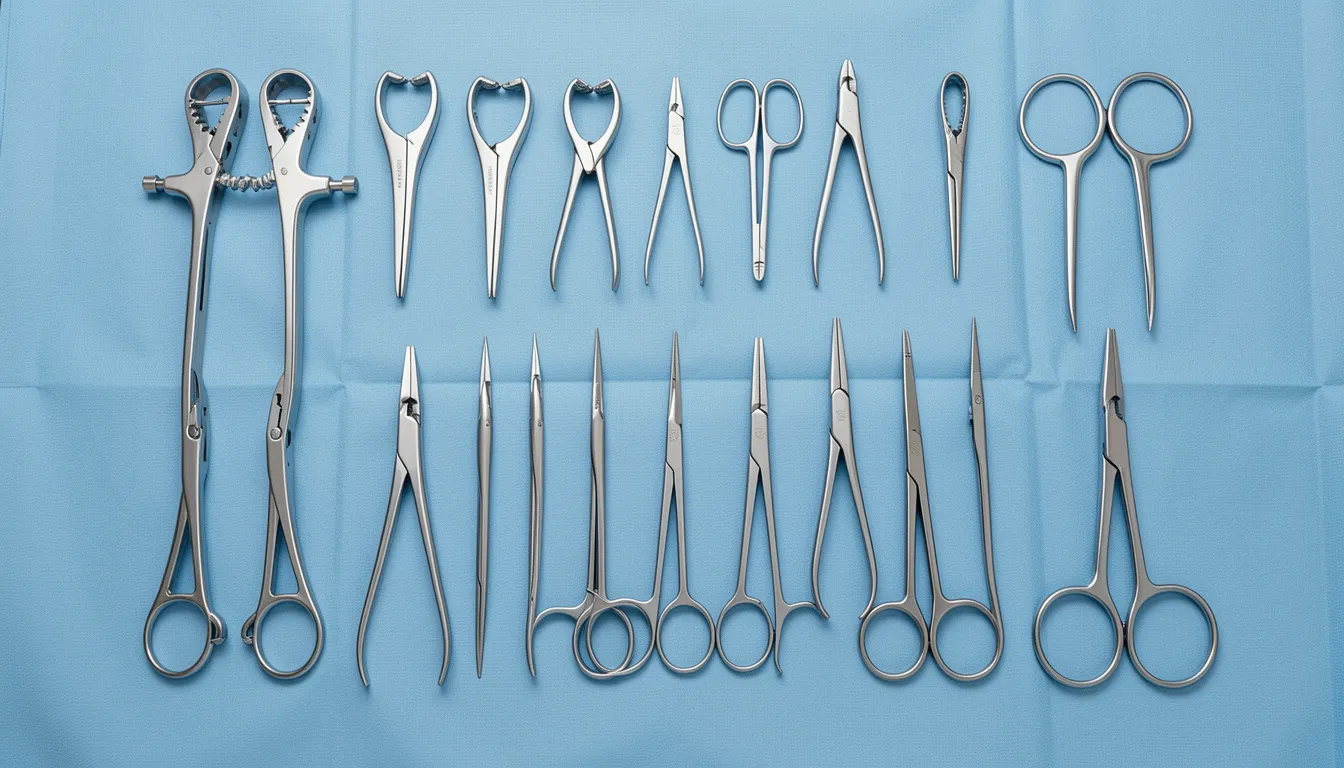
Top Surgical Instruments Manufacturers in India for Cardiac & Vascular Procedures
Hospitals rarely switch surgical instruments suppliers because of price alone. They switch after one delayed shipment during an urgent cardiac case, or after a vascular clamp fails alignment six months earlier than promised. This is the point when the discussions about dependable surgical, cardiac, and vascular instruments veer away from a simple catalog listing, and focus on a more accountable strategy.
More than 150 countries across import surgical and medical devices from India. Projections estimate that by 2030, this number will surge the surgical instruments market to more than USD 50 billion. The adverse realities of procurement teams remain the same, with the most common issues including disappearance of suppliers post customs, and inconsistent and poor variation of steel grade and compliance documents. Most clients realize too late that a fancy brochure is no guarantee for a perfect instrument that will withstand the rigors of the operating room.
Cardiac Instruments and Vascular Instruments: The Specification Details Buyers Usually Miss
Material Grade Is Not a Marketing Line
Most high-performance Cardiac Instruments Manufacturers rely on German or Japanese stainless steel variants because repeated sterilization cycles destroy inferior steel faster than many buyers expect. A Mayo scissors set that survives 1,500 autoclave cycles without corrosion behaves very differently from one that starts pitting after 300 cycles.
And yet, some suppliers still avoid disclosing exact steel composition.
That’s usually deliberate.
A vague phrase like “premium surgical stainless steel” means nothing unless the supplier can specify hardness range, passivation process, and corrosion resistance testing. Procurement managers who skip this discussion often end up replacing instruments far earlier than planned.
Jaw Alignment Matters More Than Mirror Finish
A mirror-polished vascular forceps looks impressive during inspection. Alignment tolerance matters more.
For vascular surgery, even a minor deviation in clamp pressure can affect tissue handling during delicate procedures such as carotid endarterectomy or coronary artery bypass grafting. Experienced Vascular Instruments Manufacturers test alignment repeatedly before dispatch because shipping vibration alone can create issues in poorly calibrated instruments.
Nobody tells you this early enough: instruments that pass visual inspection can still fail functional consistency tests.
Common Cardiac & Vascular Surgical Instruments
Cardiac Procedure Instruments
- Needle holders for sternotomy closure
- Rib spreaders
- Coronary artery forceps
- Microvascular scissors
- Aortic clamps
- Sternal retractors
Vascular Procedure Instruments
- Bulldog clamps
- Vascular dilators
- Anastomosis forceps
- Vessel tunnellers
- Satinsky clamps
- Fogarty-style forceps
The Packaging Spec Most Buyers Ignore
Sterile barrier packaging failure remains one of the most common export complaints in surgical procurement.
Which means packaging validation matters almost as much as manufacturing. Moisture control, anti-rust VCI paper, tray stability, and transport vibration resistance should all be documented before bulk orders move internationally.
Five Supplier Evaluation Criteria That Actually Predict Long-Term Performance
1. Ask About Traceability, Not Just Certification
ISO certification is necessary. It is not enough.
A reliable surgical instruments manufacturer should trace production batches back to raw material sourcing and machining records. If the answer sounds vague — “our QC team checks everything manually” — that’s a warning sign, not reassurance.
2. Check Export Stability
Suppliers exporting consistently to 25–31 countries usually understand documentation pressure, customs timelines, and packaging compliance far better than purely domestic operators.
Bad answer:
“We’ll prepare documents once the order is finalized.”
That delay alone can push hospital schedules backward by weeks.
3. Demand Sample Consistency Across Batches
Many suppliers produce excellent samples and inconsistent production runs.
That problem is more common than most procurement teams admit publicly. One clean prototype means very little unless the supplier can maintain machining tolerance across 500 or 2,000-unit batches.
4. Review Service Response Time
Cardiac surgery scheduling does not pause because a supplier takes five days to answer an email.
A dependable Cardiac Instruments Manufacturers partner should provide technical clarification within 24–48 hours. Anything slower becomes a supply chain liability during urgent procurement cycles.
5. Inspect Finishing Under Magnification
Surface finishing defects become visible under magnification long before they become visible to the naked eye.
Which means serious Vascular Instruments Manufacturers perform microscopic inspection for burrs, micro-cracks, and edge irregularities before shipment. Suppliers who avoid factory audits usually know exactly why buyers should not visit.
Why Strong Surgical Instruments Procurement Protects Margins
Reduced Instrument Replacement Frequency
Hospitals replacing vascular clamps every 14–18 months spend substantially more over five years than facilities investing in properly hardened instruments from the beginning.
Cheap instruments rarely stay cheap.
Lower Sterilization Failure Risk
Proper passivation reduces corrosion risk during repeated autoclaving. That lowers rejection rates inside CSSD departments and protects surgical scheduling efficiency.
Fewer Procedure Delays
A missing or defective clamp during cardiac surgery creates operational disruption nobody budgets for. Reliable supply planning reduces those interruptions significantly.
Better Surgeon Confidence
Experienced cardiac surgeons notice balance, grip tension, and jaw precision immediately. Consistency improves procedural handling during long surgeries where fatigue becomes a factor.
Easier Compliance Documentation
Government healthcare institutions and multispecialty hospitals increasingly require documented compliance trails, especially for imported or export-grade instruments. Suppliers already serving regulated international markets adapt faster to these requirements.
More Predictable Procurement Cycles
Hospitals working with stable surgical instruments manufacturers in India generally face fewer emergency purchases and fewer last-minute vendor substitutions.
That predictability protects margins quietly, month after month.
Why Jalandhar Continues to Matter in India’s Surgical Manufacturing Supply Chain
India remains one of the largest manufacturing hubs for surgical instruments manufacturers, and Punjab plays a bigger role than many international buyers realize. Jalandhar, in particular, developed its reputation through decades of precision metalworking and export-oriented production.
There’s also a logistics advantage here.
Suppliers operating near northern freight corridors can often move export consignments faster toward Delhi air cargo terminals and western seaports compared to smaller inland clusters. That matters during urgent cardiac procurement requirements where hospitals cannot afford shipment uncertainty.
Which is why many buyers searching for surgical instruments manufacturers in India, Cardiac Instruments Manufacturers in India, and Vascular Instruments Manufacturers in India continue sourcing from established Punjab-based exporters.
Built Around Repeat Orders, Not One-Time Catalog Sales
At Surgifact, we’ve spent years working with distributors, hospitals, and procurement teams that care less about marketing language and more about whether instruments perform consistently after repeated sterilization cycles.
We operate from Jalandhar, Punjab — one of India’s long-standing surgical manufacturing clusters — and we export to 31 countries while maintaining ISO-certified production standards. Our team understands that cardiac and vascular buyers often need dimensional adjustments, documentation support, and fast clarification before confirming larger orders.
We also learned something the hard way years ago. A polishing compound we once used created minor residue marks after high-frequency sterilization in humid coastal regions. Buyers flagged it. We changed the process instead of arguing about inspection reports.
That’s what long-term export experience looks like in practice.
Send the Right Details First — It Speeds Up Quotation Time
If you’re sourcing Cardiac Instruments or Vascular Instruments for hospitals, distributors, or healthcare procurement projects, send us:
- Product list with quantities
- Required steel grade or specification
- Preferred finish
- Packaging requirements
- Compliance documentation needs
- Destination country
We typically respond within 24 business hours.
MOQ depends on instrument category and customization level, though standard export orders generally begin from small distributor quantities upward. Buyers looking for OEM branding or private labeling should mention it early because packaging approvals take longer than most expect.
Conclusion
Reliable surgical instruments procurement is rarely about finding the lowest quotation. It’s about reducing failure points before they reach the operating room. Hospitals sourcing Cardiac Instruments and Vascular Instruments from experienced Indian manufacturers are increasingly prioritizing traceability, batch consistency, and long-term supplier responsiveness over aggressive pricing. The manufacturers that adapt fastest to those expectations will dominate the next decade of global surgical exports.
FAQs
How do buyers compare surgical instruments manufacturers effectively?
Start with batch consistency, export history, and documentation quality. Many surgical instruments manufacturers look identical online until you request detailed specifications, hardness data, or sterilization validation records. That’s usually where weaker suppliers struggle.
Are Cardiac Instruments Manufacturers in India suitable for export-grade procurement?
Yes, many are. India exports surgical products globally, and several Cardiac Instruments Manufacturers in India already supply distributors across Europe, the Middle East, Africa, and Southeast Asia. Still, buyers should verify compliance documents independently instead of assuming every exporter follows identical standards.
What is the usual lead time for Vascular Instruments Manufacturers?
Standard instruments may ship within 2–4 weeks depending on volume. Customized vascular sets often take longer because alignment testing and packaging approvals add extra production stages.
Why do vascular clamps fail earlier than expected sometimes?
Improper steel hardening is one reason. Poor passivation is another. Some Vascular Instruments Manufacturers reduce finishing time to increase output speed, which creates corrosion problems later under repeated sterilization cycles.
Do surgical instruments manufacturers in India support OEM branding?
Many do, especially export-focused suppliers. But OEM packaging development is slower than buyers expect. Regulatory labeling, barcode placement, and carton approval can delay shipments if discussed too late.
What documents should hospitals request before confirming bulk procurement?
At minimum:
- ISO certification
- CE documentation if required
- Material specifications
- Sterilization compatibility details
- Batch traceability records
- Packing validation data
A supplier unwilling to share these early creates unnecessary procurement risk.
Are lower-priced Cardiac Instruments always a bad choice?
Not always. Smaller hospitals with lower procedure volumes may not require premium-grade lifespan expectations. But extremely cheap instruments usually reveal the compromise somewhere — weaker alignment stability, shorter lifespan, or inconsistent finishing quality.
Related Reading
Top 10 Hidden Secrets About Business & Finance You Need to Know
Welcome to our in-depth exploration of Business & Finance. In an era defined...
Why Business & Finance is Transforming the Global Industry Landscape
Welcome to our in-depth exploration of Business & Finance. In an era defined...