Top 5 Ways to Use Catnip Grass to Enrich Your Cat's Life
By john121
147 Views
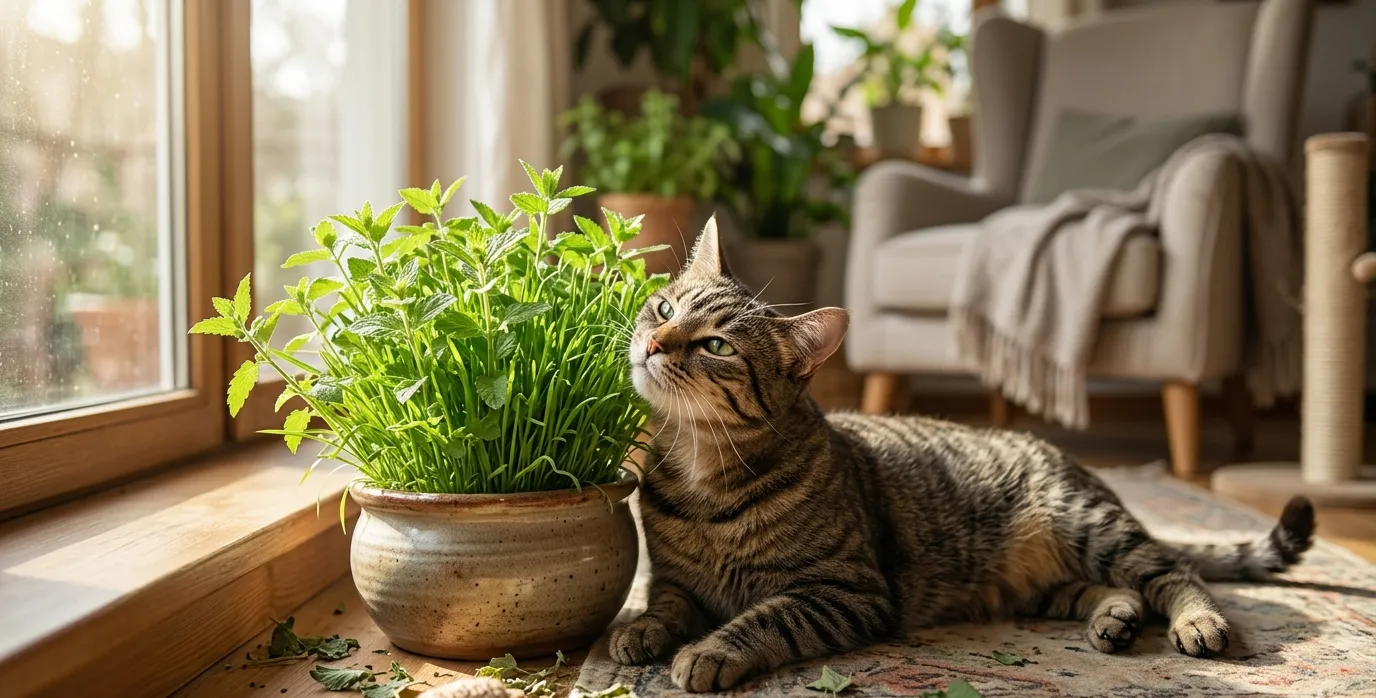
Cats are curious, playful, and often mysterious companions. One of the easiest and most natural ways to enrich your cat’s life is by introducing catnip grass. Unlike synthetic toys or complicated enrichment setups, catnip grass provides sensory stimulation and can improve your cat’s physical and mental well-being. In this article, we explore the top five ways to use catnip grass to enhance your feline friend’s day-to-day life.
1. Encouraging Play and Exercise
One of the most well-known effects of catnip is its ability to stimulate playful behavior in cats. When exposed to catnip grass, many cats exhibit energetic behaviors such as rolling, pouncing, and chasing. This provides a fun and safe way for your indoor cats to get some physical activity. Regular exercise helps prevent obesity, supports cardiovascular health, and reduces stress-related behaviors like over-grooming or scratching furniture.
To make the most of catnip grass for play, try placing small pots or containers of the grass in areas where your cat already enjoys playing. This can encourage natural stalking and hunting behaviors, giving your cat both mental stimulation and exercise. You can also sprinkle a few dried catnip leaves in your cat’s play area to spark interest, though fresh catnip grass often provides a more potent and engaging scent.
2. Promoting Relaxation and Stress Relief
Interestingly, catnip grass doesn’t just stimulate; it can also have a calming effect. For cats that are prone to anxiety—perhaps due to environmental changes, visitors, or loud noises—catnip grass can act as a natural stress reliever. Many cats will rub against the grass, chew gently, or simply lie next to it, displaying relaxed behaviors.
Setting up a small catnip grass patch in a quiet corner or near a favorite resting spot can create a safe haven for your cat. Over time, your cat may begin associating this area with relaxation and comfort. This is particularly beneficial for indoor cats, as they may not have the same outlets for stress relief that outdoor cats do.
3. Encouraging Natural Chewing Habits
Cats have a natural instinct to chew, which helps keep their teeth healthy and provides sensory satisfaction. Cat nip grass can serve as a safe and natural alternative to other non-edible items your cat might chew on, like cords or plants that could be harmful. Chewing on catnip grass can support oral health, relieve mild boredom, and provide a tactile sensory experience that is both enjoyable and safe.
You can offer catnip grass in small pots or even grow it in windowsills, giving your cat easy access. Ensure that the grass is free from pesticides and other chemicals. With regular access, your cat may develop a habit of gently nibbling, which can be a fun and healthy pastime.
4. Enrichment for Indoor Cats
Indoor cats often face challenges that outdoor cats do not, such as limited stimulation and fewer opportunities for hunting or exploring. Catnip grass offers an easy and effective way to enrich their environment. It engages multiple senses—smell, taste, and touch—and encourages natural behaviors like stalking, rubbing, and rolling.
For maximum enrichment, you can rotate catnip grass pots throughout your home, placing them in different rooms to encourage exploration. Additionally, pairing catnip grass with interactive toys or climbing structures can create complex play scenarios that stimulate both mind and body.
5. Assisting with Training and Positive Reinforcement
Catnip grass can also be a helpful tool for training or encouraging desirable behaviors. For example, if your cat is hesitant to use a new scratching post or play area, placing catnip grass nearby can attract them and create a positive association. Cats respond well to environments that are naturally enticing, and the aroma of fresh catnip grass can guide them toward preferred behaviors.
Similarly, catnip can be used as a reward during training sessions. After a cat successfully performs a trick or uses an approved scratching area, allowing a few minutes with catnip grass reinforces the behavior and makes learning enjoyable.
Safety and Considerations
While catnip grass is generally safe, moderation is key. Some cats may become overstimulated or display overly excited behaviors when exposed to large amounts of catnip. Observe your cat’s reactions and provide access in controlled sessions if necessary. Additionally, keep in mind that not all cats are affected by catnip—sensitivity is hereditary, and approximately 30% of cats may not respond at all.
Another common concern for indoor cat owners is, "can indoor cats get fleas?" The answer is yes. While indoor cats have a lower risk, fleas can enter the home on clothing, other pets, or even through open windows. Regular preventive care and hygiene are essential to keep both indoor and outdoor cats comfortable and healthy.
Conclusion
Incorporating catnip grass into your cat’s daily routine can enhance their physical health, mental stimulation, and overall happiness. Whether through playful engagement, stress relief, chewing, enrichment, or training, this simple and natural tool can make a big difference. By observing your cat’s preferences and using catnip grass thoughtfully, you create a happier, more engaged companion who thrives in their indoor environment.
FAQs About Catnip Grass
1. How often should I give my cat access to catnip grass?
Moderation is important. Offering catnip grass a few times per week is usually sufficient. This keeps the experience novel and enjoyable, preventing overstimulation.
2. Can I grow catnip grass indoors safely?
Yes. Catnip grass grows well in pots or small containers on windowsills. Ensure it receives adequate sunlight and water regularly. Avoid pesticides or chemicals to keep it safe for your cat.
3. Is catnip grass safe for kittens?
Kittens under three months may not respond to catnip. It is generally safe, but monitor their interactions to prevent overeating or gastrointestinal upset.
4. Can catnip grass help my cat with boredom?
Absolutely. Catnip grass provides sensory enrichment and encourages natural behaviors like stalking, pouncing, and chewing, which helps reduce boredom, especially for indoor cats.
5. Will catnip grass prevent fleas in indoor cats?
No. While catnip grass is great for enrichment, it does not prevent or treat fleas. Indoor cats can still get fleas, so preventive measures and regular veterinary care are important.
Read more: The Smarter Way to Keep Your Cat’s Litter Area Fresh, Clean, and Guest-Ready