Home Appraisal Services: Tips for Getting an Accurate Property Value
By Thomas
89 Views
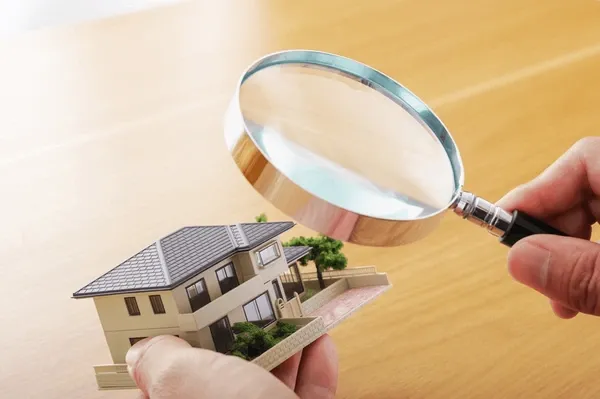
Buying, selling, refinancing, or investing in a home often begins with one important question: What is my property really worth? While online valuation tools can provide rough estimates, they cannot replace the detailed analysis performed by a professional appraiser. This is where home appraisal services become an essential part of the real estate process.
A professional appraisal provides an objective estimate of a home's market value based on its condition, location, recent sales, and current market trends. Whether you're a homeowner, buyer, lender, or investor, understanding how the appraisal process works can help you make better financial decisions and avoid costly mistakes.
In this guide, you'll learn why home appraisals matter, what influences property value, and how to prepare for a successful appraisal.
What Are Home Appraisal Services?
Home appraisal services involve a professional evaluation of a residential property's current market value. The appraisal is completed by a licensed or certified real estate appraiser who follows recognized valuation standards and industry guidelines.
Unlike an online home value estimate, a professional appraisal includes:
- A physical inspection of the property
- Research on recent comparable home sales
- Analysis of neighborhood market conditions
- Evaluation of property features and upgrades
- Preparation of a detailed appraisal report
The final report provides an unbiased opinion of value that can be used for financing, legal matters, estate planning, tax purposes, and real estate transactions.
Why Home Appraisals Matter
An accurate property valuation helps reduce financial risk for everyone involved in a real estate transaction.
Homeowners benefit from knowing whether they are pricing their home fairly or refinancing with sufficient equity. Buyers gain confidence that they are paying a reasonable price, while lenders use appraisal reports to ensure the property supports the loan amount.
A professional appraisal can also help prevent disputes during negotiations by providing independent market evidence.
Common Reasons to Schedule a Home Appraisal
Home appraisals are useful in many situations beyond buying and selling a house.
Buying a Home
An appraisal helps confirm that the agreed purchase price reflects current market value.
Selling a Property
Setting the right asking price improves the chances of attracting serious buyers while reducing unnecessary time on the market.
Mortgage Refinancing
Most lenders require an updated appraisal before approving a refinance loan.
Removing Private Mortgage Insurance (PMI)
If your home's value has increased, a current appraisal may demonstrate enough equity to qualify for PMI removal.
Estate Planning
Executors and beneficiaries often rely on professional appraisals to determine the value of inherited property.
Divorce Property Division
A neutral valuation supports fair distribution of real estate assets during legal proceedings.
Property Tax Appeals
If you believe your property has been overassessed, an independent appraisal can strengthen your appeal.
What Factors Affect a Home's Appraised Value?
No two homes are identical, and several factors influence market value.
Location
Neighborhood desirability, schools, transportation, shopping, and nearby amenities often play a major role.
Property Size
The total living area, number of bedrooms and bathrooms, garage space, and lot size all contribute to value.
Overall Condition
Homes that are well-maintained generally receive stronger valuations than properties requiring significant repairs.
Recent Improvements
Renovated kitchens, updated bathrooms, new roofing, energy-efficient windows, HVAC systems, and modern flooring may positively influence value.
Comparable Home Sales
Recent sales of similar homes in the same neighborhood provide one of the strongest indicators of market value.
Local Market Conditions
Housing demand, inventory levels, mortgage rates, and economic trends also impact residential property values.
Understanding the Home Appraisal Process
Knowing what to expect can make the process much less stressful.
Property Inspection
The appraiser visits the home to evaluate its condition, layout, construction quality, upgrades, and overall appeal.
During the inspection, they typically review:
- Exterior condition
- Interior rooms
- Structural features
- Landscaping
- Garages
- Finished basements
- Outdoor improvements
- Safety concerns
Market Research
After the inspection, the appraiser researches recently sold properties that closely match your home's size, age, condition, and location.
Value Analysis
The collected information is analyzed using accepted appraisal methods to estimate fair market value.
Appraisal Report
The final report explains how the value was determined and includes photographs, comparable sales, neighborhood analysis, and supporting documentation.
How to Prepare Before the Appraiser Arrives
Although homeowners cannot control market conditions, they can ensure the property presents well.
Helpful preparation includes:
- Complete small repairs such as fixing leaky faucets or damaged trim.
- Replace burned-out light bulbs.
- Mow the lawn and improve curb appeal.
- Clean the home's interior and exterior.
- Prepare a list of recent upgrades.
- Provide receipts for major renovations if available.
- Ensure easy access to every room.
These steps help the appraiser perform a complete and accurate evaluation.
Mistakes That Can Affect Property Value
Many homeowners unknowingly make mistakes before an appraisal.
Common examples include:
- Ignoring maintenance issues
- Assuming online estimates are always accurate
- Overestimating renovation value
- Failing to disclose recent improvements
- Providing inaccurate property information
Avoiding these mistakes helps ensure the appraisal reflects your home's actual condition and market value.
Benefits of Hiring a Professional Appraiser
Working with an experienced appraiser provides several important advantages.
These include:
- Independent and unbiased property valuation
- Accurate market analysis
- Reliable documentation for lenders
- Better pricing decisions
- Support for legal and financial matters
- Increased confidence during negotiations
- Professional insight into local housing trends
Professional property appraisals offer a level of detail and credibility that automated valuation tools cannot provide.
Choosing the Right Home Appraisal Service
Selecting a qualified appraiser is just as important as the appraisal itself.
Look for professionals who have:
- Current licensing or certification
- Experience with residential properties
- Knowledge of local real estate markets
- Strong communication skills
- Positive client reviews
- Detailed reporting practices
Choosing a knowledgeable local appraiser helps ensure the valuation reflects neighborhood-specific market conditions.
Frequently Asked Questions
How long does a home appraisal usually take?
The inspection typically lasts between 30 minutes and two hours, depending on the property's size and complexity. The written report is often completed within a few business days.
Can homeowners provide information to the appraiser?
Yes. Homeowners can share details about recent renovations, upgrades, or repairs that may not be immediately visible during the inspection.
Does remodeling always increase home value?
Not necessarily. While many improvements add value, the return depends on market demand, quality of work, and neighborhood trends.
Is a home appraisal required for every real estate transaction?
Not always. However, most mortgage lenders require an appraisal before approving a home loan or refinance.
Final Thoughts
Understanding your property's true value is one of the most important steps in making confident real estate decisions. Professional home appraisal services provide an accurate, unbiased assessment based on current market conditions, property features, and comparable sales rather than estimates or assumptions.
Whether you're buying your first home, preparing to sell, refinancing your mortgage, appealing your property taxes, or planning for the future, a reliable appraisal offers valuable insight that supports informed financial decisions. By working with an experienced appraiser and preparing your property properly, you can ensure a smoother transaction and greater peace of mind.
Related Reading
Expert Insights: Navigating the Complex World of Home Improvement
Welcome to our in-depth exploration of Home Improvement. In an era defined by ra...
Why Home Improvement is Transforming the Global Industry Landscape
Welcome to our in-depth exploration of Home Improvement. In an era defined by ra...