Timber Furniture Construction for Strong and Lasting Pieces
By Home Pro
26 Views
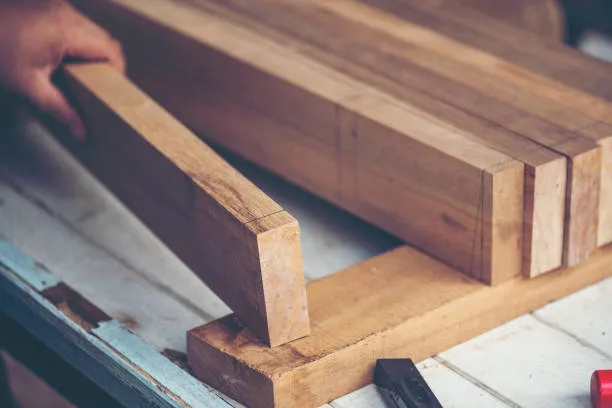
A well-made timber piece should feel stable, comfortable, and dependable from the first day of use. For homeowners considering Joinery Work in Sharjah, construction quality matters just as much as appearance because furniture must handle repeated movement, changing loads, cleaning, and everyday contact without losing its shape or character. Strong furniture is rarely the result of one special technique. Instead, it comes from sensible material selection, accurate preparation, suitable joints, careful assembly, and finishing decisions that match the intended use.
For anyone interested in solid wood furniture, timber woodworking, or wooden furniture building, understanding the construction process makes it easier to judge quality before placing an order. The right approach considers timber movement, component thickness, joint strength, grain direction, hardware, surface protection, and installation requirements. This guide explains those decisions in practical terms so you can understand what contributes to furniture that remains attractive and functional for many years.
Choosing Timber That Performs Under Daily Use
Timber selection is one of the earliest decisions affecting the strength and appearance of a finished piece. Different species have different densities, grain patterns, movement characteristics, workability, and visual qualities. Harder woods may suit heavily used surfaces, while lighter species can be useful when a project calls for a softer visual character. However, hardness alone does not determine whether a particular timber is appropriate.
Moisture content and the environment also deserve attention. Wood naturally responds to changes in humidity by gaining or losing moisture, which can cause dimensional movement. Good furniture design allows for this behavior rather than attempting to prevent it completely. Wide solid-wood panels, for example, need detailing that accommodates movement across the grain. Smaller components may be less affected, but they still require suitable construction and finishing. The intended application should therefore guide the selection. A dining table, wardrobe door, bookshelf, bed frame, and decorative console do not experience identical stresses. A skilled maker considers expected loads, spans, impact, handling, and exposure before deciding which timber and dimensions are appropriate.
Planning Dimensions For Better Furniture Forms
Accurate dimensions influence both appearance and structural performance. Before fabrication begins, the maker should establish overall height, width, depth, component thicknesses, clearances, and connection points. For a table, that may include leg position, apron dimensions, top thickness, and seating clearance. For storage furniture, shelf spans, door reveals, drawer openings, and internal compartments become equally important.
Proportion also affects durability. Very thin components may look elegant but can lack the stiffness needed for their application. Conversely, excessively thick parts add unnecessary weight and material cost. The goal is to use enough material to achieve the required strength without making the furniture cumbersome. This is especially relevant for large pieces that need to be moved through doorways, staircases, elevators, or narrow passages. Measurements should also account for hardware and assembly sequence. A joint may be technically strong but impossible to assemble if surrounding components block access. Likewise, a drawer opening can become unusable if the design ignores runner clearances. Planning these details before cutting reduces waste and prevents avoidable modifications later.
Joinery Details That Improve Cabinet Strength
Joints are where separate timber components become a functioning structure. The most appropriate connection depends on the type of furniture, material dimensions, visible appearance, expected loading, and production method. Mortise-and-tenon joints, dowels, dados, rabbets, screws, biscuits, and other mechanical connections can all be effective when correctly designed and executed.
A strong joint is not simply a matter of choosing a traditional technique. The joint must have adequate contact, accurate dimensions, suitable adhesive where required, and enough surrounding material to resist splitting or failure. Grain direction also matters because timber behaves differently along and across the grain. For that reason, the connection should be considered as part of the entire component rather than as an isolated detail.
Matching Joint Types To Real Loads
Mortise-and-tenon construction can be particularly useful for frames because the joint mechanically connects one member to another while providing substantial glue surface. Dowels can provide accurate alignment and a clean appearance, while dados and rabbets are useful where shelves, backs, or panels need to seat securely into a component.
Mechanical fasteners can also be appropriate, particularly when furniture requires disassembly or efficient workshop production. However, screws should be correctly sized and positioned to avoid splitting or weak edge distances. Adhesives work best when the mating surfaces are accurately prepared and properly fitted. A poorly fitting joint cannot become reliable simply because more glue is added. For high-use furniture, the maker should consider how forces travel through the entire structure. A chair, for example, experiences repeated movement and changing loads, so its joints need to resist more than simple downward pressure. Similarly, a large tabletop needs construction that allows natural movement while maintaining a secure connection to its supporting structure.
Selecting Hardware For Reliable Daily Movement
Hardware becomes especially important in furniture containing drawers, doors, adjustable shelves, folding parts, or moving mechanisms. Hinges and runners should be selected according to the weight and frequency of use rather than appearance alone. A large wardrobe door can place considerably more demand on its hinges than a small cabinet door.
Drawer slides also require appropriate load capacity and accurate installation. If the cabinet opening is slightly out of square or the runners are mounted inconsistently, even good hardware may feel rough during operation. Therefore, hardware selection and cabinet construction need to be treated as connected decisions. Adjustable hardware can be valuable because small alignment changes may occur during installation or use. Soft-close mechanisms can improve everyday comfort, but they still depend on accurate fitting. Handles should also be positioned according to ergonomics, door size, and surrounding clearances. When hardware is specified before fabrication, the maker can incorporate the required drilling patterns and clearances into the production drawings.
Building Furniture That Resists Everyday Wear
The durability of a furniture piece depends on how its major components work together. Legs, rails, tops, panels, shelves, supports, and backs each contribute to overall stability. A strong design distributes loads instead of concentrating stress on one small connection. This becomes particularly important in large tables, beds, shelving units, and storage furniture.
Assembly accuracy matters just as much. Components should be checked for square, straightness, correct dimensions, and suitable joint fit before final assembly. Clamping should apply controlled pressure without distorting the structure. Once assembled, the piece should be inspected for movement, gaps, rocking, misalignment, and hardware operation.
Reinforcing Areas That Face Heavy Stress
High-stress areas deserve additional attention during design. Table legs experience lateral forces as people lean against or move around the furniture. Chair frames experience repeated loading, while bed frames must withstand movement over a large number of cycles. Shelves can also sag when spans are too long for their thickness and material properties.
Reinforcement should be purposeful rather than excessive. Additional rails, stretchers, supports, thicker components, or stronger joints may solve a specific structural problem. However, adding material everywhere can increase weight without providing proportional benefit. A better approach is to identify where forces are concentrated and strengthen those areas. The back of a cabinet can also contribute significantly to overall rigidity when it is properly designed and securely connected. Similarly, drawer bottoms, shelf supports, and corner connections should be sized for their actual function. These details are easy to overlook because they are often hidden, yet they can have a major effect on long-term performance.
Finishing Timber Pieces For Timeless Styles
Finishing protects timber while influencing its color, texture, sheen, and resistance to everyday handling. Oil, varnish, lacquer, wax, paint, and other finishing systems can produce different results, so the choice should reflect both appearance and use. A dining table, for instance, needs a finish suitable for frequent cleaning and contact, while a decorative display piece may have different requirements.
Surface preparation is critical. Sanding should create an even surface without unnecessarily damaging the natural character of the wood. Dust, residue, and contamination should be removed before applying the chosen finish. Edges and end grain may need particular attention because they can absorb finishes differently from broad surfaces. The finish should also be tested on a representative sample whenever the final color or sheen is important. Timber can react differently depending on species, grain, preparation, and product. A small sample allows the homeowner and maker to confirm the visual result before the entire piece is completed.
Protecting Timber Through Smart Maintenance Habits
Even well-constructed furniture benefits from sensible maintenance. Dust should be removed using methods appropriate for the finish, while spills should generally be addressed promptly rather than left sitting on exposed surfaces. Harsh cleaning products should not be used unless the finish manufacturer confirms compatibility.
Direct heat, excessive moisture, and prolonged exposure to unsuitable environmental conditions can also affect timber and finishes. This does not mean timber furniture is fragile; rather, normal care helps preserve the surface and reduces unnecessary wear. Furniture that is frequently moved should be lifted instead of dragged whenever practical, especially when it has delicate joints or adjustable feet. Periodic inspection can identify small issues before they become significant. Loose hardware, minor surface damage, movement in a joint, or uneven doors can often be corrected early. Maintenance is therefore part of the furniture's useful life, not simply an afterthought once problems appear.
Furniture Construction Methods For Daily Use
The best construction approach is the one that matches the furniture's purpose, material, design, and expected service conditions. A traditional joint may be ideal for one project, while engineered connections or removable fasteners may make more sense for another. What matters is whether the selected method provides adequate strength, accurate assembly, practical maintenance, and a suitable appearance.
Before commissioning a piece, ask how the major components will be connected, what timber or board materials will be used, how movement will be accommodated, and which areas receive reinforcement. Also discuss the finish, hardware, installation requirements, and expected maintenance. If you are planning a project and want dependable furniture construction methods, share your intended use, approximate dimensions, preferred timber, and design references with the maker before fabrication starts. A clear technical discussion at this stage can help you avoid unsuitable specifications and make the final furniture more practical from day one.
Conclusion
Long-lasting timber furniture is created through a combination of thoughtful design and disciplined workmanship. Material selection establishes the foundation, while accurate dimensions ensure that components are properly proportioned. Suitable joints connect those components, hardware supports moving parts, and careful finishing protects the completed surfaces. Each decision influences the others, which is why durability cannot be judged from appearance alone.
For buyers, the most useful question is not simply whether a piece looks substantial, but whether its construction suits the way it will actually be used. Understanding timber movement, joint selection, component sizing, reinforcement, hardware, finishing, and maintenance gives you a much clearer basis for evaluating custom furniture. When these elements are planned together, the result can be both visually refined and dependable for everyday life.
Frequently Asked Questions
Is solid timber always stronger than engineered wood?
Not necessarily. Solid timber has valuable structural and aesthetic qualities, but engineered wood products can offer useful dimensional stability and consistency in suitable applications. The best choice depends on the component, environment, load, design, and finish.
Why does timber movement matter in furniture?
Wood responds to changes in moisture and humidity. It can expand or contract, particularly across the grain. Good furniture design accommodates this natural movement rather than trying to eliminate it.
Which joints are suitable for strong furniture?
There is no universal best joint. Mortise-and-tenon, dowel, dado, rabbet, screw, and other connections can perform well when correctly designed for the material and expected loads.
How can I tell if timber furniture is well made?
Look for accurate alignment, consistent joints, stable construction, smooth operation of moving parts, appropriate hardware, clean finishing, and sensible component proportions. Ask the maker how the structure is assembled rather than judging only the surface appearance.
Does furniture finish affect durability?
Yes. The finish protects exposed surfaces and can influence resistance to moisture, handling, staining, and everyday wear. However, a finish cannot compensate for poor structural construction.
Related Reading
Expert Insights: Navigating the Complex World of Home Improvement
Welcome to our in-depth exploration of Home Improvement. In an era defined by ra...
Why Home Improvement is Transforming the Global Industry Landscape
Welcome to our in-depth exploration of Home Improvement. In an era defined by ra...