What Causes Throttle Body Synchronization Drift Between Paired Cylinder Banks
By Wise Campus
5 Views
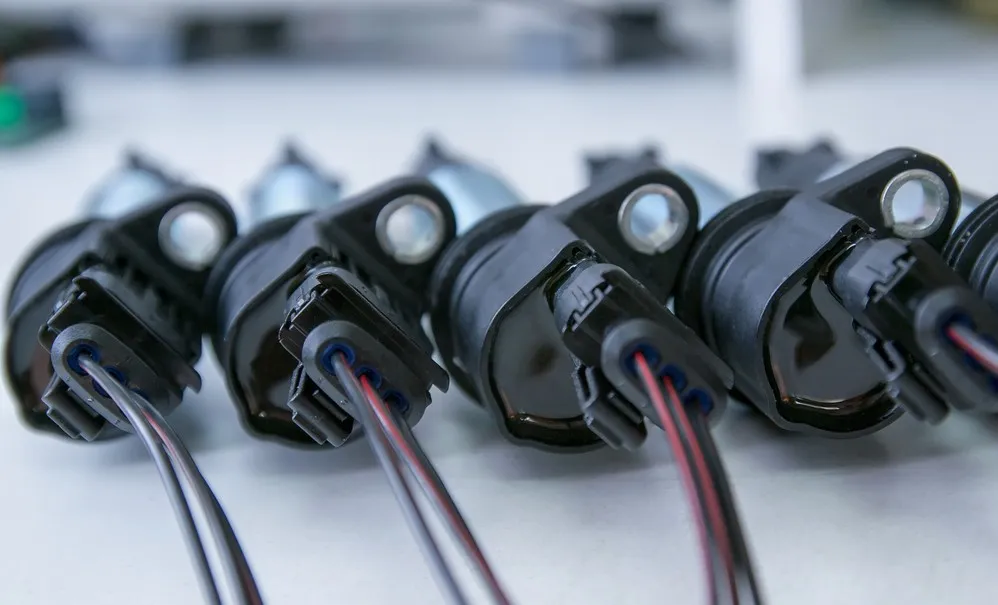
In multi-cylinder motorcycle engines, maintaining precise air-fuel balance across all combustion chambers is essential for smooth power delivery, immediate throttle response, and engine longevity. At the heart of this balance is throttle body synchronization—the precise mechanical and pneumatic alignment of individual throttle plates across paired cylinder banks.
However, even a meticulously tuned motorcycle engine will eventually experience synchronization drift over time. When throttle bodies drift out of alignment, the engine suffers from erratic idling, increased vibration, sluggish low-RPM performance, and unaligned cylinder pressures. Understanding the underlying mechanical, thermal, and mechanical factors that drive synchronization drift allows riders and technicians to diagnose issues early and perform accurate recalibrations.
1. Mechanical Wear and Linkage Play Across Throttle Assemblies
The most common primary driver of throttle body synchronization drift is physical mechanical wear within the throttle linkage hardware. Unlike single-cylinder setups, multi-cylinder bank configurations rely on complex interconnected linkages, return springs, balance screws, and pivot joints to transmit cable movement across multiple throttle plates simultaneously.
Over thousands of miles, small mechanical tolerances begin to widen:
-
Pivot Point and Bushing Wear: Constant rotation causes subtle wear on throttle shaft bushings and pivot pins, introducing micro-play into the mechanical connection between adjacent throttle bodies.
-
Linkage Spring Fatigue: Tension springs responsible for returning throttle plates to their baseline rest position can stretch or lose spring rate over time, resulting in uneven seating pressure.
-
Balance Screw Backlash: Vibrational harmonics can slowly loosen finely threaded synchronization adjusters, causing one cylinder bank to crack open slightly earlier or later than its paired counterpart.
Even micro-millimeter discrepancies in linkage movement translate to measurable variations in vacuum draw across cylinder intakes.
2. Thermal Expansion and Heat Cycle Distortion
Motorcycle engines operate under extreme thermal conditions, cycling through drastic temperature shifts every time the bike is ridden and cooled down. Throttle bodies are typically mounted directly to the engine cylinder head via rubber intake boots or aluminum manifolds, subjecting the assembly to severe conductive and radiant heat.
Different components within the throttle assembly expand and contract at varying rates based on their material composition—aluminum bodies, steel butterfly shafts, and brass adjustment screws respond differently to thermal stress. Over time, repeated thermal cycling induces subtle warpage in the throttle shaft housings or causes minor misalignment in the butterfly valves themselves.
Furthermore, dynamic thermal expansion explains why a motorcycle engine may display perfectly synchronized vacuum readings at cold idle but show noticeable sync drift once the engine reaches full operating temperature. This phenomenon underscores the necessity of performing vacuum sync adjustments only after bringing the engine up to its nominal working temperature.
3. Carbon Buildup and Intrinsic Intake Vacuum Changes
Synchronization drift is not purely a hardware alignment issue; it is heavily influenced by changes in airflow dynamics inside the intake tracts. Over continuous operation, carbon deposits, oil vapors from the crankcase breather system (PCV), and fine debris accumulate around the interior bore of the throttle bodies and on the edges of the butterfly plates.
Because fuel delivery, valve clearance changes, and airflow vary slightly between individual cylinders, carbon buildup rarely occurs uniformly across all cylinder banks:
-
Restricted Idle Air Passages: A slight accumulation of carbon around one throttle plate restricts bypass airflow, lowering intake vacuum for that specific cylinder.
-
Uneven Seating: Gunk buildup on the throttle valve rim prevents the plate from closing to its exact mechanical baseline, disrupting the calibrated idle gap.
-
Differential Intake Resistance: As intake valves develop varying degrees of carbon buildup, internal cylinder volumetric efficiency shifts, altering the vacuum pull exerted on the throttle bodies regardless of mechanical plate position.
Cleaning throttle bores and intake tracts thoroughly is a crucial prerequisite before attempting any mechanical vacuum balancing procedure.
4. Valve Train Wear and Internal Cylinder Pressure Shifts
A frequently overlooked cause of throttle synchronization drift lies within the engine’s valve train rather than the throttle assembly itself. Intake vacuum is created by the downward stroke of the piston pulling air past the opening intake valves. Consequently, any shift in valve clearance or sealing directly alters the vacuum signal at the throttle body intake manifold.
As valve seats wear and valve clearances tight naturally over time, the timing and duration of valve opening events shift subtly between cylinders. A cylinder with tight intake valve clearance will hold its valve open longer, drawing a different vacuum profile than a cylinder with proper clearance.
Diagnosing these complex mechanical interactions requires a thorough understanding of engine diagnostics and mechanical systems. Motorcyclists and aspiring technicians looking to master these mechanical concepts can benefit from structured education, such as a hands-on motorbike maintenance course. Gaining technical competence in valve adjustments, vacuum gauge readings, and fuel delivery systems ensures that underlying engine issues are resolved before attempting throttle body calibration.
Attempting to synchronize throttle bodies on an engine with uneven valve clearances will only mask deeper mechanical discrepancies rather than solving them.
5. Vibration Harmonics and Structural Flexing
The high-RPM operational environment of a multi-cylinder motorcycle engine generates constant high-frequency vibrations. These harmonic vibrations constantly exert forces on the throttle body mounting points, sync spring tensioners, and balancing adjustment screws.
Over time, engine vibration causes rubber intake boots to crack, harden, or sag, introducing subtle structural flex between adjacent throttle bodies. If one throttle body shifts slightly out of alignment relative to the cylinder head manifold, the butterfly valve shaft can bind or drag, leading to erratic vacuum readings that drift during acceleration.
Routine inspection of intake rubbers, vacuum hoses, clamps, and mounting brackets is vital. Ensuring structural rigidity across the entire throttle bank stops vibration-induced misalignment before it affects engine performance and rideability.