The Wellness Business Owner's Field Guide to Ranking Higher on Google
19 Views
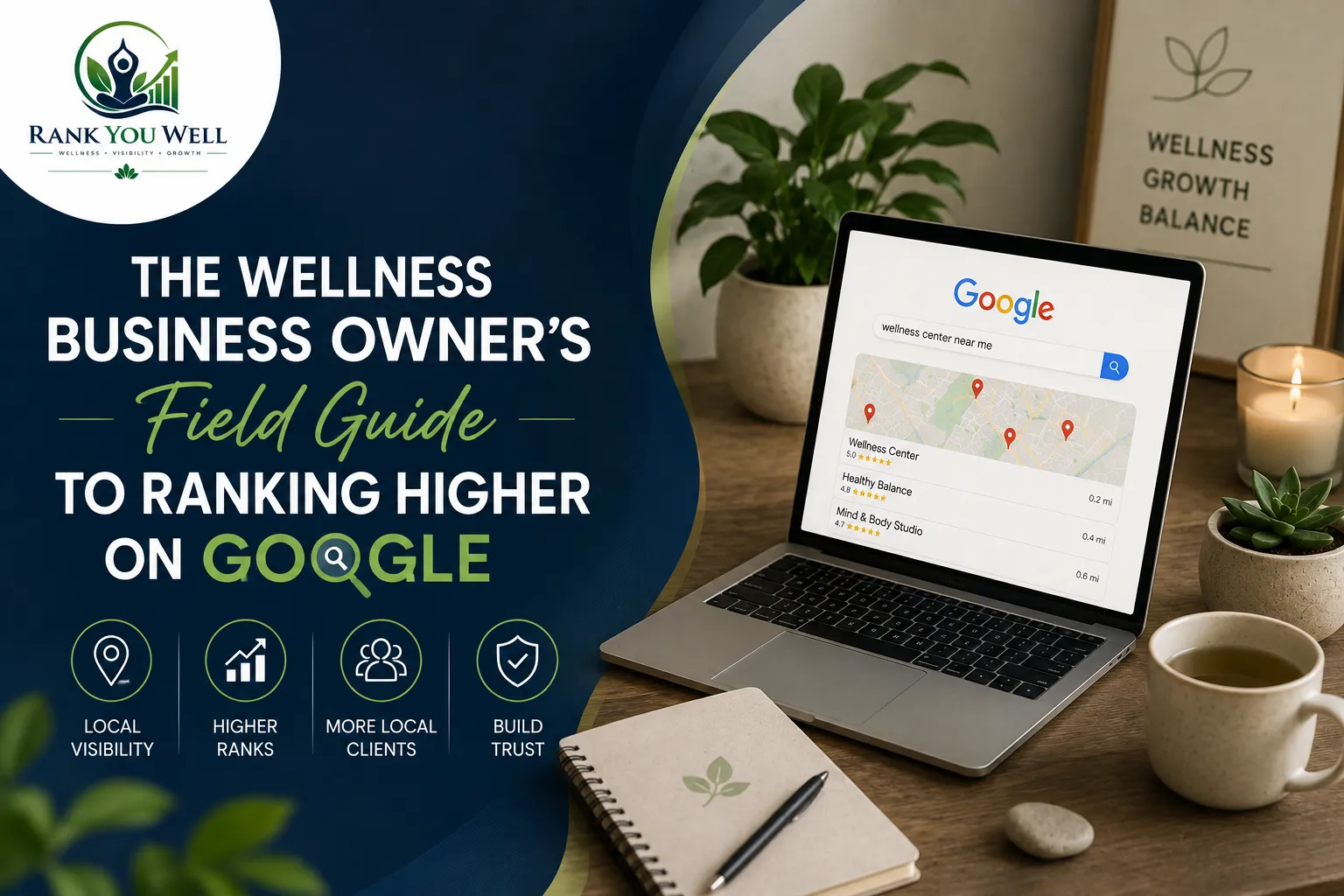
Every wellness business – from a single-room massage studio to a multi-practitioner clinic – is competing for the same handful of search results. Only a few make it into the spots people actually click. This guide breaks down exactly what separates the wellness brands that show up from the ones that don't.
1. Know Exactly What Kind of Wellness Business You're Competing As
Search behavior isn't identical across the wellness world, and treating it that way is where most marketing budgets go to waste. A yoga studio is discovered through class schedules and community searches. A fitness center wins on proximity and membership deals. A spa or day spa lives or dies by its photo gallery and booking ease. A nutrition coach competes on credentials and results. A mental health practice has to earn trust before a click even happens. And a multi-service wellness center has to do all of it at once, across several service lines.
Understanding which of these categories you fall into – and how your ideal client actually searches – should shape every decision that follows.
2. Build the Foundation Before Chasing Rankings
Skipping straight to keywords without fixing the basics is like advertising a storefront with no working door. A solid SEO foundation means clean site structure, fast-loading pages, and content that actually answers what a prospective client is searching for – not just what sounds good internally.
Get this part wrong, and every dollar spent afterward works twice as hard for half the return.
3. Win the Map Pack With a Sharper Business Profile
For most local wellness searches, the map results appear before anything else on the page. That box is prime real estate, and it's earned – not bought. Keep your listing complete, accurate, and identical across every directory it appears in. Choose categories that match your actual services, not the broadest ones available.
Skip the shortcuts here. Google has been clear that a fully verified, complete profile improves your odds – but it never promises a specific position.
4. Let Reviews Do the Selling for You
By the time someone reaches your profile, they've likely already decided to trust – or skip – you based on what past clients said. Build a habit of asking every client for feedback, not just the ones you know are happy. Respond to every review, good or difficult, with a calm, professional tone, and never confirm private details about someone's visit in a public reply.
A steady, honest flow of reviews outperforms a rushed batch collected all at once.
5. Cover Both Timelines: Fast Wins and Long-Term Growth
Organic visibility takes time to build and pays off for years. It's also not built for urgency. If you're opening a new location, launching a service, or need visibility this month rather than next quarter, pairing your organic strategy with targeted paid search closes that gap without abandoning the long game.
The businesses that grow fastest rarely pick one lane – they run both, and let each one cover the other's weaknesses.
6. Don't Underestimate Social Proof
Search isn't the only place people vet a wellness business anymore. A consistent, active presence through social media marketing reinforces everything your website and profile are already saying – and often reaches people before they've even opened a search bar. Treat it as a trust-building channel, not just a content calendar to fill.
7. Use AI the Right Way — Not as a Shortcut
Search results are changing as AI-generated summaries become more common, and plenty of businesses are chasing tricks that don't hold up. The smarter path is working with AI-informed marketing strategy that uses automation to move faster on research, content, and optimization – while keeping the actual expertise and trust-building in human hands. AI should speed up the work, not replace the judgment behind it.
Related Terms Every Wellness Business Should Understand
Whether you operate a chiropractic clinic, a holistic health practice, a medical spa, a physical therapy office, or a boutique fitness studio, the same core principles apply. The specific playbook shifts by niche – a wellness center juggling multiple service lines needs a different content structure than a single-practitioner nutrition business – but the goal is always the same: turning nearby searchers into booked clients.
Frequently Asked Questions
1. Does every wellness niche need the same SEO approach?
No. Search intent varies significantly by niche – a spa's audience searches differently than a mental health practice's – so content, keywords, and profile setup should be tailored accordingly.
2. How important are Google reviews compared to website content?
Both matter, but reviews often influence the decision to click in the first place. Strong website content then confirms that decision once someone arrives.
3. Should a new wellness business start with SEO or paid ads?
New businesses often benefit from starting with paid ads for immediate visibility, then building organic SEO alongside it for sustainable, lower-cost growth over time.
4. Can social media actually affect my search rankings?
Not directly as a ranking factor, but it builds the brand signals, engagement, and trust that support your overall online visibility and conversion rates.
5. What's the fastest way to find out what's wrong with my current SEO?
A professional audit is the quickest path – it identifies technical issues, content gaps, and profile problems in one pass instead of guessing where to start.
Signs It's Time to Bring In Outside Help
DIY works fine for a single location in a low-competition market. It stops working once you're managing multiple locations, sensitive or regulated content, stagnant rankings, or simply don't have the bandwidth to stay on top of it every week.
Before hiring anyone, get a clear picture of where you actually stand. A free SEO audit will show you exactly what's holding your visibility back – no guesswork required.