The Ultimate Cost-Breakdown of Commercial Hydroseeding Services for HOAs and Municipal Parks
By luca oscar
83 Views
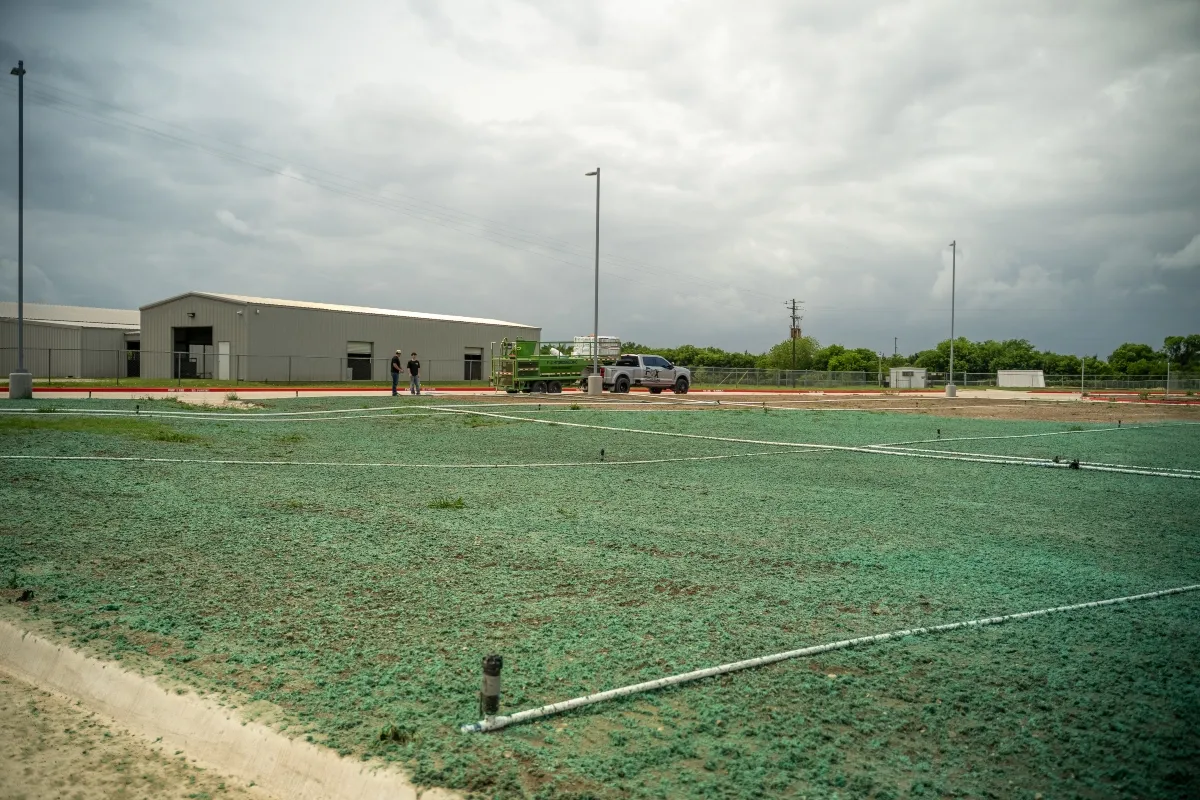
Maintaining attractive green spaces across an HOA, municipal park, or public recreation area requires careful planning because large properties can quickly turn landscaping into a significant operating expense. Hydroseeding offers property managers and municipalities an efficient way to establish grass and vegetation across expansive areas without the intensive manual installation associated with some traditional methods. Commercial hydroseeding services can be used for parks, common areas, playground surroundings, roadside spaces, sports fields, and newly developed community landscapes. However, understanding the complete cost is important before approving a project or comparing contractor proposals. The final price depends on several factors, including acreage, site preparation, seed selection, terrain, irrigation, labor, materials, and ongoing maintenance.
What Determines the Cost of Commercial Hydroseeding?
The cost of a commercial hydroseeding project is rarely determined by seed alone because several services and materials contribute to the final estimate. Contractors typically consider the total square footage or acreage, accessibility, soil condition, slope, existing vegetation, drainage, and preparation requirements before calculating a price. The hydroseeding slurry may contain seed, water, fiber mulch, fertilizer, tackifiers, and other amendments selected for the specific property. Larger projects may benefit from greater application efficiency because specialized equipment can cover substantial areas during each mobilization. Property managers should therefore request a detailed estimate that separates preparation, materials, application, and follow-up services.
Another important consideration is whether the site is ready for hydroseeding when the contractor arrives. If soil is compacted, heavily disturbed, poorly graded, or lacking suitable topsoil, additional preparation may be necessary before seed can be applied. Grading, soil amendment, debris removal, drainage improvements, and surface preparation can increase the overall project cost but may be essential for successful establishment. Skipping necessary preparation simply to reduce the initial invoice can result in weak germination and costly repairs later. A professional contractor should inspect the property and identify these conditions before providing a final recommendation.
Cost of Seed, Mulch, and Other Materials
Seed selection can have a noticeable effect on the overall budget because different grass varieties and vegetation blends have different costs and performance characteristics. An HOA may need a durable turf mixture that tolerates regular foot traffic, while a municipal park may require grass selected for heavy public use, regional climate, or reduced maintenance requirements. Native or specialized seed blends can also have different pricing from standard turf varieties. The correct selection should be based on the site's soil, climate, sunlight, irrigation, and intended use rather than choosing the cheapest available seed. Using an appropriate mixture can provide better long-term value by improving establishment and reducing the likelihood of repeated reseeding.
Mulch is another major component of hydroseeding because it helps protect exposed soil and retain moisture around developing seed. Different mulch products may be appropriate for different site conditions, and the required application rate can vary according to slope, soil type, weather exposure, and project specifications. Fertilizer and soil amendments may also be incorporated when testing or site conditions indicate they are appropriate. Contractors should explain which materials are included in their proposals and why they have been selected. This level of transparency makes it easier for HOAs and municipalities to compare estimates accurately rather than choosing between unexplained package prices.
Site Preparation and Labor Expenses
Site preparation can represent a substantial portion of the total cost when an HOA or municipal park has extensive areas requiring rehabilitation. Before hydroseeding, contractors may need to remove debris, eliminate unwanted vegetation, loosen compacted soil, improve the seedbed, or make minor grading adjustments. New construction sites can require additional work because heavy equipment may have disturbed the soil structure during development. The more complicated the preparation, the greater the labor and equipment requirements are likely to be. Property managers should therefore determine whether preparation is included in the contractor's quoted hydroseeding rate or billed separately.
Labor costs also depend on property size, accessibility, terrain, and the equipment required to complete the application. A large open park may be relatively straightforward to treat, while narrow landscaped corridors, steep slopes, and areas surrounding existing structures can require more time and careful equipment positioning. Contractors may need additional crew members for hose management, equipment operation, preparation, and site protection. Travel and mobilization can also influence the price when the property is located far from the contractor's service area. These factors explain why two properties with similar acreage can receive very different estimates.
Irrigation and Watering Costs
Water is essential during the establishment period, making irrigation an important part of the total project budget. Newly hydroseeded areas need sufficient moisture to support germination and early root development, particularly during hot or dry weather. The mulch helps retain moisture at the surface, but it does not eliminate the need for appropriate watering. HOAs and municipalities should evaluate whether existing irrigation systems can provide consistent coverage before beginning a large project. If irrigation infrastructure is inadequate, improvements or temporary watering arrangements may need to be included in the budget.
Watering costs can continue beyond the initial application because vegetation requires care while roots become established. The duration and intensity of irrigation depend on grass variety, weather, soil conditions, slope, and local water availability. Municipal properties may also need to account for water restrictions or conservation requirements when planning the establishment period. A contractor should provide realistic guidance about early maintenance rather than treating hydroseeding as a one-day service with no follow-up responsibilities. Including irrigation and watering in the financial plan provides a more accurate estimate of the project's true cost.
Comparing Hydroseeding With Other Landscaping Methods
HOAs and municipalities often compare hydroseeding with sod or conventional broadcast seeding when evaluating landscape budgets. Sod provides immediate visual coverage but typically requires more material handling, transportation, and installation labor because mature turf must be grown, harvested, delivered, and placed. Conventional seeding may have lower equipment requirements but can be less efficient across very large or difficult areas and may provide less surface protection during early establishment. Hydroseeding combines seed and mulch application into one mechanical process, making it particularly attractive for broad areas where efficient coverage is important. The best method depends on the property's timeline, budget, soil conditions, appearance requirements, and maintenance capacity.
Initial price should not be the only basis for deciding which method is most economical. An inexpensive installation can become more expensive if poor establishment requires reseeding, additional soil work, erosion repairs, or extensive labor. Conversely, a higher initial investment may make sense when it reduces future maintenance or improves establishment reliability. HOAs and municipalities should compare total lifecycle costs rather than focusing only on the installation invoice. This approach provides a more realistic understanding of which landscaping method offers the strongest long-term value.
HOA-Specific Cost Considerations
HOAs have unique budgeting challenges because landscaping expenses are often funded through annual assessments and maintenance budgets. Board members need to demonstrate that major landscape expenditures provide reasonable value to residents while also protecting the appearance and usability of shared spaces. Hydroseeding can be useful for repairing large bare areas, establishing new common spaces, or restoring lawns after construction and drainage projects. However, boards should obtain multiple comparable proposals and verify exactly what each contractor includes. Clear documentation can help residents understand why a particular landscaping approach was selected.
HOAs should also consider future maintenance when evaluating a hydroseeding project. A grass variety that grows quickly but requires frequent mowing and irrigation may increase annual maintenance costs. Selecting vegetation suited to the property's climate and expected use can help balance appearance with practical maintenance requirements. The board should also establish who will handle watering, mowing, inspections, and corrective work after the contractor finishes. A complete budget should include these ongoing responsibilities rather than treating the initial hydroseeding invoice as the entire project cost.
Municipal Park Cost Considerations
Municipal parks can present even more complex requirements because they may include playgrounds, walking paths, sports areas, drainage corridors, parking areas, open lawns, and environmentally sensitive spaces. Public properties often experience substantial foot traffic, which means vegetation must be selected according to expected use and durability. Municipal landscaping departments may also have procurement rules, project specifications, environmental requirements, or competitive bidding procedures that influence contractor selection. A hydroseeding proposal should clearly address the scope of work and comply with applicable municipal requirements. Proper planning helps ensure that the landscaping investment supports both public use and long-term property management.
Budgeting for municipal parks should also account for seasonal weather, irrigation availability, public access, and maintenance staffing. Newly hydroseeded areas may need temporary protection from traffic until vegetation becomes established, which can require signage, barriers, or temporary closures. Parks departments should communicate these requirements to contractors before work begins so they can be included in the project schedule. Coordinating hydroseeding with other park improvements can also reduce repeated mobilization and site disruption. A well-organized project can provide better value while minimizing inconvenience to residents and visitors.
How to Choose a Hydroseeding Contractor
When searching for a hydroseeding company near me, HOAs and municipalities should evaluate qualifications rather than simply selecting the closest provider. Relevant commercial experience is important because large properties require different equipment, planning, and project coordination than residential lawns. Ask contractors for examples of similar HOA, park, commercial, or public-sector projects and request references when appropriate. The contractor should be able to explain seed selection, mulch specifications, application rates, preparation requirements, irrigation needs, and post-installation maintenance. A clear explanation of these details is a good indication that the provider understands the complete process.
Pricing transparency should be another priority when reviewing contractors. A professional proposal should identify the acreage or square footage being treated, preparation work, seed mixture, mulch, fertilizer or amendments, equipment, labor, mobilization, and any follow-up services. Property managers should ask about potential additional charges before signing a contract, particularly for difficult terrain, soil correction, irrigation limitations, or unexpected site conditions. Insurance and applicable licensing or contractor credentials should also be verified according to local requirements. Choosing a qualified provider can reduce the risk that a low initial quote eventually becomes an expensive project through omissions or corrective work.
How to Calculate the Long-Term ROI
The return on investment from hydroseeding should be measured through more than the initial installation price. HOAs and municipalities can consider the cost of alternative landscaping methods, expected maintenance requirements, water consumption, labor needs, erosion prevention, and the useful life of the established landscape. A successful hydroseeding project can improve the appearance and usability of shared spaces while reducing the amount of exposed soil requiring future correction. Establishing vegetation efficiently can also support property presentation and reduce the potential for recurring bare areas. The actual financial benefit will vary according to the site's conditions and maintenance program.
Property managers can improve their budgeting process by requesting a complete lifecycle estimate from each contractor. This should include initial preparation and application, irrigation during establishment, expected maintenance, and potential corrective work. Comparing these figures across multiple contractors provides a stronger basis for determining the project's expected value. It is also useful to evaluate whether the contractor's seed recommendations support the property's long-term maintenance goals rather than focusing solely on rapid initial growth. A thoughtful ROI calculation can help decision-makers justify the investment while setting realistic expectations for future expenses.
Final Thoughts
Commercial hydroseeding services can be a practical and economical solution for HOAs and municipalities responsible for maintaining large landscapes. The final cost depends on acreage, preparation, seed selection, mulch, labor, equipment, irrigation, site accessibility, and ongoing maintenance rather than one fixed price. Comparing these factors with the costs of sod and conventional seeding provides a more complete understanding of the available options. Professional site evaluation is especially important because local climate, soil, drainage, and intended use can significantly influence the recommended approach. A properly planned project can balance initial affordability with reliable long-term landscape performance.
The best purchasing decision begins with a detailed scope of work and transparent contractor proposals. HOAs should consider resident expectations, annual maintenance budgets, and shared-property needs, while municipalities should account for public use, procurement procedures, environmental considerations, and long-term maintenance resources. When property managers understand the complete cost structure, they can avoid misleading comparisons based solely on installation prices. Selecting an experienced contractor and using a site-specific seed and maintenance plan can further improve the project's value. Ultimately, successful hydroseeding is an investment in healthier, more functional, and more sustainable outdoor spaces.
Related Reading
Expert Insights: Navigating the Complex World of Home Improvement
Welcome to our in-depth exploration of Home Improvement. In an era defined by ra...
Why Home Improvement is Transforming the Global Industry Landscape
Welcome to our in-depth exploration of Home Improvement. In an era defined by ra...