The Role of Sustainable Silk Sourcing in Romankelly’s Wholesale Silk Head Scarves Line
By kiroliv
26 Views
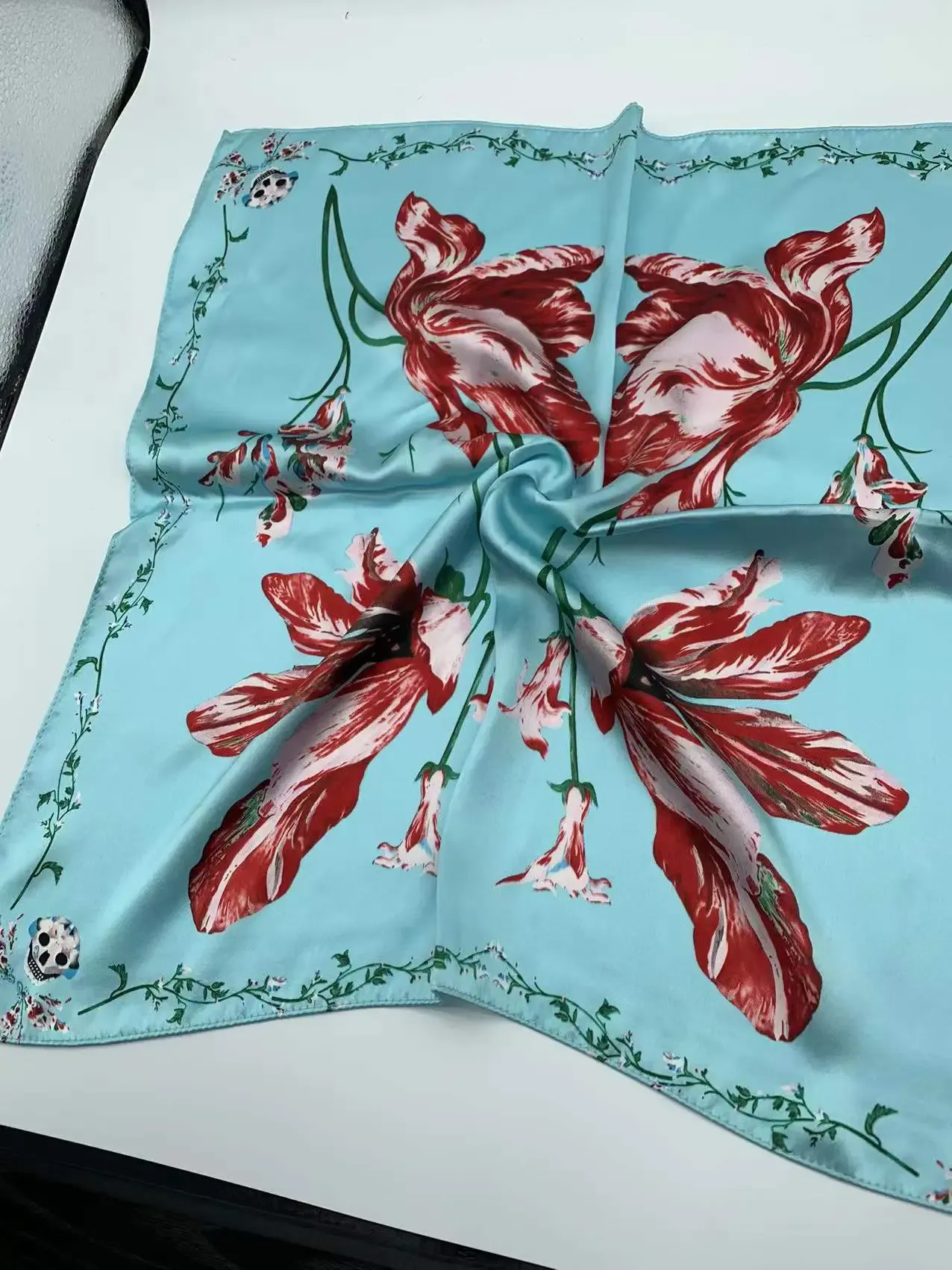
Shoppers are paying more attention to where their products come from. They ask how fabrics are made, who makes them, and what impact the process has on the environment. Silk has natural advantages in this conversation, but responsible sourcing still takes effort and commitment. Romankelly recognizes that sustainability is now part of quality, and it shapes how the company approaches materials, production, and long-term supplier relationships.
Silk as a Natural Fiber
Unlike synthetic fabrics made from petroleum, silk is a natural protein fiber produced by silkworms. It is biodegradable, and its production can have a lower environmental footprint when managed carefully. Silk also lasts a long time, which reduces the need for frequent replacement. A well-made scarf can be worn for years, passed along, or even inherited. This longevity is a quiet form of sustainability, because the greenest product is often the one that does not end up in a landfill after a single season.
Responsible Raw Material Choices
Sustainable sourcing starts with the farms and mills that provide the silk. Romankelly works with established partners and favors consistent, high-grade mulberry silk, which comes from a controlled and well-understood cultivation process. Predictable, traceable supply chains reduce waste, because fewer batches are rejected for quality problems. They also make it easier to answer customer questions about origin. As shoppers become more curious, being able to describe where materials come from is becoming an important advantage for retailers and brands alike.
Reducing Waste in Production
Waste is one of the biggest sustainability challenges in textile manufacturing. Digital printing helps here, because it uses ink more precisely and avoids the large water and chemical loads associated with some traditional methods. Printing on demand also lets buyers order closer to actual need, reducing unsold surplus. Romankelly's careful quality control further limits waste by catching flaws early. For brands that want to present a wholesale silk head scarves line with a more thoughtful story, these practical efficiencies provide honest talking points rather than empty marketing slogans.
Quality as a Sustainability Strategy
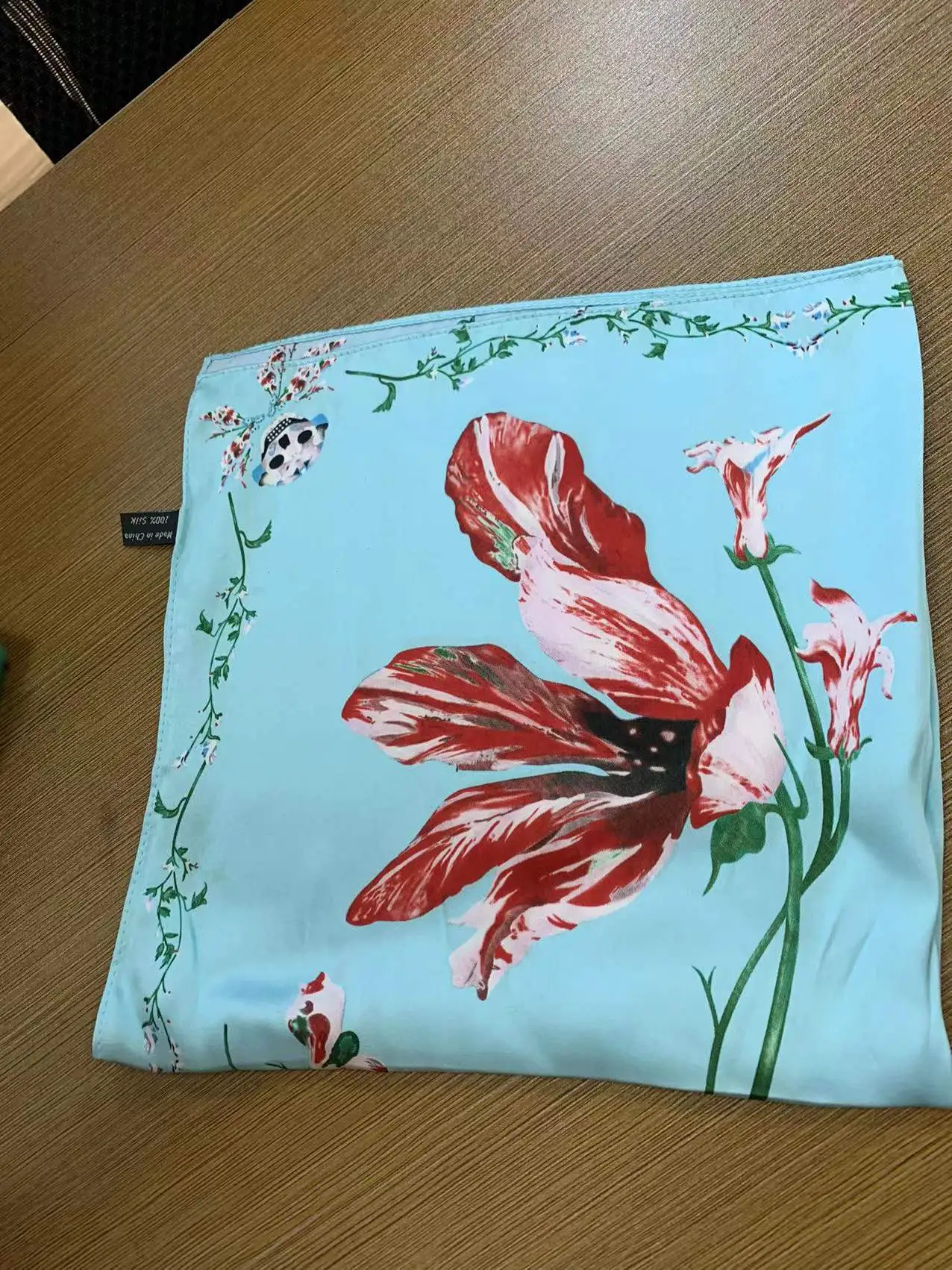
Durable products naturally support sustainability. When a scarf resists fading, keeps its shape, and retains its beauty, owners have little reason to replace it. Romankelly's focus on colorfastness, fine fibers, and solid finishing therefore contributes to environmental responsibility in a very practical way. Retailers can encourage this by offering simple care advice with each sale. Teaching customers to wash gently and store properly extends product life even further. Small educational touches like these build trust and show shoppers that the brand cares about more than just making a sale.
Telling an Honest Sustainability Story
Consumers are skilled at spotting exaggerated environmental claims, so honesty matters. Rather than promising perfection, brands should explain what they actually do: choose natural fibers, reduce waste, and make products designed to last. Romankelly supports partners with accurate information about materials and processes so they can communicate truthfully. Progress in sustainability is usually gradual, and customers tend to respect transparency about that journey. By combining real practices with clear communication, retailers can build credibility and create a lasting connection with shoppers who care about their purchases.
Related Reading
Top 10 Hidden Secrets About Business & Finance You Need to Know
Welcome to our in-depth exploration of Business & Finance. In an era defined...
Why Business & Finance is Transforming the Global Industry Landscape
Welcome to our in-depth exploration of Business & Finance. In an era defined...