The Role of Eco-Friendly Materials in Lulu Toy Car's Animal Toy Car Production
By libavef
9 Views
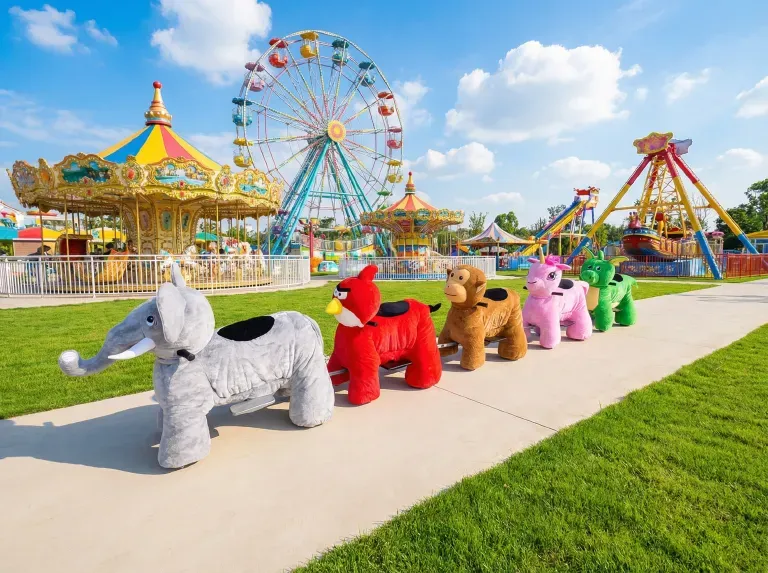
Parents increasingly ask what their children's toys are made of, and operators are beginning to ask the same questions. Concern about plastic waste, chemical exposure, and long-term environmental impact has reached the toy industry, just as it has reached packaging and clothing. Ride-on equipment presents particular challenges because it is large, durable, and often made from synthetic materials. Yet there are practical ways to reduce impact, from choosing better materials to extending product life. Lulu Toy Car allows customers to discuss materials as part of customization, and its twenty years of experience help it advise on realistic options. Here is how eco-friendly thinking can apply to the production of an animal ride.
Why Sustainability Matters in Ride-On Toys
A single ride may not seem like a big environmental issue, but a mall or park may install dozens, and manufacturers produce thousands. Large plastic or composite shells use significant resources, and disposal can be difficult. At the same time, children are sensitive to materials that touch their skin, so safety and sustainability often overlap. Buyers who care about their reputation increasingly want to show that they have considered environmental impact. Customers notice efforts to choose responsible equipment, particularly in family-oriented venues. Considering sustainability early helps avoid awkward questions later and can set a business apart in markets where parents are well informed.
Material Choices and Honest Expectations
Not every eco-friendly claim is equally meaningful. Some materials are recyclable, others reduce certain emissions, and others simply last longer. The most responsible approach is to ask suppliers for specific information about materials and avoid vague slogans. Customers can discuss material options with the company when customizing shape, color, and other features. Trade-offs are common: an alternative material may cost more, look different, or perform differently under heavy use. A thoughtful animal toy car design balances durability, safety, and environmental considerations. Honest conversation about these trade-offs leads to better decisions than choosing a product solely because it is labeled green.
Durability as an Environmental Strategy
One of the most effective ways to reduce environmental impact is to make products last. A ride that survives ten years of use is far more sustainable than one replaced every two years. Strong frames, resistant finishes, and replaceable parts extend lifespan. The company states weight capacity of up to about three hundred pounds on suitable models, indicating robust structure. Operators can contribute by cleaning and servicing equipment regularly, repairing minor damage promptly, and storing spare parts. Longevity reduces waste, saves money, and keeps attractive equipment in service rather than in landfill, aligning financial and environmental interests nicely.
Efficient Production and Packaging
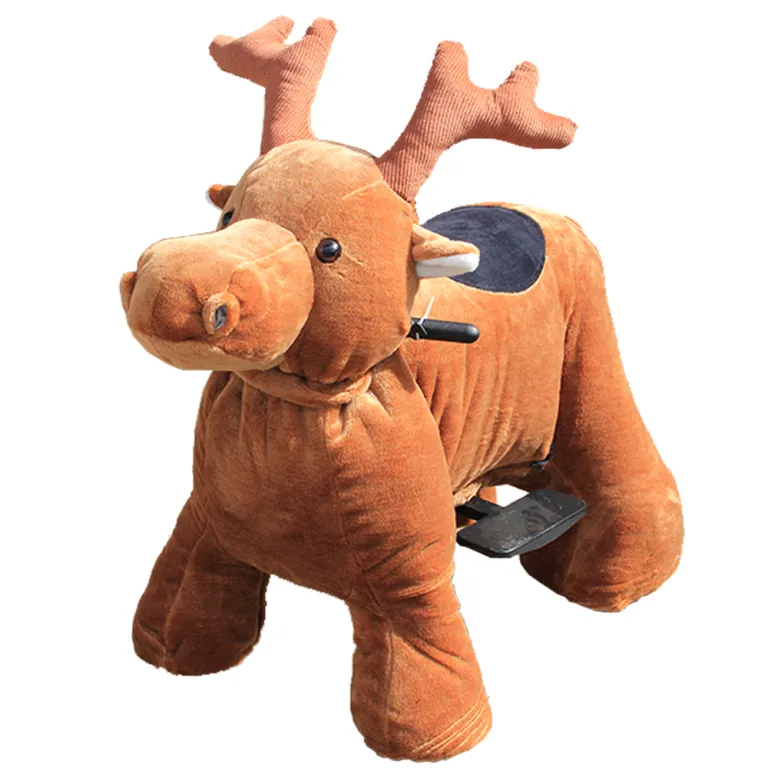
Sustainability also involves how products are made and shipped. Efficient factory processes reduce waste, and careful planning avoids unnecessary scrap. Packaging can be designed to protect equipment without excessive material, and the company offers packaging customization. Operators should consider reusing or recycling cartons and protective materials after delivery. Shipping in appropriately sized containers reduces transport emissions per unit. Consolidating orders, choosing sea freight when time allows, and planning installation carefully all help. These practical steps may seem small individually, but together they reduce the footprint of a ride from the factory floor to the venue. Keep these points in mind whenever you evaluate any animal toy car for your own venue.
Communicating Responsibly with Customers
Parents appreciate honesty. If your rides use certain materials or if you maintain them to extend their life, say so clearly and avoid exaggeration. Display cleaning routines, safety checks, and any relevant certificates. Be cautious with claims you cannot support, because customers can lose trust if they feel misled. Ask your supplier for documentation to back statements about materials. Combined with certifications such as ISO9001, CE, and EN71 mentioned by the company, clear communication builds confidence. Sustainability is a journey, and families usually respond well to venues that show genuine care, even if they have not solved every challenge.