The Next Digital Advantage May Already Be Wearable
116 Views
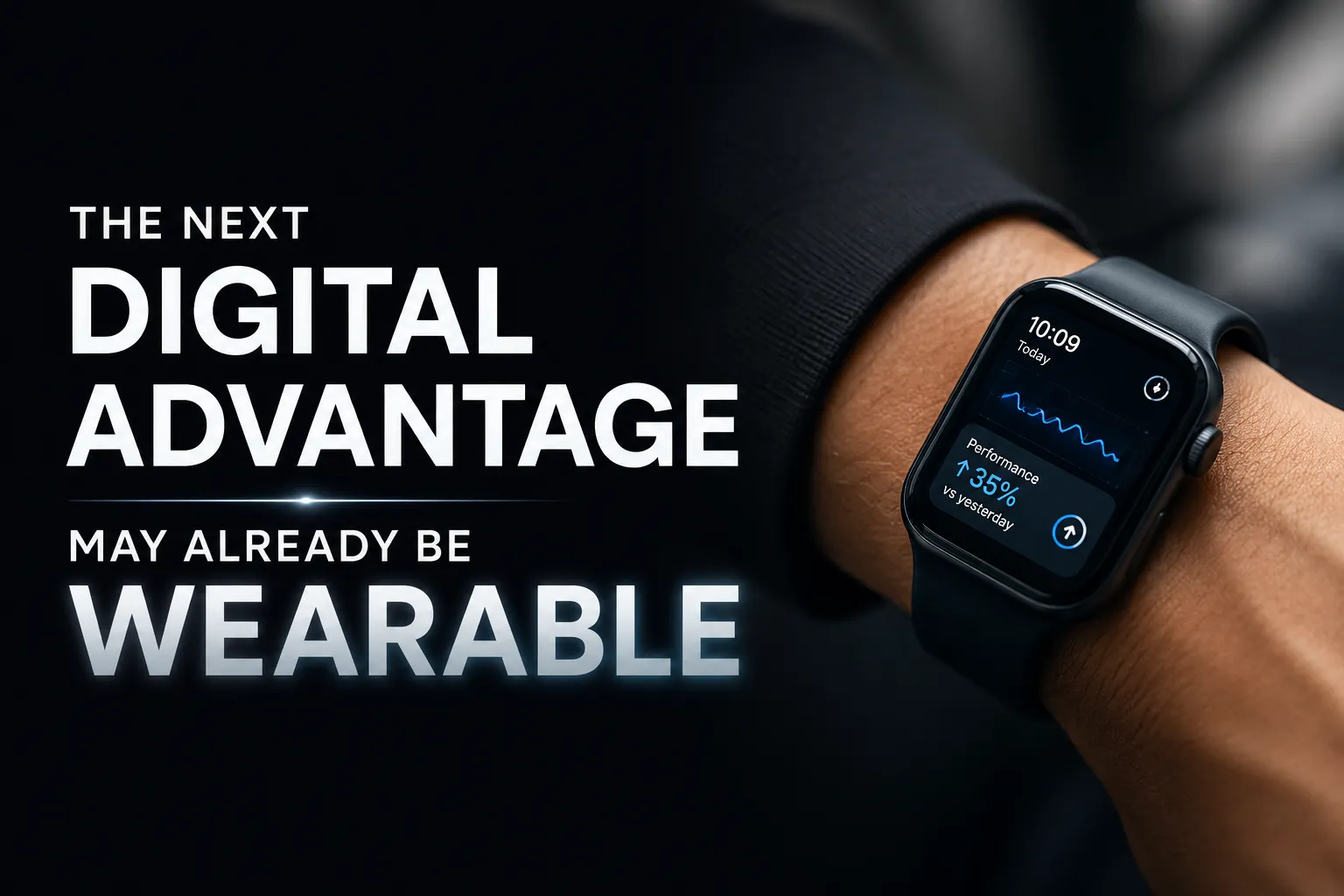
Businesses have spent years competing through websites, mobile apps, cloud platforms and digital transformation initiatives. Yet a quieter technology movement is creating a new layer of customer engagement and operational intelligence. It lives on wrists, clips onto clothing, tracks health metrics, supports field workers and delivers information without demanding attention.
Wearable technology is no longer a niche category associated only with fitness enthusiasts. It has become a practical business tool capable of improving productivity, enhancing customer experiences and generating valuable real-time insights.
Organizations that recognize this evolution early are discovering opportunities that extend beyond traditional mobile experiences. A specialized wearable app development service helps businesses transform connected devices into meaningful digital touchpoints that remain active throughout the day.
Digital Experiences Are Moving Closer to the User
Most digital interactions still depend on users opening an app, logging into a platform or responding to notifications. Wearables reduce those barriers by delivering information instantly and contextually.
A smartwatch notification can replace multiple app interactions. A healthcare wearable can monitor patient conditions continuously. A connected device can provide guidance to workers without interrupting their tasks.
The difference is subtle but important.
Instead of waiting for users to engage, wearable applications bring relevant information directly to them when it matters most.
That shift is changing how businesses think about customer engagement.
Why Businesses Are Paying Attention to Wearable Technology
Wearables create a level of accessibility that traditional applications cannot easily replicate. Since the devices remain connected to users throughout the day, businesses gain more opportunities to provide value in real time.
Several factors are driving adoption:
- Growing consumer comfort with smart devices
- Increased demand for personalized experiences
- Improvements in sensor technology
- Better connectivity and cloud integration
- Expanding use cases across industries
Companies are beginning to view wearables as part of a larger digital ecosystem rather than standalone devices.
The result is a growing demand for custom wearable application development that aligns with specific business objectives.
Wearables Are Solving Real Business Problems
The strongest technology investments are usually connected to measurable outcomes. Wearable solutions are proving their value across multiple industries by addressing operational challenges and improving user experiences.
Healthcare providers use wearable apps to monitor patient wellness outside clinical environments. Fitness companies deliver personalized coaching and performance tracking. Retail businesses create faster purchasing journeys and loyalty experiences.
Enterprise organizations are also finding practical applications.
Connected devices can support workforce management, safety monitoring, equipment tracking and real-time communication in industries where immediate access to information matters.
These capabilities are helping businesses operate more efficiently while delivering better service experiences.
Better Visibility Through Real-Time Data
Data becomes significantly more valuable when it arrives instantly.
Wearable devices continuously collect information related to activity, location, performance, health indicators and user behavior. Organizations can leverage this information to identify patterns, improve services and make faster decisions.
Real-time intelligence supports:
- Performance monitoring
- Predictive maintenance
- Personalized recommendations
- Customer behavior analysis
- Operational optimization
Access to timely insights often creates a competitive advantage that traditional reporting systems cannot provide.
The New Standard for Customer Engagement
Customer expectations continue to evolve. Speed, convenience and personalization have become essential components of digital experiences.
Wearable applications support these expectations naturally.
A user can receive reminders, health updates, personalized recommendations, navigation assistance or transaction confirmations within seconds. The interaction feels seamless because it requires minimal effort.
This convenience strengthens engagement and encourages long-term adoption.
Businesses investing in wearable app solutions often see improvements in user retention because the experience becomes integrated into daily routines rather than occasional interactions.
What Defines a Successful Wearable Application?
Creating an effective wearable experience requires a different mindset than traditional mobile development.
Smaller screens, shorter interactions and limited attention spans demand simplicity and precision.
Successful wearable applications often focus on:
- Fast access to essential information
- Clear and intuitive interfaces
- Efficient battery performance
- Secure data management
- Reliable device synchronization
- Smooth cross-platform functionality
A capable wearable app development company understands how to balance usability with performance while ensuring the application supports broader business goals.
The most effective solutions remove complexity rather than adding new layers of it.
Technologies Expanding Wearable Possibilities
Modern wearable ecosystems continue to evolve through advances in artificial intelligence, cloud computing, sensor technology and connected infrastructure.
AI-powered applications can analyze user behavior and deliver highly personalized experiences. Machine learning algorithms help identify trends, predict outcomes and automate recommendations.
Cloud environments support continuous synchronization across multiple devices while maintaining accessibility and scalability.
Emerging innovations include:
AI-Driven Personalization
Wearables can adapt experiences based on user behavior, preferences and activity patterns, making interactions more relevant and valuable.
Advanced Sensor Integration
Improved sensors allow applications to capture increasingly accurate data related to health, movement, environmental conditions and physical performance.
Connected Device Ecosystems
Wearables now communicate seamlessly with smartphones, enterprise platforms, IoT systems and cloud-based applications, creating richer digital experiences.
These technological advancements continue to expand the scope of wearable app development solutions across industries.
Choosing the Right Development Partner
Technology alone does not determine success. The expertise behind the solution often has a greater impact on outcomes.
Businesses evaluating wearable development providers should look beyond coding capabilities and assess their ability to understand industry requirements, user expectations and long-term growth objectives.
Important considerations include:
- Experience with wearable platforms
- User-centric design expertise
- Security and compliance knowledge
- Integration capabilities
- Scalability planning
- Post-launch support services
A strategic development partner focuses on building solutions that remain relevant as technology and user expectations evolve.
Wearables Are Becoming Part of the Competitive Landscape
The conversation around digital transformation is expanding. Mobile applications remain important, but organizations are increasingly exploring technologies that create more direct and meaningful interactions.
Wearables fit naturally into that evolution.
They provide constant connectivity, generate valuable insights and support personalized experiences across industries. More importantly, they help businesses remain present in moments where traditional digital channels often cannot reach.
Companies that embrace wearable innovation today are building foundations for the next generation of customer engagement and operational efficiency.
The next major digital advantage may not arrive through a bigger platform or a more complex system. It may already be sitting on a wrist, collecting data, delivering insights and creating opportunities that many businesses have only begun to explore.
FAQs
Is a wearable application different from a mobile app?
Yes. Wearable applications are specifically designed for smart devices such as watches, fitness trackers and connected wearables, requiring unique interfaces and interaction models.
Does the cost of wearable app development vary by project requirements?
Yes. The cost of wearable app development depends on factors such as feature complexity, device compatibility, third-party integrations, user experience design, security requirements, and maintenance needs.
Can wearable apps integrate with existing business systems?
Most modern wearable applications can integrate with CRM platforms, healthcare systems, enterprise software, cloud environments and mobile applications.
Which wearable platforms are commonly supported?
Development typically includes platforms such as Wear OS, watchOS, fitness trackers, healthcare wearables and custom IoT-connected devices.
How do wearable applications improve customer retention?
They provide faster access to information, personalized interactions and continuous engagement, helping users incorporate the experience into their daily routines.
What should businesses prioritize before starting a wearable app project?
Organizations should define target users, business objectives, device requirements, integration needs, security expectations and long-term scalability goals before development begins.