The Meaning of Silence During Maa Baglamukhi Meditation
By Aadhya Singh
9 Views
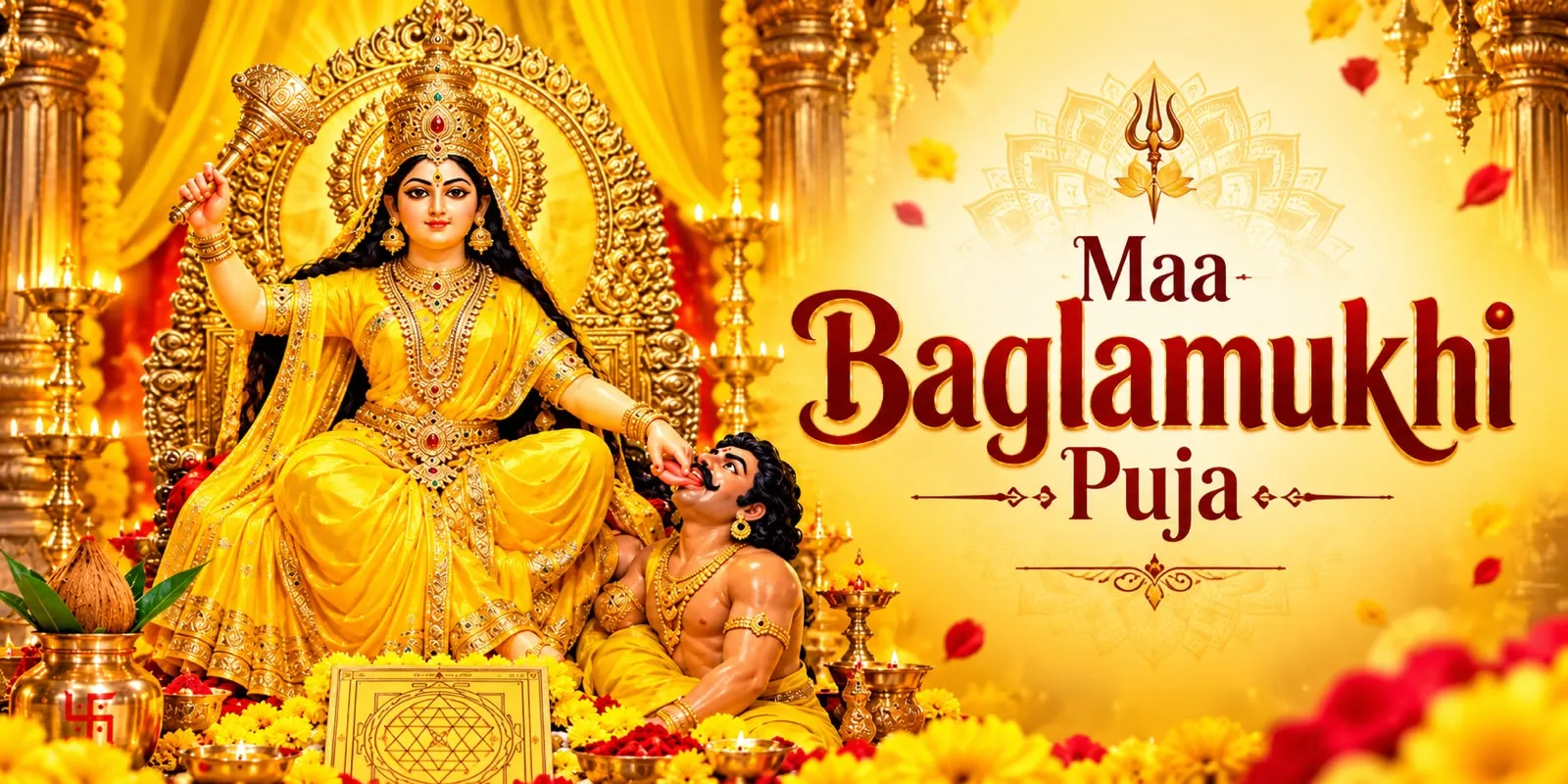
Silence can be a meaningful part of meditation and devotional prayer. When preparing to worship Maa Baglamukhi, taking a few quiet moments may help devotees step away from everyday distractions and approach their practice with greater attention. Rather than treating silence as an empty space, many people use it as an opportunity to reflect, observe their thoughts, and reconnect with their spiritual intentions.
Baglamukhi meditation silence can be understood through the goddess's traditional association with restraint, stillness, and the control of harmful speech. Within Hindu Shakta traditions, Maa Baglamukhi is one of the ten Mahavidyas and is often worshipped in connection with the power to restrain opposing forces. These religious associations offer a meaningful context for reflecting on silence, although individual meditation practices and interpretations may vary.
This guide explores the meaning of silence during Maa Baglamukhi meditation, how it can support mindful prayer, and practical ways to incorporate quiet reflection into a personal devotional routine.
What Does Silence Mean During Maa Baglamukhi Meditation?
Silence during meditation means creating a period in which unnecessary speaking and external distractions are reduced so that attention can turn toward prayer or reflection. It does not necessarily mean stopping every thought or achieving a completely empty mind.
For devotees of Maa Baglamukhi, silence can be a reminder to approach worship with patience, awareness, and self-discipline. It provides an opportunity to notice habitual reactions and consider how words and actions affect everyday relationships.
The meaning of silence may differ from one practitioner to another. Some devotees prefer sitting quietly before beginning a mantra, while others include a short period of reflection after prayer. Neither approach needs to be complicated to be meaningful.
The Connection Between Maa Baglamukhi and Restraint
Maa Baglamukhi is traditionally associated with stambhana, a Sanskrit term commonly understood as restraining or stopping. Her iconography often includes the symbolic restraint of an opponent's tongue, connecting her imagery with speech and the power to stop harmful expression.
In this religious context, silence can prompt reflection on the importance of speaking thoughtfully. It may encourage devotees to pause before reacting in anger, avoid unnecessary arguments, and consider whether their words are constructive.
This is a personal application of the goddess's symbolism rather than a claim that silence has one universally prescribed meaning in every Baglamukhi tradition.
Does Meditation Require Complete Silence?
No. Meditation does not always require absolute silence, and a quiet environment is not essential for every form of practice.
Some people meditate in a peaceful room, while others use a gentle devotional chant or focus on their natural breathing. Everyday sounds may still be present, especially in a busy household.
The purpose is to develop attention rather than become frustrated by every interruption. If you hear a sound or notice a thought, acknowledge it and gently return to your chosen focus.
How Silence Supports Mindful Prayer
Mindful prayer involves giving attention to the prayer or devotional activity taking place instead of performing it automatically while thinking about unrelated tasks.
A short period of silence before worship can help create a transition between everyday responsibilities and devotional practice. It gives you time to settle down, consider your intention, and prepare to participate respectfully.
Creating Space for a Clear Intention
Before beginning Maa Baglamukhi meditation, consider what you hope to bring to your practice. Your intention might involve expressing gratitude, seeking clarity, developing patience, or learning more about the goddess's religious significance.
You do not need a lengthy statement. A simple thought can help direct your attention toward the purpose of your prayer.
For example, you might decide to focus on speaking responsibly during difficult conversations or approaching a personal challenge with greater composure. Returning to this intention during meditation can make the experience more personal.
Listening to Your Thoughts Without Reacting Immediately
Silence can make ordinary thoughts easier to notice. You may remember unfinished work, family concerns, or a conversation that upset you.
Instead of trying to force these thoughts away, recognize that they have appeared. Then gently return your attention to your breathing, prayer, or chosen devotional focus.
This practice may help you become more aware of habitual reactions. Over time, that awareness can support more thoughtful responses in everyday situations, although individual experiences differ.
Understanding the Difference Between Silence and Suppression
Silence does not mean ignoring difficult emotions or refusing to discuss important problems. It is possible to meditate quietly and still acknowledge that you feel worried, frustrated, or hurt.
If a situation requires communication, setting a boundary, or asking for help, those actions may be necessary. A quiet meditation period can provide space to reflect before deciding what to do.
This distinction is important when connecting devotional silence with the symbolism of restraint. Thoughtful speech is not the same as avoiding every difficult conversation.
The Role of Inner Calm in Maa Baglamukhi Meditation
Inner calm refers to a sense of steadiness that can make it easier to respond thoughtfully to changing circumstances. Meditation may help some people develop greater awareness of their thoughts and reactions, but it does not guarantee that all worries or emotions will disappear.
For devotees, silence can be one way to approach prayer without rushing. It offers a pause in which the mind can turn away from immediate demands and focus on a chosen spiritual practice.
Use Natural Breathing to Settle Your Attention
A simple way to begin is to sit comfortably and notice your natural breathing. There is no need to force deep breaths or follow a complicated breathing technique.
As you breathe normally, pay attention to the sensation of breathing in and out. When your mind wanders, gently bring your focus back.
You can do this for one or two minutes before starting your prayer. The goal is not to achieve a special state but to create a manageable opportunity for attention and reflection.
Allow Emotions to Be Present
Meditation may feel different on different days. Sometimes you may experience a sense of ease, while at other times you may feel restless or distracted.
Neither experience automatically indicates success or failure. Instead of judging your practice by how peaceful you feel, focus on whether you are giving yourself time to participate sincerely.
If sitting quietly increases your distress, you can stop, open your eyes, and return to an ordinary grounding activity. Meditation should remain a comfortable and voluntary practice.
How to Build a Simple Baglamukhi Meditation Practice
A consistent meditation practice does not have to take a long time. A short, realistic routine can be easier to maintain than an elaborate schedule that becomes difficult to follow.
Step 1: Prepare a Comfortable Space
Choose a clean, comfortable place where you can sit without unnecessary interruptions. If you have a home mandir, you may use that area. Otherwise, a quiet corner is sufficient for personal reflection.
You do not need special equipment or elaborate decorations. If you are preparing for a formal puja, follow the arrangements and instructions appropriate to that ceremony.
Step 2: Begin With a Short Period of Silence
Sit comfortably and allow yourself a brief pause before prayer. Put aside your phone if possible and avoid rushing into the next activity.
Spend one or two minutes noticing your breathing or reflecting on your intention. If thoughts arise, acknowledge them without criticism.
This opening period can help establish a more deliberate approach to worship.
Step 3: Choose a Suitable Focus
Depending on your practice, you may focus on a familiar prayer, a devotional hymn, the meaning of Maa Baglamukhi's traditional imagery, or your natural breathing.
If you are learning a mantra or following a formal meditation method, seek reliable guidance about its wording and use. Do not assume that every mantra or ritual instruction is interchangeable.
Choose a method that fits your experience and the tradition you follow.
Step 4: End With Reflection
After prayer, remain quiet briefly and consider what you want to take from the experience. You might reflect on patience, responsible communication, or a question about the goddess's symbolism that you want to explore.
There is no need to evaluate your meditation with a score. A simple acknowledgment of what you noticed is enough.
Common Mistakes to Avoid During Meditation
A thoughtful approach to silence becomes easier when you avoid creating unnecessary pressure.
· Trying to eliminate every thought: Thoughts naturally arise. Gently returning to your focus is more realistic than demanding a completely empty mind.
· Expecting instant inner calm: Meditation experiences vary, and peaceful feelings are not guaranteed.
· Treating silence as a replacement for communication: Important concerns may still require honest discussion and practical action.
· Following unverified ritual instructions: Consult a trusted religious source or knowledgeable priest when you have questions about specific Baglamukhi practices.
· Making the routine too complicated: Begin with a few minutes and adjust the practice according to your needs.
Avoiding these mistakes can make meditation more approachable and help keep the practice connected with its intended purpose.
How Silence Can Influence Everyday Conduct
One practical way to reflect on silence is to consider how it affects communication outside meditation. A pause before responding to a frustrating message, for example, may help you choose clearer and more respectful words.
Similarly, listening without interrupting can improve conversations and help prevent misunderstandings. These habits do not require avoiding disagreements. They involve responding with greater awareness rather than reacting automatically.
For devotees who connect Maa Baglamukhi's symbolism with restraint, these everyday applications can provide a personal way to reflect on the relationship between spiritual practice and conduct.
However, meditation is not a substitute for resolving serious conflicts, seeking professional support when needed, or taking appropriate action in difficult circumstances.
Conclusion
Silence during Maa Baglamukhi meditation can provide an opportunity to develop attention, reflect on religious symbolism, and approach prayer with greater intention. Through a quiet pause, natural breathing, and mindful prayer, devotees can create space to consider their thoughts and respond more thoughtfully to everyday situations.
The meaning of Baglamukhi meditation silence is not limited to sitting without speaking. It can also involve learning when to pause, when to listen, and when to choose words carefully.
Start with a short, comfortable practice that respects your beliefs and circumstances. By approaching silence without unrealistic expectations, you can make it a useful part of your devotional routine while appreciating Maa Baglamukhi's traditional association with restraint and disciplined expression.
Related Reading
Why Lifestyle & Culture is Transforming the Global Industry Landscape
Welcome to our in-depth exploration of Lifestyle & Culture. In an era define...
Expert Insights: Navigating the Complex World of Lifestyle & Culture
Welcome to our in-depth exploration of Lifestyle & Culture. In an era define...