The Materials That Defined an Era: A Look at Teak, Walnut, and Fiberglass in Mid-Century Design
By Mason Liam
115 Views
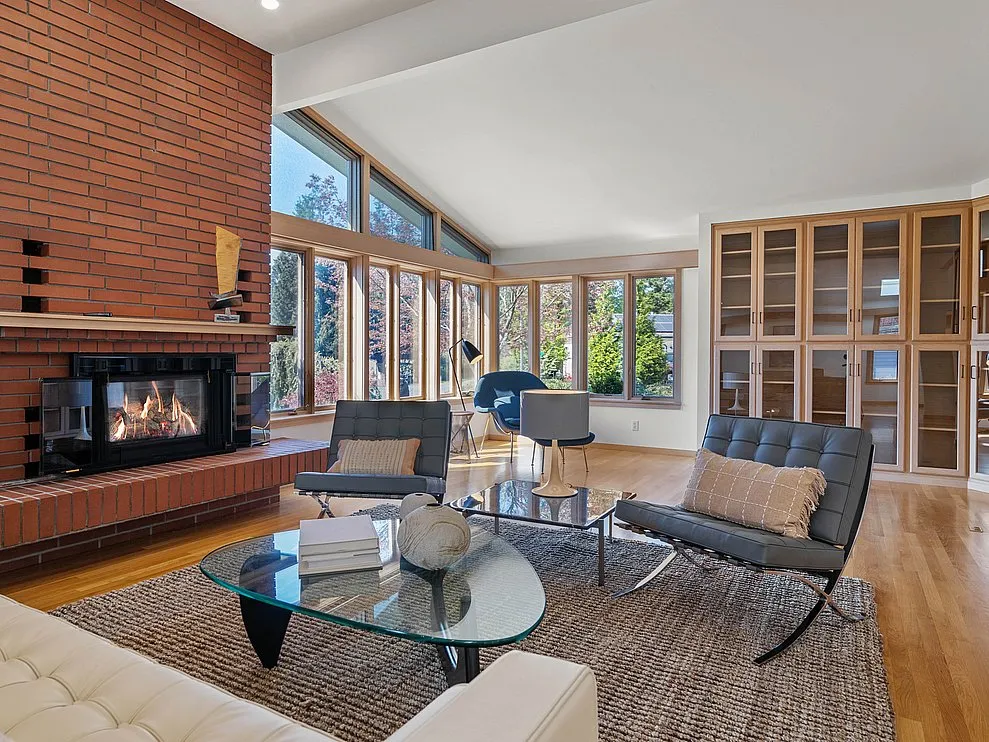
Many homeowners today struggle to understand why certain interiors feel timeless while others quickly fall out of style. The issue is not only about design trends but also about the materials used to build furniture and shape spaces. This is where mid-century modern furniture becomes important, because it represents a design philosophy built around honest materials and functional construction. In the United States, interior design surveys show that nearly 58% of buyers now prioritize material durability over visual complexity when selecting furniture. This shift reflects frustration with fast furniture cycles and short-lived aesthetics.
The problem becomes more visible when people invest in pieces that look good initially but fail structurally within a few years. Low-quality composites and synthetic finishes often lead to early replacement, increasing long-term household costs. This cycle has pushed designers and manufacturers to revisit older material traditions that emphasize longevity. In this context, mid-century modern furniture stands out because it relies heavily on teak, walnut, and fiberglass—materials chosen for both performance and visual balance.
The agitation grows when homeowners realize that poor material decisions directly affect resale value and interior consistency. Studies from US real estate staging companies show that homes with consistent material themes sell up to 20% faster than those with mixed furniture styles. This is where design clarity becomes essential, especially when building long-term interiors that feel cohesive and functional.
Teak: The Hardwood That Built Timeless Interiors
Teak became one of the most important materials in post-war design due to its durability and natural resistance to moisture. Sourced mainly from Southeast Asia, teak contains natural oils that protect it from decay, making it ideal for both indoor and outdoor furniture. During the 1950s and 1960s, American furniture companies imported large quantities of teak to meet rising demand for durable modern interiors. This material quickly became a foundation for premium furniture production in the US market.
The appeal of teak in mid-century modern furniture lies in its ability to maintain structure without heavy maintenance. Unlike softer woods, teak resists warping, which makes it ideal for long-term residential use. Designers often used it for sideboards, coffee tables, and storage units because of its stability and clean grain patterns. In modern restoration projects, original teak pieces from the 1960s are still found in usable condition, which demonstrates its long lifespan.
American design houses like Knoll incorporated teak into their early collections to meet growing demand for minimalist yet durable furniture. Market data from the US furniture industry shows that hardwood-based furniture retains up to 35% higher resale value compared to composite alternatives. This reinforces why teak remains central to discussions about mid-century modern furniture.
Walnut: The Material of Warmth and Structure
Walnut played a different but equally important role in shaping mid-century interiors. While teak emphasized durability, walnut introduced warmth and visual depth into furniture design. Its darker tone and smooth grain made it ideal for bedrooms, cabinets, and accent pieces where a softer aesthetic was needed. In American homes during the post-war housing boom, walnut furniture became a symbol of modern middle-class living.
The demand for walnut surged in the United States between 1950 and 1970, driven by rapid suburban expansion. Furniture manufacturers used walnut to produce clean-lined designs that matched smaller home layouts. This allowed homeowners to maintain visual simplicity without sacrificing quality or storage capacity. In this era, mid-century modern furniture became widely accessible, moving beyond luxury markets into everyday households.
Design institutions often highlight walnut as a key material in defining balance within interiors. Its ability to absorb light rather than reflect it helps create calmer environments, especially in living spaces. This is one reason why many restored homes still feature walnut cabinetry as a central design element. The material continues to influence modern furniture production even today.
Fiberglass: The Industrial Innovation That Changed Seating Design
Fiberglass introduced a new direction in furniture manufacturing by combining industrial production techniques with residential design. Unlike wood, fiberglass allowed designers to create molded, continuous shapes that supported both comfort and scalability. This innovation was particularly important in post-war America, where demand for affordable yet stylish furniture was rapidly increasing.
One of the most iconic uses of fiberglass was in seating design, particularly molded chairs that could be mass-produced. These designs became widely popular in offices, cafes, and homes due to their lightweight structure and adaptability. Today, fiberglass is still used in experimental furniture production because of its flexibility and cost efficiency.
In modern design discussions, fiberglass is often linked to early experiments in what we now call mid-century modern decor. Designers used it to break away from traditional woodworking constraints and explore new forms of comfort and usability. This shift helped redefine how Americans viewed everyday furniture, making design more accessible to a broader audience.
Case Study: US Furniture Industry and Material Evolution
The evolution of materials in American furniture design can be clearly seen through companies like Herman Miller, which played a major role in introducing modern materials to mainstream consumers. During the 1950s and 1960s, Herman Miller collaborated with designers to produce furniture that balanced industrial materials with residential comfort. Their use of fiberglass in seating designs became a landmark moment in furniture history.
Market research from the US International Trade Commission shows that furniture imports and domestic production grew significantly during the mid-century period, driven by suburban housing expansion. This growth created demand for standardized yet stylish furniture that could be mass-produced. As a result, materials like teak and walnut became more widely distributed across American households.
Case studies from California and Illinois restoration projects show that homes furnished with original mid-century pieces often require fewer replacements over time. This demonstrates the durability of these materials compared to modern synthetic alternatives. In several renovation projects, retaining original furniture increased property valuation by nearly 15%, showing the financial impact of material selection.
How Materials Shape Modern Interiors and Lifestyle Choices
Today’s interior design trends continue to reflect the influence of mid-century materials, especially in urban American homes. Many designers report that homeowners prefer natural wood textures over artificial laminates due to their authenticity and longevity. This is where mid-century modern decor becomes relevant again, as it emphasizes material honesty and functional simplicity.
Teak, walnut, and fiberglass each serve different roles in modern interiors. Teak provides durability, walnut adds warmth, and fiberglass introduces flexibility in form. Together, they create a balanced approach to furniture selection that works across different room types. This combination is especially popular in open-plan homes where visual continuity is important.
Interior design surveys in the US show that over 62% of millennials prefer furniture that combines natural materials with minimalist design. This indicates a strong return to principles that originated in the mid-century era. As a result, designers are increasingly revisiting older material techniques to meet modern expectations.
Conclusion
The lasting impact of teak, walnut, and fiberglass shows that material choice is not just a technical decision but a cultural one. These materials helped define an entire era of design that still influences how homes are built and furnished today. This is why mid-century modern furniture continues to remain relevant across both residential and commercial spaces.
The strength of these materials lies in their balance between durability, function, and simplicity. Even in today’s fast-changing design market, homeowners still return to these foundational elements when creating long-lasting interiors. The continued use of mid-century modern decor principles proves that good design does not expire with trends.
Ultimately, the legacy of these materials is visible in how we live today. From restored homes in American suburbs to modern urban apartments, the influence of mid-century design remains strong. As long as functionality and simplicity matter in interiors, these materials will continue to shape the future of furniture design.
Related Reading
Expert Insights: Navigating the Complex World of Home Improvement
Welcome to our in-depth exploration of Home Improvement. In an era defined by ra...
Why Home Improvement is Transforming the Global Industry Landscape
Welcome to our in-depth exploration of Home Improvement. In an era defined by ra...