The Importance of Shipment Visibility in Modern Supply Chain Management
By Lisa Shelby
14 Views
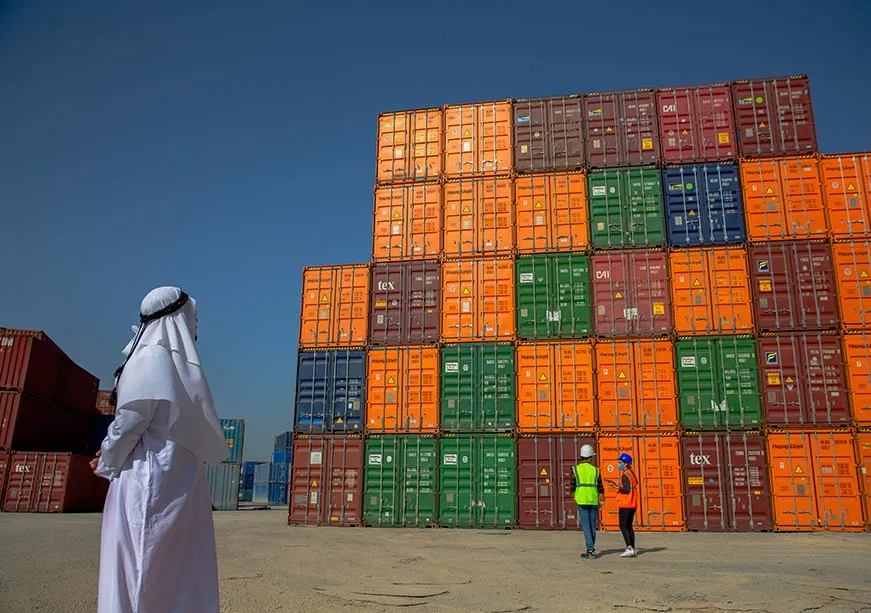
Modern supply chains involve many connected activities, from sourcing materials and arranging transportation to storing goods and delivering orders. When shipments move between suppliers, warehouses, ports, and customers, businesses need accurate information to understand where their goods are and when they are expected to arrive.
Shipment visibility provides this information. It allows businesses to monitor cargo movement, receive updates about important shipping stages, and identify potential delays. With better visibility, companies can make informed decisions, manage customer expectations, and respond more effectively when transportation plans change.
As supply chains become more international and complex, shipment visibility has become an important part of reliable logistics management.
What Is Shipment Visibility?
Shipment visibility is the ability to track and monitor goods as they move through the supply chain. It provides information about a shipment’s location, status, and progress from dispatch to delivery.
Depending on the logistics system and service provider, shipment visibility may include updates such as cargo collection, departure, arrival at a port, customs clearance, transfer between transport methods, and final delivery.
Businesses can receive this information through tracking platforms, logistics management software, transport provider updates, or communication with freight forwarders.
Shipment visibility does not always mean that every movement is tracked in real time. The frequency and detail of updates depend on the systems and services involved. However, even regular milestone updates can help businesses plan more effectively.
Why Shipment Visibility Matters
Businesses need reliable information to manage their supply chains. Without clear shipment updates, companies may not know whether goods are moving according to schedule or whether a delay could affect their operations.
For example, a manufacturer waiting for imported materials may need to adjust its production schedule if a shipment arrives later than expected. An e-commerce business may need to update customers when an order is delayed. A retailer may need to review stock availability before launching a promotion.
Shipment visibility helps businesses identify these situations earlier. Instead of waiting until a delivery deadline has passed, companies can use available information to make decisions and take action.
This can reduce uncertainty and support more organised supply chain management.
Improving Delivery Planning
Delivery planning depends on knowing when goods are likely to arrive. Shipment visibility provides updates that help businesses compare actual progress with expected schedules.
When a shipment is moving according to plan, businesses can prepare for receiving, storage, or onward transportation. If a delay occurs, they may be able to adjust schedules before the goods reach their destination.
Accurate shipment information can also help businesses plan labour and warehouse resources. For example, a warehouse may arrange staff and equipment based on the expected arrival of a large shipment.
Although tracking updates cannot eliminate transportation delays, they can help businesses manage the consequences more effectively.
Supporting Inventory Management
Inventory management becomes more difficult when goods are transported over long distances or sourced from multiple suppliers. Businesses need to know both the stock they currently hold and the products that are on their way.
Shipment visibility helps connect incoming cargo with inventory planning. When companies have a clearer idea of when stock will arrive, they can make better decisions about replenishment, storage, and order fulfilment.
This can reduce the risk of unexpected shortages. It may also help businesses avoid holding excessive inventory simply because they are uncertain about delivery schedules.
For products with long lead times or seasonal demand, shipment visibility can be especially useful. It allows businesses to monitor incoming stock and adjust plans when shipment progress changes.
Helping Businesses Respond to Delays
Delays can occur because of weather, port congestion, transport capacity shortages, customs inspections, or other unexpected events. Shipment visibility helps businesses identify when a delivery is no longer progressing as expected.
Early information gives companies more time to consider their options. Depending on the situation, they may adjust production schedules, arrange alternative transport, use available inventory, or inform customers about a revised delivery date.
The ability to respond depends on the nature of the shipment and the alternatives available. However, earlier awareness can make it easier to choose a practical response rather than reacting after the disruption has already affected operations.
Strengthening Customer Communication
Customers often want to know when their orders will arrive and whether anything has changed. Clear shipment information helps businesses provide more accurate updates and manage customer expectations.
For e-commerce companies, shipment visibility can support order tracking and reduce uncertainty after a purchase. For business-to-business transactions, it can help buyers plan receiving schedules, production activities, or distribution arrangements.
When delays occur, businesses can communicate with customers earlier and provide realistic information. This is often more helpful than leaving customers without an update until the expected delivery date has passed.
Reliable communication can improve customer confidence and support stronger business relationships.
Improving Coordination Between Supply Chain Partners
International shipments may involve suppliers, exporters, freight forwarders, carriers, customs professionals, warehouses, and final delivery providers. Each party may manage a different part of the process.
Shipment visibility helps these parties work with shared information. When updates are available, businesses can coordinate activities more effectively and reduce confusion about shipment status.
For example, a warehouse can prepare for an incoming delivery, while a logistics team can review whether the shipment needs additional documentation or onward transportation.
Clear information can also help identify where a delay occurred. This makes it easier to communicate with the relevant service provider and determine what action may be required.
Supporting Better Cost Control
Shipment visibility can help businesses understand how transportation performance affects costs. Delays may lead to additional storage, handling, or operational expenses. If a company receives information about a delay early, it may have more time to reduce some of these costs.
Tracking shipment progress can also help businesses review logistics performance over time. They may identify routes that frequently experience delays, service providers that require closer review, or shipping arrangements that are not meeting expectations.
This information can support better decisions about transport methods, shipment schedules, and logistics partners.
However, visibility alone does not guarantee lower costs. Its value comes from using accurate information to make timely and practical decisions.
The Role of Technology in Shipment Visibility
Technology has made shipment visibility easier to manage across many supply chains. Tracking platforms, logistics management systems, digital documentation, and inventory software can help businesses collect and share shipment information.
Depending on the system, businesses may receive status updates, estimated arrival times, alerts about delays, and records of key shipment milestones.
These tools can reduce the need for repeated manual enquiries and help teams access information in one place. They may also support reporting and performance analysis.
Businesses should choose technology that fits their operational needs. A small company with occasional shipments may need a simple tracking process, while a business managing frequent international cargo may benefit from a more integrated logistics platform.
Accurate data and consistent updating remain important. Technology is only useful when the information it provides is reliable.
Shipment Visibility in International Shipping
International shipping involves additional stages that can make shipment visibility particularly important. Goods may pass through several transport providers, ports, customs procedures, and distribution centres before reaching their destination.
Businesses need to understand how these stages affect the shipment’s progress. Updates about departure, arrival, customs clearance, and onward movement can help companies plan around international transit times.
Documentation and regulatory requirements can also affect shipment status. If additional information is required during customs clearance, businesses may need to respond quickly to avoid unnecessary delays.
Working with an experienced logistics partner can help businesses coordinate shipment updates and understand the different stages of international cargo movement. For customs-related support, businesses may find this service page relevant:
https://nobleline.ae/services/customs-clearance/
Choosing a Logistics Partner With Clear Communication
Shipment visibility depends partly on the information provided by logistics partners. Businesses should consider how a provider communicates shipment progress and whether updates are clear, timely, and easy to access.
Before choosing a provider, companies can ask about available tracking systems, shipment milestones, reporting procedures, and how delays are communicated.
A suitable logistics partner should help businesses understand the status of their cargo and provide practical information when plans change. Clear communication is especially important for time-sensitive shipments or businesses that depend on regular inventory replenishment.
Businesses involved in international cargo movement can learn more about logistics services at:
Using Shipment Data for Continuous Improvement
Shipment visibility can provide more than updates about individual deliveries. Over time, businesses can use shipment records to review supply chain performance and identify areas for improvement.
Useful measures may include delivery reliability, transit time, frequency of delays, customs clearance time, and the performance of different transport routes.
Reviewing these measures can help companies identify recurring problems. For example, if shipments from a particular route regularly arrive late, the business may need to review its schedule or consider an alternative arrangement.
Businesses should also use shipment data to assess whether their delivery estimates are realistic. More accurate planning can improve customer communication and help teams manage resources more effectively.
Conclusion
Shipment visibility is an important part of modern supply chain management because it gives businesses clearer information about the movement of goods. It supports delivery planning, inventory control, customer communication, coordination between logistics partners, and more informed cost decisions.
While shipment visibility cannot prevent every delay, it can help businesses identify problems earlier and respond with greater confidence. Technology, accurate data, and reliable communication all contribute to an effective visibility process.
For businesses operating across international markets, better shipment visibility can reduce uncertainty and support more reliable logistics operations. By using shipment information to improve planning and decision-making, companies can build stronger supply chains and provide a more consistent experience for their customers.
Related Reading
Top 10 Hidden Secrets About Business & Finance You Need to Know
Welcome to our in-depth exploration of Business & Finance. In an era defined...
Why Business & Finance is Transforming the Global Industry Landscape
Welcome to our in-depth exploration of Business & Finance. In an era defined...