The Engagement Ring Market in the UK in 2026: What Has Actually Changed and What It Means?
By Karob Jewels
55 Views
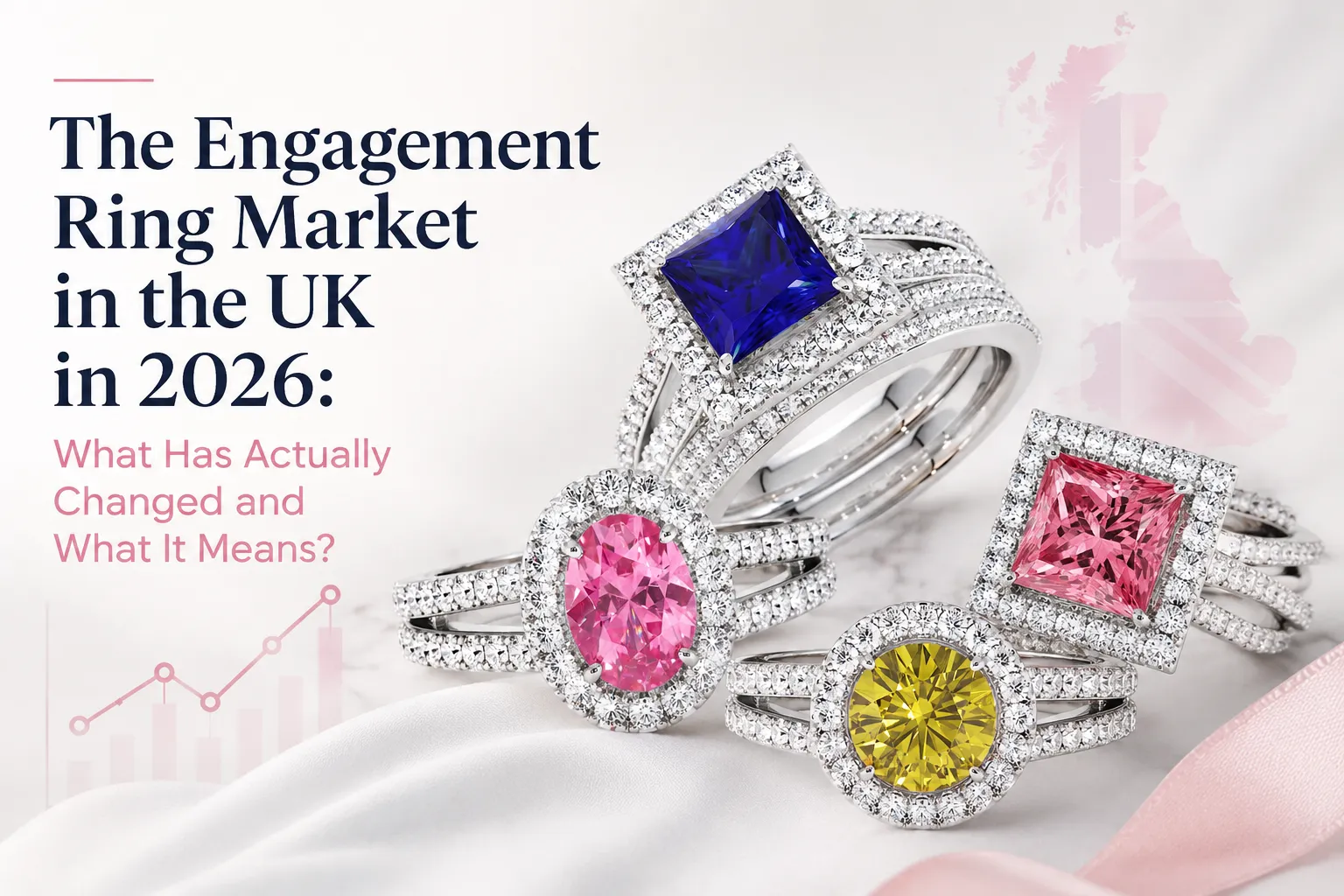
If you are buying engagement rings in the UK this year, you are doing so in a market that looks meaningfully different to the one that existed even two years ago. Not incrementally different but structurally different. The stones people are choosing, the metals they are pairing them with, the questions they are asking before they commit, and the assumptions they are bringing into jewellers have all shifted in ways that are real, measurable, and consequential for anyone making this decision right now.
This article with help you stay updated with the current market data rather than trend speculation. It covers what the numbers actually show about engagement ring choices in the UK in 2026, what it means for a buyer navigating this market today, and what the questions are that truly matter before any decision is made.
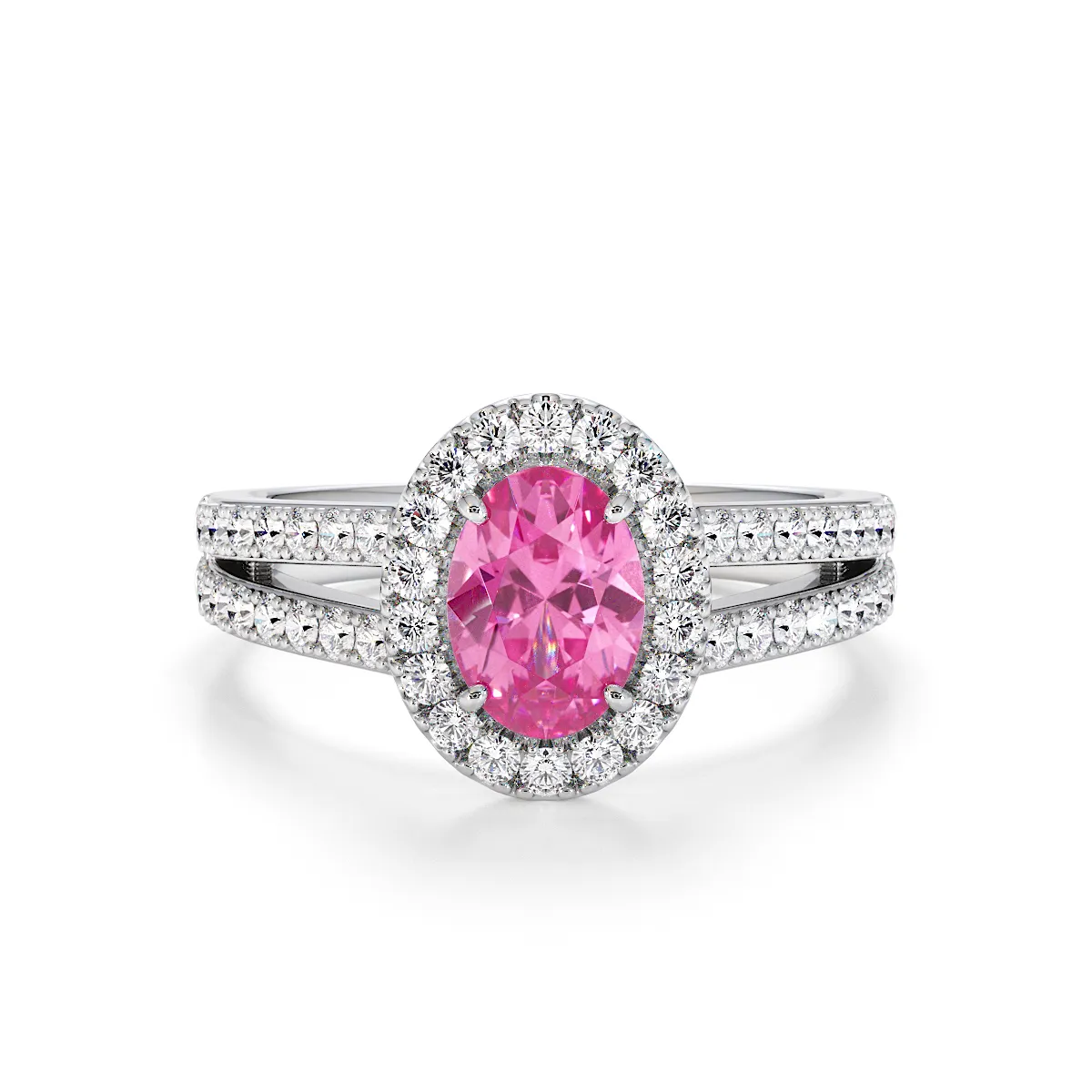
The Numbers That Reveal the True State of the UK Engagement Ring Market in 2026
Lab Grown Gemstones Have Won
The most significant structural shift in the UK engagement ring market is the one that has been building for several years and has now reached a point of genuine mainstream dominance. Lab grown diamonds account for around 70 percent of engagement ring sales in 2025, compared to 30 percent for natural diamonds. That is not a niche preference or a trend among a specific demographic but the market itself.
According to data from Fortune Business Insights, the average engagement ring spend has remained steady at 5,750 Euros but with couples getting more value from their budget than ever before, the plateau in spending reflects the growing popularity of lab grown diamonds rather than any reduction in what couples are willing to invest.
What this means practically for anyone buying engagement rings in the UK right now is that the budget question has changed. Consumers who chose natural diamond engagement rings paid an average of 7,000 Euros for a 1.6-carat stone, while lab-grown buyers paid 4,300 Euros for a 2-carat stone, which creates a dramatic value differential that is reshaping what couples consider possible within a given budget.
Coloured Gemstone Engagement Rings Are Growing at a Strong Rate
The second most significant shift in the UK market is the one that is most relevant to anyone considering a gemstone engagement ring or blue sapphire ring as their primary choice. Sales of coloured gemstones were up 55 percent year-on-year, as were coloured diamonds, including black and yellow diamonds, which were up 22 percent.
In 2026, the coloured sapphires continue their rise, offering depth, individuality, and extraordinary durability, ranging from deep royal blue to soft cornflower, teal, blush pink, and golden yellow.
These are not small movements at the edges of the market. It is a clear 44 per cent year-on-year increase in the selection of sapphire centre stones, alongside a 55 per cent increase in coloured gemstone sales overall, which strongly represents a genuine restructuring of what UK buyers are choosing and why.
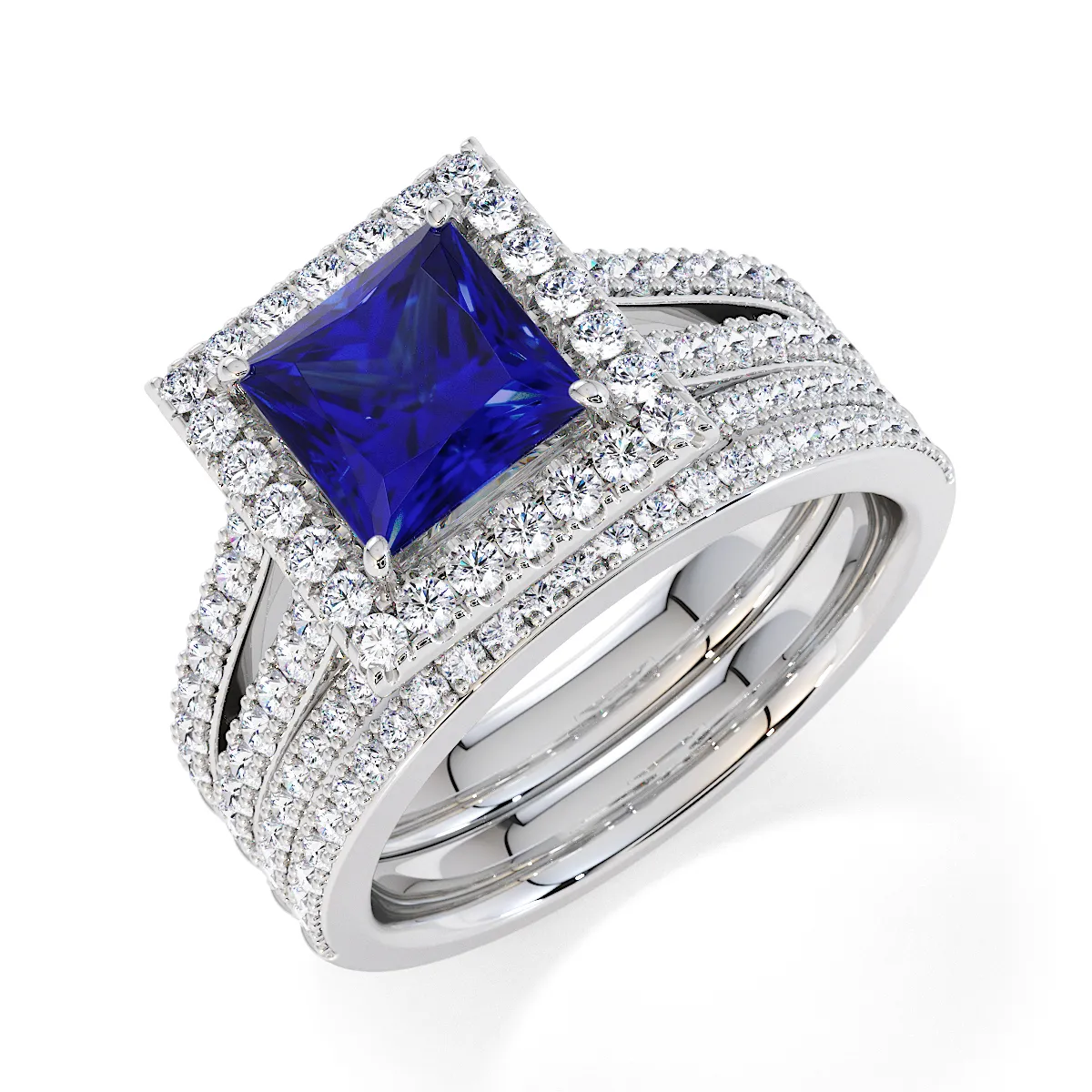
Why Blue Sapphire Rings Are at the Centre of the Coloured Stone Shift
The Durability Argument That Makes Sapphire the Practical Coloured Stone Choice
The coloured gemstone market is broad, as there are several gemstone options available, like the emerald, ruby, morganite, and aquamarine, and a range of more unusual stones are all growing in popularity. However, blue sapphire rings hold a unique position in the coloured gemstone market that no other coloured stone can replicate, primarily for practical reasons rather than aesthetic ones.
Just below the diamonds, the sapphires sit at nine on the Mohs hardness scale, followed by the emeralds, which typically come in at Mohs 7.5 to 8. Therefore, someone who genuinely wears their rings every day is at low risk when wearing a blue sapphire ring daily, unlike with other coloured stones.
This practical durability argument is one of the primary reasons sapphires have grown at 44 percent year-on-year, while the broader coloured gemstone market, impressive as its growth is, includes stones that require considerably more careful handling.
Summing Up
To sum up, the engagement ring market in the UK has undergone significant changes in the past two years. If you’re confused about gemstones and plan to buy jewellery soon, this article may help you. Please obtain a detailed analysis to ensure that your investment will last for at least a decade.
FAQs
1. Is a blue sapphire engagement ring a genuinely practical choice for daily wear in the UK?
Yes. More so than most alternative-coloured stones. Sapphires sit at nine on the Mohs hardness scale, one point below diamond and considerably above the other popular coloured choices. Sapphires do not require the careful handling that emeralds and opals need, and they are not vulnerable to the thermal shock risks that affect some other stones, making them a genuinely practical choice.
2. Are gemstone engagement rings significantly less expensive than diamond ones?
Not necessarily, and this is a common misconception worth addressing directly. Fine quality natural blue sapphires can command prices that rival or exceed equivalent quality diamonds. The price range for sapphires is expansive due to the significant variation in quality. A commercial quality blue sapphire in a standard setting is considerably less expensive than a diamond of comparable visual impact.
3. What should I look for in sapphire earrings in the UK to coordinate with a blue sapphire engagement ring?
The most important variable in choosing sapphire earrings in the UK is to wear alongside a blue sapphire engagement ring is colour consistency, specifically how closely the tone and depth of the earring stones match those of the ring stone. An exact match is not necessary or always achievable, but a significant mismatch between a very deep royal blue ring stone and very pale cornflower blue earring stones will be visible and will look like a coordination failure rather than a considered choice. View potential earring stones alongside the ring in the same lighting conditions before committing. Metal consistency between the ring and the earrings is the second most important variable.