The Complete Hot Tub Maintenance Checklist for Energy Efficiency
By Arun Sarna
4 Views
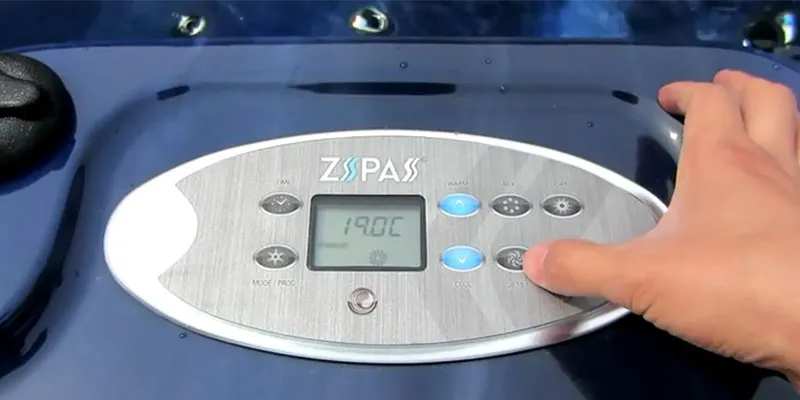
A hot tub provides the perfect way to relax at home, but keeping it warm, clean and ready to use can increase energy consumption if it is not maintained properly. Regular maintenance helps your hot tub operate efficiently, reduces unnecessary heating costs and extends the lifespan of its components. With a few simple checks, you can enjoy comfortable hydrotherapy while keeping running costs under control.
1. Check and Maintain Water Chemistry
Balanced water chemistry is essential for an efficient hot tub. Incorrect pH and sanitiser levels can cause scale buildup, corrosion and damage to the heating system.
Maintenance checklist:
-
Test pH, alkalinity and sanitiser levels regularly.
-
Adjust chemical levels according to the manufacturer's guidelines.
-
Clean the water to prevent deposits from accumulating on internal components.
-
Drain and refill the hot tub at recommended intervals.
Clean, balanced water helps protect the heater and circulation system, reducing the risk of costly repairs.
2. Clean the Hot Tub Filters
Dirty filters restrict water flow, forcing the circulation pump to work harder than necessary. This can increase electricity consumption and reduce overall performance.
Maintenance checklist:
-
Rinse filters weekly or as recommended.
-
Deep-clean them with a suitable filter cleaner periodically.
-
Inspect filters for damage and replace them when necessary.
-
Ensure filters are correctly installed after cleaning.
Clean filters support effective circulation, helping the heating system distribute warmth efficiently throughout the water.
3. Inspect the Hot Tub Cover
A well-fitted, insulated cover is one of the most effective ways to reduce heat loss. Heat escapes when the cover is damaged, waterlogged or poorly sealed, making the heater work harder to maintain the desired temperature.
Maintenance checklist:
-
Check the cover for cracks, tears and damaged stitching.
-
Inspect the seal around the edges.
-
Remove standing water and clean the cover as instructed.
-
Replace waterlogged or deteriorating covers when necessary.
-
Keep the cover securely closed whenever the hot tub is not in use.
A properly maintained cover helps retain heat and can significantly reduce unnecessary energy use.
4. Inspect the Heating and Circulation Systems
Your hot tub's heater and circulation pump play important roles in maintaining water temperature and quality. Poor circulation, unusual noises or inconsistent heating may indicate an underlying problem.
Maintenance checklist:
-
Check for leaks around accessible pipes and fittings.
-
Monitor heating performance and water temperature.
-
Listen for unusual pump noises.
-
Keep vents and equipment access areas clear.
-
Arrange professional servicing if you notice persistent faults.
For hot tubs fitted with Balboa control systems, review the manufacturer's instructions to ensure heating and filtration settings suit your usage pattern.
5. Optimise Heating and Filtration Schedules
Heating and filtration settings can influence energy consumption considerably. Instead of frequently raising and lowering the temperature, establish a schedule that suits how often you use your hot tub.
Maintenance checklist:
-
Set a comfortable temperature appropriate for your usage.
-
Use economy or sleep modes when suitable.
-
Schedule filtration according to water quality and manufacturer recommendations.
-
Avoid unnecessary temperature increases.
-
Consider local weather conditions when adjusting settings.
If you use your hot tub mainly in the evening, a consistent heating schedule may be more practical than reheating the water from a much lower temperature every day.
6. Prevent Heat Loss and Winter Damage
Cold weather can increase heating demands, making insulation and routine inspections especially important.
Check exposed pipes, cabinet insulation and seals for damage. Remove snow or debris from the cover carefully, and follow the manufacturer's winter-care instructions. Never switch off a hot tub during freezing conditions without following the correct winterisation procedure.
Final Thoughts
An energy-efficient hot tub starts with consistent maintenance. By cleaning filters, balancing water chemistry, inspecting insulation and optimising heating schedules, you can reduce avoidable energy waste while protecting your investment.
Maintaining an energy-efficient hot tub involves more than cleaning filters and checking insulation. Understanding your spa's heating settings can also help you manage running costs. Read Hot Tub Suppliers’ guide, Understanding Balboa Control Modes for Hot Tub Efficiency, to learn how Standard, Economy and Sleep modes affect heating schedules and temperature maintenance. The article also highlights the importance of effective insulation and heat retention, helping you make informed decisions about hot tub maintenance and energy efficiency.