The Business Benefits of Inclusive and Fair Real Estate Practices
By Mark Wilson
64 Views
Success in real estate is built on relationships, trust, professionalism, and service. Every interaction with a buyer, seller, landlord, or tenant contributes to a professional's reputation and future opportunities. While fair housing laws establish important standards, the benefits of treating people fairly extend far beyond legal compliance.
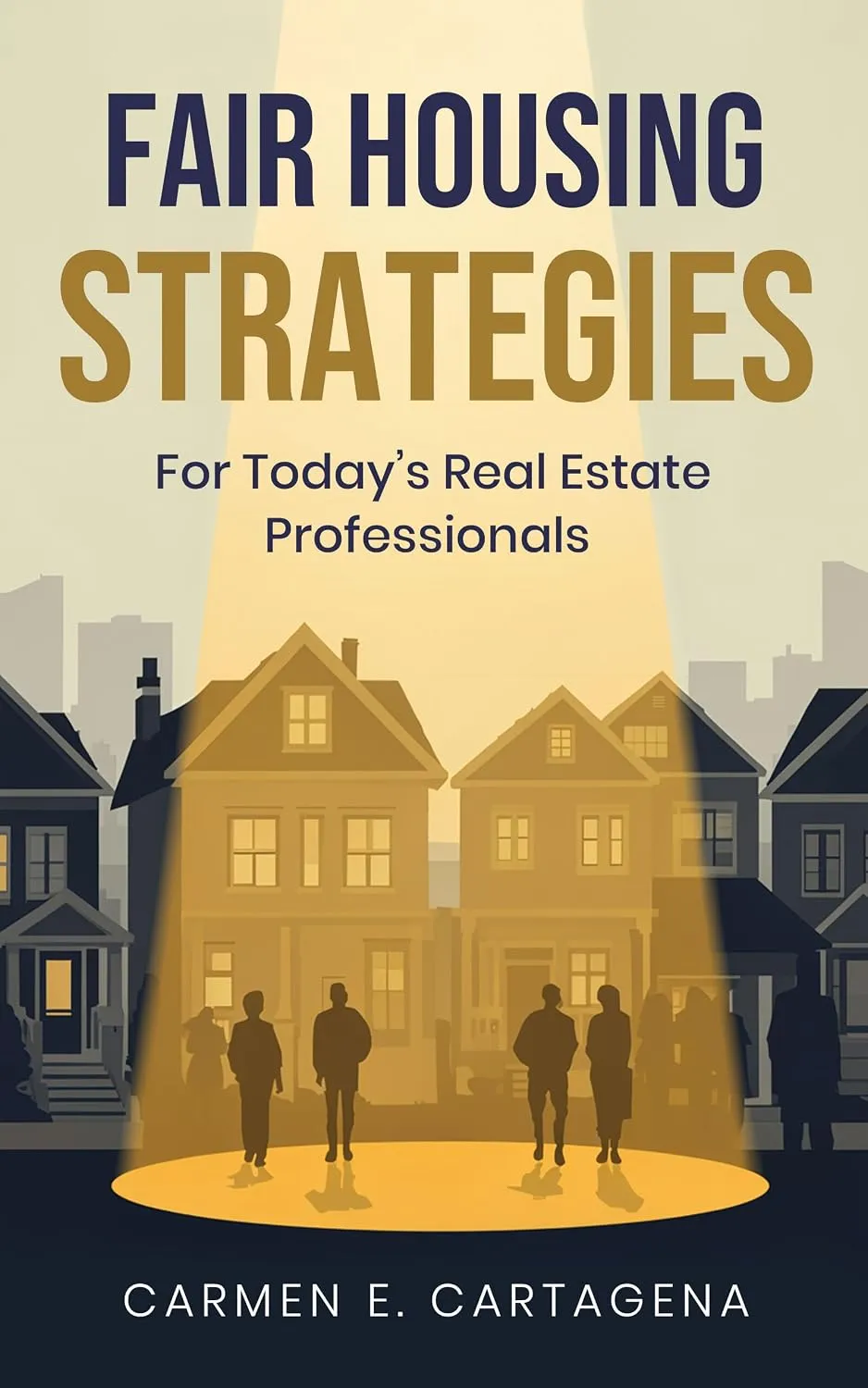
In Fair Housing Strategies for Today’s Real Estate Professionals, Carmen E. Cartagena explains that providing equal service and embracing diversity are not simply responsibilities they are opportunities for professional growth. Throughout the book, the author demonstrates how Inclusive Real Estate Practices help professionals build stronger client relationships, improve communication, strengthen credibility, and better serve diverse populations.
The message is clear: fairness and professionalism benefit everyone involved in the real estate process.
Understanding Inclusive Real Estate Practices
The book emphasizes that real estate professionals work with individuals from many different backgrounds, cultures, experiences, and communities.
Inclusive Real Estate Practices involve creating an environment where all clients and customers receive equal service, professional treatment, and access to housing opportunities.
These practices include:
- Providing equal service.
- Avoiding assumptions.
- Respecting diverse populations.
- Maintaining professionalism.
- Following fair housing principles.
The author explains that inclusiveness begins with awareness and a commitment to treating every person as an individual.
When professionals adopt this mindset, they create stronger and more productive relationships with the people they serve.
Building Stronger Client Relationships
One of the most important benefits discussed throughout the book is the ability to build meaningful client relationships.
People want to work with professionals who listen, communicate effectively, and treat them with respect. When clients feel valued, they are often more comfortable sharing information, asking questions, and participating fully in the transaction process.
The author explains that Inclusive Real Estate Practices encourage professionals to focus on understanding individual needs rather than relying on assumptions.
This approach strengthens communication and helps create a more positive experience for clients and customers.
Strong relationships often begin with respect, understanding, and equal treatment.
Expanding Opportunities Through Diverse Populations
The book discusses the importance of working effectively with diverse populations.
As communities continue to evolve, real estate professionals increasingly interact with people from a wide variety of cultural backgrounds and life experiences. Professionals who understand and appreciate these differences are often better prepared to serve a broader range of clients.
The author highlights cultural awareness as an important component of professional development.
Inclusive Real Estate Practices help professionals connect with more people by encouraging open communication, respect, and understanding.
The ability to work effectively with diverse populations can strengthen relationships and create additional opportunities for growth.
Strengthening Professional Reputation
Professional reputation is one of the most valuable assets in real estate.
The book repeatedly emphasizes that clients trust professionals who demonstrate fairness, consistency, and integrity. When agents provide equal service and remain committed to fair housing principles, they establish themselves as reliable professionals.
The author explains that reputation develops over time through consistent actions and decisions.
Professionals who practice Inclusive Real Estate Practices often earn the trust of clients, customers, colleagues, and communities because their actions reflect professionalism and fairness.
Trust is difficult to build but easy to lose, which makes consistency especially important.
Improving Communication and Understanding
Throughout the book, communication is presented as a critical part of successful client relationships.
Misunderstandings often occur when assumptions replace conversation. The author encourages professionals to listen carefully, remain open-minded, and seek understanding before making conclusions.
Inclusive Real Estate Practices support better communication by encouraging professionals to:
- Listen actively.
- Avoid assumptions.
- Respect different perspectives.
- Ask thoughtful questions.
- Focus on individual needs.
These habits help create more productive interactions and improve the overall client experience.
Supporting Fair Housing Principles
The author repeatedly connects professionalism with fair housing responsibilities.
Inclusive Real Estate Practices help professionals remain focused on equal service, housing opportunities, and fair treatment. By following consistent procedures and avoiding unequal treatment, agents strengthen their ability to comply with fair housing laws.
The book explains that fair housing compliance should not be viewed as an obstacle to success. Instead, it should be viewed as a foundation for professional practice.
When fairness becomes part of everyday business activities, professionals are better equipped to serve clients responsibly and effectively.
Long-Term Business Benefits
A recurring theme throughout the manuscript is long-term thinking.
The author encourages professionals to focus on building careers rather than simply completing transactions. Strong relationships, positive experiences, and professional credibility often create lasting benefits.
Some of the long-term advantages associated with Inclusive Real Estate Practices include:
- Stronger client relationships.
- Increased trust.
- Better communication.
- Professional credibility.
- Continued growth opportunities.
These benefits support both personal and professional success.
Creating Positive Experiences for Everyone
The book emphasizes that every client deserves a positive experience.
When individuals feel respected and valued, they are more likely to trust the process and the professional assisting them. Equal service creates consistency, while inclusiveness helps ensure that everyone feels welcome and supported.
The author believes that these experiences strengthen both individual transactions and the broader real estate profession.
Conclusion
Inclusive Real Estate Practices offer important benefits for both clients and professionals. As Carmen E. Cartagena explains throughout Fair Housing Strategies for Today’s Real Estate Professionals, fairness, respect, and equal service create stronger relationships, improve communication, and strengthen professional credibility.
By embracing diverse populations, maintaining professionalism, and remaining committed to fair housing principles, real estate professionals can create positive experiences while building successful and respected careers. Inclusive Real Estate Practices are not only good for clients they are also an important foundation for long-term professional growth and success.
Related Reading
Why Lifestyle & Culture is Transforming the Global Industry Landscape
Welcome to our in-depth exploration of Lifestyle & Culture. In an era define...
Expert Insights: Navigating the Complex World of Lifestyle & Culture
Welcome to our in-depth exploration of Lifestyle & Culture. In an era define...