The Beauty of Indian Weaves Through Color, Culture, and Craftsmanship
By Aparna
15 Views
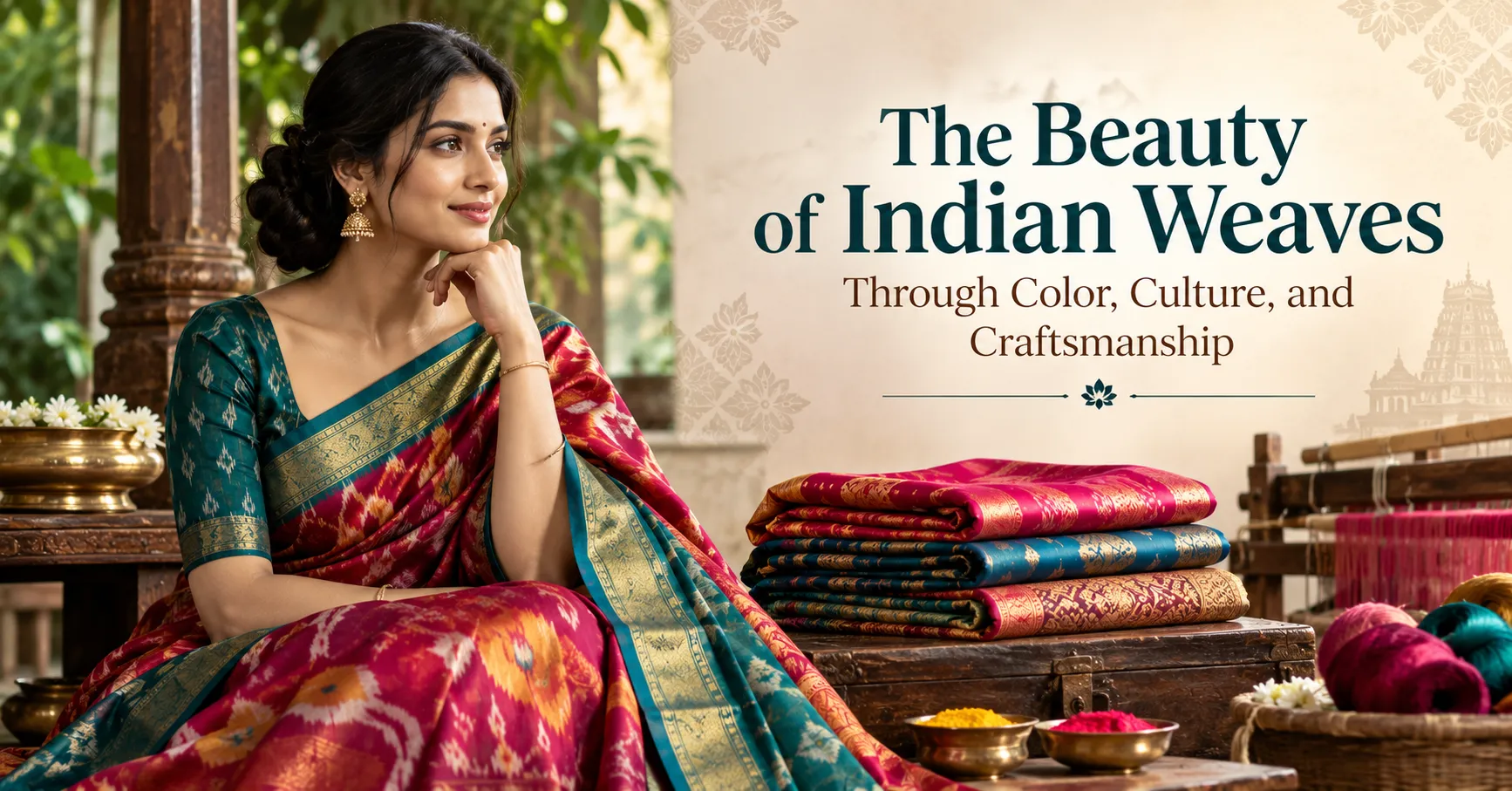
Indian textiles are known for their bright colors, detailed patterns, and rich cultural history. For generations, skilled weavers have created beautiful fabrics using methods passed down through their families. Each weave reflects the traditions, creativity, and values of the region where it is made. Ikkat Silk Sarees are a wonderful example of this art, with their striking patterns and careful use of color. These textiles show how traditional skills can create designs that remain meaningful across generations.
Indian weaving is more than a way to make fabric. It is an art that connects people with their roots. From simple geometric shapes to detailed traditional designs, every pattern tells a story. The beauty of these textiles comes from the way color, culture, and craftsmanship come together.
The Rich History of Indian Weaving
India has a long history of weaving, with different regions developing their own styles and techniques. Local customs, nature, festivals, and daily life have influenced the patterns used by artisans. Over time, these designs became an important part of each region's identity.
In many communities, weaving skills are taught from one generation to the next. Experienced artisans guide younger family members and help them understand each step of the process. This shared knowledge keeps traditional methods alive.
Handwoven fabrics also play an important role in celebrations. Families often choose traditional textiles for weddings, religious events, and festivals. These fabrics are valued not only for their appearance but also for the memories and cultural meaning they carry.
How Colors Bring Indian Fabrics to Life
Color is one of the first things people notice about Indian textiles. Bright red, deep blue, green, yellow, and purple are often used to create eye-catching designs. Some fabrics feature strong contrasts, while others use softer shades for a calm and balanced look.
Colors can also carry cultural meaning. Red is often linked with weddings and celebration, while green may represent growth and freshness. Gold-colored details can add a festive touch to a design.
Choosing and combining colors takes skill. Weavers must think about how each shade works with the others and how the finished fabric will look when worn. The right color combination can make even a simple pattern stand out.
The Craftsmanship Behind Traditional Weaves
Creating a handwoven textile requires patience, focus, and practice. Before weaving begins, artisans prepare the threads and arrange them carefully on a loom. Each thread must be placed correctly to create the desired pattern.
Different weaving methods produce different results. Some techniques create detailed motifs, while others focus on bold shapes and repeated patterns. Small changes in the arrangement of threads can affect the final design.
Ikkat weaving is known for its special dyeing process. Threads are tied and dyed in selected areas before they are woven into fabric. When the threads come together, they form patterns with a distinctive, slightly blurred appearance. This process requires careful planning because the design must be created through the dyed threads themselves.
The time and effort involved make traditional textiles valuable examples of human skill and creativity.
Regional Weaves That Tell Different Stories
Every part of India has its own textile traditions. These styles reflect local history, materials, artistic ideas, and ways of life.
Ikkat is known for its colorful patterns and the use of resist-dyed threads. Kanjeevaram silk weaving from Tamil Nadu is admired for its rich silk fabric, decorative borders, and traditional motifs. Other weaving traditions across India use floral designs, geometric shapes, fine embroidery, or detailed brocade work.
Although these styles differ, they share a strong connection to craftsmanship. Each one shows how artisans turn simple threads into fabrics with character and meaning.
These regional differences also give people many choices when selecting clothing for special occasions. Some designs suit grand celebrations, while others work well for smaller family gatherings.
Choosing Traditional Weaves for Today's Lifestyle
Traditional fabrics continue to find a place in modern wardrobes. People wear them for weddings, festivals, cultural programs, and family events. Some also pair traditional textiles with simple accessories to create a balanced look.
When choosing a saree, buyers should consider the fabric, color, pattern, comfort, and occasion. Learning about the weaving method can also help them understand the work behind the design.
Online shopping has made it easier to explore textiles from different parts of India. Through Kanjeevaram Silk Sarees Online Shopping, buyers can compare colors, borders, patterns, and product details from home. It is important to check fabric descriptions, seller information, care instructions, and return policies before making a purchase.
Preserving India's Weaving Heritage
Traditional weaving remains an important part of India's cultural identity. Supporting skilled artisans helps preserve their knowledge and encourages younger generations to learn these crafts. Choosing well-made textiles and understanding their origins can also help buyers value the effort behind each piece.
The beauty of Indian weaves lies in the harmony of color, culture, and craftsmanship. Every pattern reflects an idea, every thread adds to the design, and every finished fabric carries the skill of its maker. By appreciating these traditions, people can help keep India's rich textile heritage alive while allowing it to inspire future generations.