The Baltic States Explained: A Guide for Curious Travelers
By Awayzing
15 Views
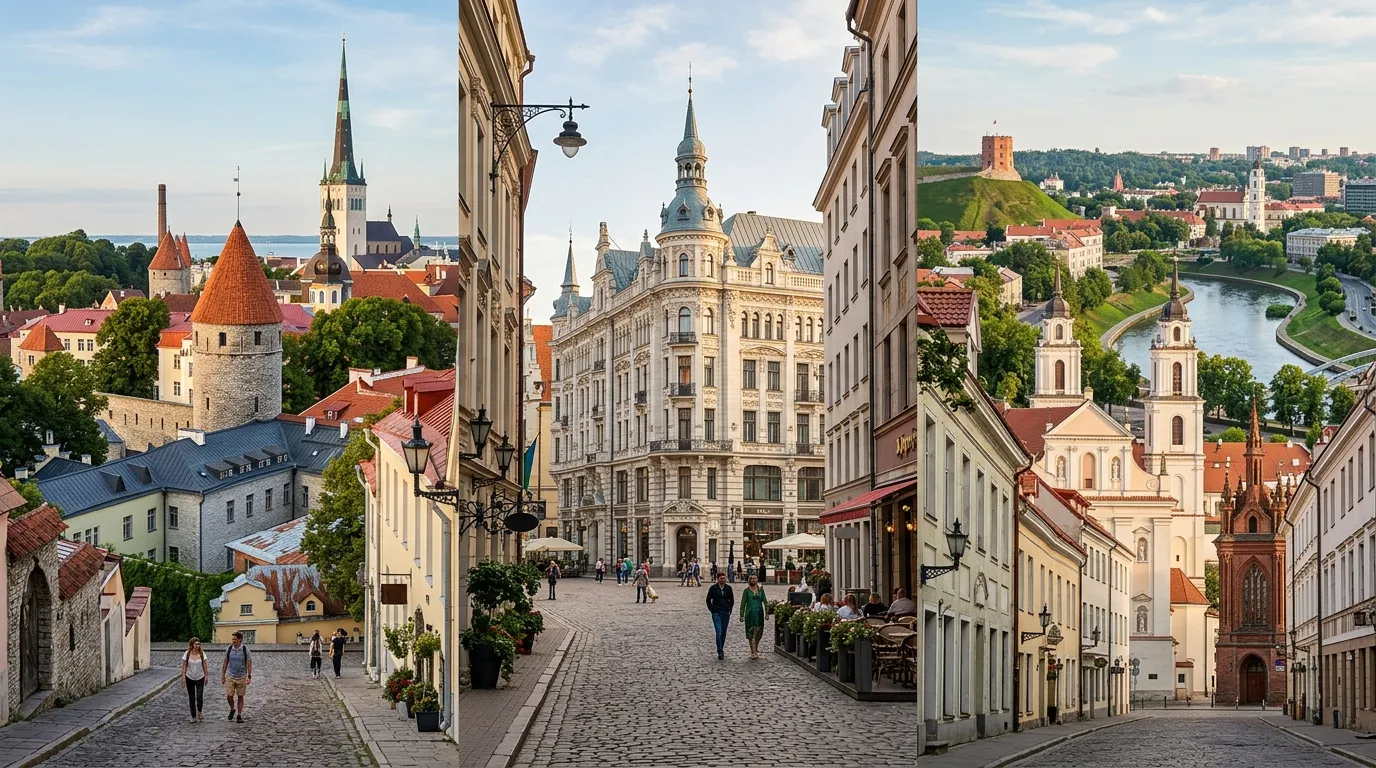
The Baltic States may be small in size, but they offer an impressive variety of landscapes, cultures, architecture, and experiences. Located along the eastern shores of the Baltic Sea, Estonia, Latvia, and Lithuania form a fascinating part of Northern Europe. Each country has its own language, traditions, cuisine, and character, yet their shared history and geography make them a natural trio for curious travelers.
For visitors planning their first travel in the Baltics, the region offers an appealing combination of historic cities, peaceful coastlines, forests, cultural attractions, and modern Nordic-influenced lifestyles. Whether you are interested in medieval architecture, local food, nature, or lesser-known European destinations, the Baltic region has plenty to discover.
Understanding the Baltic States
The term Baltic States refers specifically to Estonia, Latvia, and Lithuania. Although the three countries are often discussed together, they are distinct nations with different cultural identities and languages.
Estonia is the northernmost of the three and has strong cultural and historical connections with Finland and the wider Nordic region. Its capital, Tallinn, is known for its exceptionally preserved medieval Old Town, while the country's forests, islands, and national parks provide opportunities to experience its natural side.
Latvia lies between Estonia and Lithuania. Riga, its capital, is famous for its Art Nouveau architecture, historic center, and lively cultural scene. Outside the city, Latvia offers long sandy beaches, forests, lakes, and charming smaller towns.
Lithuania is the southernmost Baltic country and has a particularly rich historical heritage. Vilnius, its capital, combines Baroque architecture with a distinctive Old Town, while destinations such as Kaunas, Trakai, and the Curonian Spit offer different perspectives on the country's history and landscapes.
Understanding these differences is useful when planning a trip because visiting all three can provide a much richer picture of the region.
Explore the Historic Capitals
The capitals are an excellent introduction to the region and are often the starting point for travel in the Baltics.
Tallinn's Old Town is one of the region's major attractions. Its cobbled streets, medieval walls, historic buildings, and atmospheric squares create an excellent setting for walking. Beyond the historic center, visitors can discover modern neighborhoods, creative districts, cafés, museums, and coastal areas.
Riga has a different architectural personality. The city is particularly renowned for its Art Nouveau buildings, many of which can be found around the central districts. Riga's Old Town adds medieval streets, historic churches, and atmospheric public spaces to the experience.
Vilnius offers another distinct character. Its historic center is filled with Baroque churches, courtyards, narrow streets, and colorful buildings. The city also has a strong contemporary cultural identity, with galleries, restaurants, independent shops, and creative spaces.
A multi-city itinerary allows travelers to compare the three capitals while appreciating what makes each one different.
Discover Nature Beyond the Cities
One of the most rewarding aspects of the Baltic countries guide experience is discovering how much nature exists beyond the urban centers.
Estonia is known for its forests, wetlands, islands, and extensive coastline. Lahemaa National Park is a popular destination for travelers interested in walking trails, coastal landscapes, and traditional rural scenery. Estonia's islands also provide a slower-paced alternative to the capital.
Latvia offers a similarly diverse natural environment. Gauja National Park is particularly appealing for hiking, river landscapes, forests, and historic sites. The country's Baltic coastline includes long stretches of sandy beach where travelers can enjoy a quieter atmosphere away from major European resort destinations.
Lithuania's Curonian Spit is one of the region's most distinctive landscapes. This narrow peninsula combines forests, dunes, beaches, and small settlements along the Baltic Sea. It provides an excellent opportunity to combine outdoor exploration with cultural discovery.
For travelers who enjoy nature, the Baltic region can therefore offer much more than city sightseeing.
Experience Baltic Food and Local Culture
Food is another excellent way to understand the Baltic States. Traditional cuisine reflects the region's climate, agricultural traditions, and historical influences.
In Estonia, travelers may encounter dishes featuring rye bread, potatoes, fish, dairy products, and seasonal ingredients. Modern Estonian restaurants often reinterpret traditional flavors using contemporary techniques.
Latvian cuisine similarly makes use of grains, potatoes, fish, meat, berries, and locally sourced ingredients. Riga has developed a diverse restaurant scene where traditional dishes sit alongside modern European cuisine.
Lithuanian food is particularly associated with hearty dishes such as potato-based specialties, soups, rye bread, and baked goods. Trying local food in markets, cafés, and traditional restaurants can add an important cultural dimension to a Baltic itinerary.
Beyond food, travelers should make time for local festivals, museums, crafts, music, and neighborhood markets. These experiences can reveal aspects of everyday life that are easy to miss when a trip focuses exclusively on famous landmarks.
Plan a Comfortable Baltic Itinerary
Planning a Baltic journey is relatively straightforward, but the ideal itinerary depends on how much time you have.
A short trip might focus on one capital and its surrounding region. With a week or more, travelers can combine Tallinn, Riga, and Vilnius while adding selected natural or cultural attractions along the route.
Transportation options include trains, buses, rental cars, and regional flights. Road travel can be particularly useful when visiting national parks, coastal areas, and smaller towns that are less convenient to reach by public transportation.
Season also matters. Summer generally offers long daylight hours and pleasant conditions for walking, sightseeing, and outdoor activities. Spring and autumn can provide cooler weather and a quieter atmosphere. Winter transforms the cities into a different kind of destination, with seasonal events, atmospheric streets, and opportunities for winter activities.
Instead of trying to see everything, build your itinerary around a few meaningful interests. This creates more time to explore rather than constantly moving from one destination to another.
Make Your Baltic Journey More Personal
The Baltic region works particularly well for travelers who want a combination of culture, history, nature, and authentic local experiences. Because Estonia, Latvia, and Lithuania are relatively close together, it is possible to create an itinerary that connects several different experiences without spending excessive time in transit.
A personalized approach can make the journey even more rewarding. For example, a history enthusiast might prioritize medieval towns, museums, castles, and heritage sites. A nature lover could spend more time around national parks, forests, islands, and the coast. Food-focused travelers might build their route around markets, local restaurants, and regional specialties.
For visitors considering travel in the Baltics, the biggest attraction may be the opportunity to experience three distinct countries within one relatively compact region. Each destination brings its own story, landscape, and cultural identity.
The Baltic States are an excellent choice for curious travelers looking beyond Europe's most familiar destinations. From Tallinn's medieval streets and Riga's architectural heritage to Vilnius's historic charm and the region's forests and coastlines, the Baltics offer a rewarding mixture of discovery and variety.
With thoughtful planning, travelers can move beyond the capitals and experience the landscapes, traditions, cuisine, and communities that give Estonia, Latvia, and Lithuania their individual character. Rather than simply ticking three countries off a list, take the time to understand what makes each one unique—and you may find that the Baltics become one of Europe's most memorable travel discoveries.