Textured Nitrile Gloves for Precision Handling and Heavy-Duty Applications
By pvcboard1
138 Views
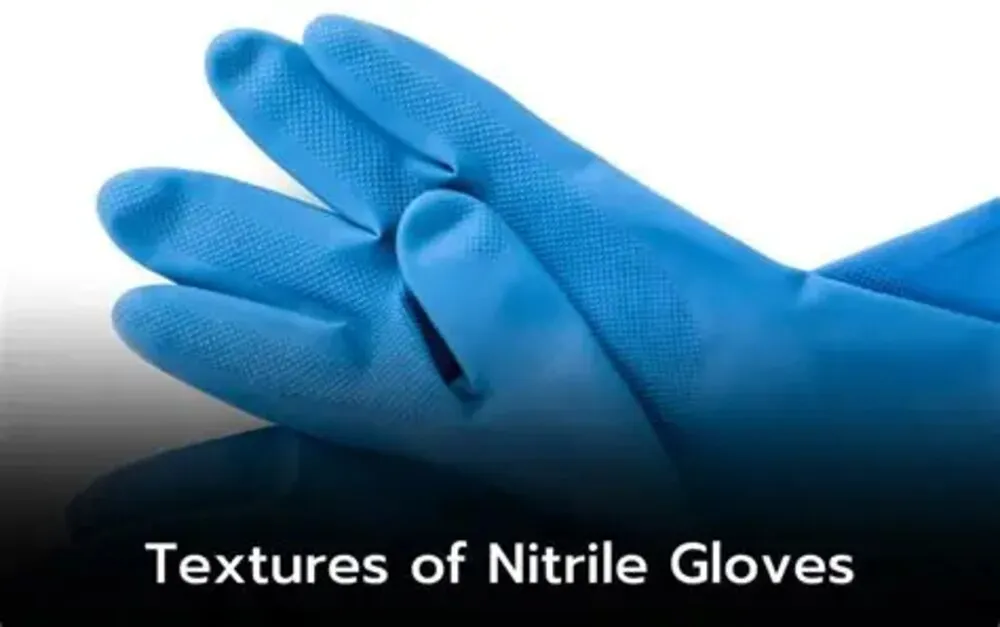
In workplaces where safety, hygiene, and control matter, Nitrile Gloves have become a practical choice across industries. From automotive workshops and laboratories to food processing plants and medical settings, professionals need gloves that do more than create a simple barrier. They need durability, comfort, grip, and tactile sensitivity, often all at once.
Textured nitrile gloves are designed to meet these demands. Unlike standard disposable gloves with smooth surfaces, textured nitrile options improve grip and handling, especially when working with wet, oily, or slippery materials. This added control makes a noticeable difference in both precision tasks and physically demanding environments.
As industries continue to prioritize worker protection and efficiency, nitrile gloves are increasingly preferred over latex and vinyl alternatives. Their combination of chemical resistance, puncture protection, and user comfort makes them a dependable solution for both light-duty and heavy-duty applications.
What Makes Textured Nitrile Gloves Different?
The main distinction lies in surface design. Textured nitrile gloves feature raised patterns, usually on the fingertips, palms, or throughout the full glove surface. These patterns create additional friction, helping users maintain a secure hold on tools, equipment, and delicate materials.
This texture is especially useful in environments where moisture or contaminants reduce grip. Mechanics handling greasy parts, healthcare professionals managing instruments, and warehouse workers lifting packaged goods all benefit from improved traction.
Beyond texture, nitrile as a material offers several technical advantages:
- Strong resistance to punctures and tears
- Protection against oils, fuels, and many chemicals
- Latex-free composition to reduce allergy risks
- Flexible fit that supports dexterity and comfort
These qualities make textured nitrile gloves suitable for a wider range of professional tasks than many disposable glove alternatives.
Precision Handling: Where Grip and Sensitivity Matter
Not all work requires brute strength. In many industries, precision is equally important.
Technicians assembling small components, tattoo artists, laboratory workers, and healthcare providers all rely on fine motor control. Gloves that are too thick can reduce sensitivity, while gloves that lack grip may compromise accuracy.
Textured nitrile gloves solve this challenge by balancing tactile feedback with dependable hand protection. A properly designed glove allows the user to feel and manipulate small objects while maintaining a secure grip.
For precision work, professionals often look for:
Fingertip Texturing
This localized grip enhancement improves handling without adding unnecessary bulk.
Snug Ergonomic Fit
A glove that conforms closely to the hand reduces fatigue and improves movement.
Moderate Thickness
Thin-to-medium nitrile gloves typically offer the best compromise between dexterity and protection.
This combination makes nitrile gloves particularly useful in electronics repair, diagnostics, dental procedures, and laboratory testing.
Heavy-Duty Applications: Built for Tough Conditions
While nitrile gloves are commonly associated with medical or light industrial use, textured heavy-duty versions are increasingly used in demanding environments.
Industries such as automotive maintenance, industrial cleaning, manufacturing, and construction often expose workers to harsh materials, abrasive surfaces, and chemicals. In these settings, glove failure can interrupt work and increase risk.
Heavy-duty textured nitrile gloves are engineered with thicker material and enhanced tear resistance, making them better suited for challenging conditions.
Common heavy-duty uses include:
- Automotive repair and oil changes
- Equipment maintenance
- Janitorial and sanitation services
- Painting and chemical handling
- Plumbing and industrial inspection
In these environments, the textured surface becomes even more valuable. Workers handling wet hoses, lubricated tools, or chemical containers need reliable grip to maintain safety and efficiency.
Comfort Matters for Extended Wear
Performance alone is not enough. Gloves worn for hours at a time must also be comfortable.
Poorly fitted gloves can cause hand fatigue, sweating, and restricted movement, all of which reduce productivity. High-quality nitrile gloves are designed with flexibility and ergonomics in mind, allowing users to wear them for extended periods with minimal discomfort.
Features that improve comfort include:
Soft, Flexible Material
Modern nitrile formulations are softer and more elastic than earlier generations.
Beaded Cuffs
These improve glove strength at the wrist while making donning easier.
Powder-Free Construction
Powder-free nitrile gloves reduce residue contamination and skin irritation.
For professionals who change gloves frequently throughout the day, these design improvements can significantly enhance workflow.
Choosing the Right Textured Nitrile Gloves
Not all nitrile gloves are created equally. Selecting the right glove depends on the application.
When comparing products, consider the following:
Thickness
Thinner gloves offer greater dexterity, while thicker gloves provide stronger protection.
Texture Coverage
Some gloves feature textured fingertips only, while others offer full palm and finger texturing.
Size Range
Proper sizing is critical for comfort, safety, and precision.
Certification Standards
Look for gloves that meet relevant industry standards for medical, food handling, or chemical resistance.
Organizations should evaluate glove performance based on real workplace needs rather than price alone. A slightly higher-quality glove often reduces tearing, glove changes, and downtime.
Why Businesses Continue to Choose Nitrile Gloves
The growing popularity of nitrile gloves is not simply a trend. Businesses increasingly recognize their practical value.
Compared with latex gloves, nitrile offers stronger chemical resistance and eliminates natural rubber protein allergens. Compared with vinyl, nitrile generally provides better fit, durability, and puncture resistance.
For organizations focused on worker safety, contamination control, and operational efficiency, textured nitrile gloves deliver measurable benefits.
They help teams:
- Maintain grip in challenging conditions
- Reduce glove failure rates
- Improve handling precision
- Support compliance with hygiene and safety standards
These advantages explain why nitrile gloves remain a preferred solution across both specialized and general-use industries.
Final Thoughts
Textured Nitrile Gloves offer more than disposable hand protection. They combine grip, durability, comfort, and versatility in a way that supports modern professional demands.
Whether the task involves handling delicate instruments or working in harsh industrial conditions, the right glove can improve both safety and performance. Textured nitrile gloves provide the control needed for precision handling while delivering the resilience required for heavy-duty work.
Mitrasaruta: As industries continue to demand higher standards in workplace protection, nitrile gloves remain a smart and dependable investment for professionals and businesses alike.